Interest in electric vehicles (EVs) is continuing to decline globally, with only 14% of consumers planning to purchase an EV in 2025, a steep drop from 34% in 2024, according to EY’s 2025 Mobility Consumer Index (MCI). This decline comes as consumers increasingly express concerns over key issues like range anxiety, charging infrastructure, and high battery replacement costs. As the market evolves, there is a noticeable shift toward more diversified vehicle powertrain solutions rather than a purely electric future.
Range Anxiety and Charging Issues Fuel Consumer Hesitation
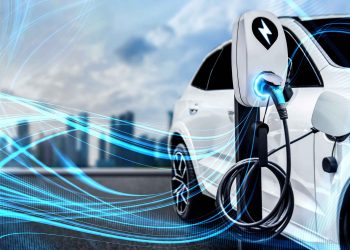
Electric vehicle decline,One of the primary barriers to EV adoption is “range anxiety,” with 29% of consumers citing this as a top concern. Coupled with this, 28% are worried about the availability of charging stations, which remains a critical issue for potential buyers. As electric car models become more common, consumers are less confident in the ability to charge their vehicles conveniently and efficiently.
Additionally, 28% of respondents fear the high costs associated with battery replacement, which continues to be a significant hurdle for first-time EV buyers. This shift in consumer sentiment indicates that while interest in EVs has cooled, many potential buyers are still considering alternatives like hybrid-electric vehicles.
The Move Toward Diversified Powertrains
According to Constantin M. Gall, EY’s Global Aerospace, Defense, and Mobility Leader, the long-term trend is shifting toward a more diversified approach to vehicle powertrains. Instead of focusing solely on EVs, consumers are now exploring hybrid options and other alternative fuels to meet their mobility needs. This broader acceptance of various powertrains reflects a more pragmatic approach to automotive sustainability.
Why Consumers Are Reconsidering EVs
Electric vehicle decline,While a significant number of consumers are still committed to purchasing electric vehicles, a large percentage are rethinking their decision. Geopolitical issues and changes in global policies have contributed to this uncertainty, with 36% of potential buyers expressing concerns about external factors impacting their decision. This highlights a volatile market where global events can sway consumer preferences and purchasing intent.
Market Trends and the Future of Electric Vehicles
Despite these challenges, the overall global EV market continues to grow. Approximately 2.6 million battery electric vehicles are expected to be sold in Europe in 2025, reflecting a 30% increase from 2024. However, as consumers become more cautious, automakers will need to address these concerns through improved infrastructure, better battery life, and lower costs.
The future of electric vehicles in the market remains uncertain, as consumer concerns continue to mount. While the shift toward EVs is undeniable, the road to mass adoption may require addressing key issues such as range anxiety, charging infrastructure, and the overall cost of ownership. As consumers move towards more diversified powertrain solutions, automakers will need to innovate and adapt to these changing demands to stay competitive in an increasingly complex marketplace.