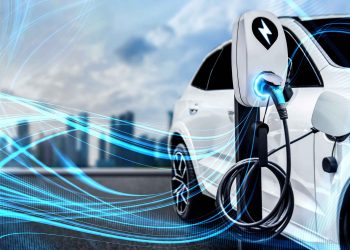
A significant legal victory for 20 Democratic-led states and the District of Columbia was delivered last week when U.S. District Judge Tana Lin ruled that the Trump administration unlawfully suspended the National Electric Vehicle Infrastructure (NEVI) Formula Program. The ruling came on January 23, 2026, when Judge Lin sided with the states that had challenged the cessation of the program, which provides vital funding for the rollout of electric vehicle (EV) charging infrastructure.
The NEVI Program and Its Importance
The NEVI Formula Program, established in 2021 under the Biden administration as part of the Infrastructure Investment and Jobs Act, aimed to support the development and operation of EV charging networks across the United States. However, upon taking office in January 2025, the Trump administration froze the funds allocated to this program. This decision, which halted crucial infrastructure projects, was met with opposition from states that had already begun to implement their plans for EV charging expansion.
Judge Lin’s Ruling and Its Impact
Judge Lin’s ruling highlighted that the Trump administration’s actions violated established administrative law. According to Lin, the Department of Transportation and the Federal Highway Administration abruptly halted the program without following due process, leaving states in the lurch. “Defendants… yanked the NEVI Formula Program’s cord out of the outlet,” she stated, noting that the sudden cessation of funding had no legal basis.
This decision permanently blocks the Transportation Department from rescinding the funds or canceling the approved plans for the states. This marks a decisive end to the Trump administration’s efforts to dismantle the NEVI program.
The Broader Implications for EV Infrastructure
While the suspension of NEVI funding was temporarily reversed in June 2025 through a partial injunction, this ruling represents a final victory, ensuring that the program will continue to support EV infrastructure development. The NEVI program has been a critical component of the Biden administration’s efforts to promote electric vehicles and transition to cleaner transportation.
Despite the ruling, potential challenges remain, as the legal decision does not completely rule out the possibility of future obstacles related to the program’s implementation.
This ruling is a pivotal moment in the U.S. transition to electric vehicles, reinforcing the commitment to expanding EV infrastructure nationwide. For further updates, stay tuned to EV Infrastructure & Energy News.