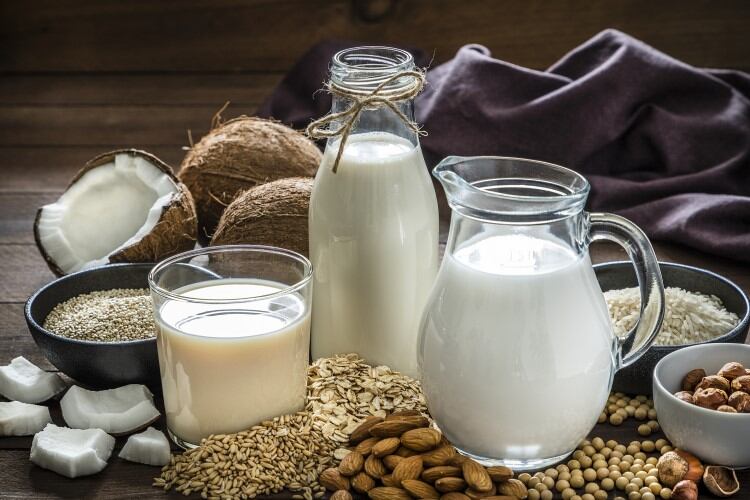
Fermented plant milk is gaining attention after new research revealed its potential to enhance anti-inflammatory and heart health benefits. Scientists studying oat and soy-based dairy alternatives found that fermentation significantly alters their nutritional profile, making them more biologically active.
This growing interest reflects a broader shift toward plant-based diets, which are already linked to reduced risks of chronic diseases. The latest findings suggest that fermentation could further improve these benefits by modifying key compounds within these beverages.
What makes fermented plant milk beneficial?
Fermented plant milk stands out because of its impact on bioactive compounds. During fermentation, beneficial bacteria transform the structure of lipids and other molecules, improving their availability in the body.
These changes enhance the drink’s ability to combat inflammation and oxidative stress. Both of these processes are associated with conditions such as heart disease, diabetes, and certain cancers.
Oat and soy beverages, in particular, contain important nutrients like phenolics, carotenoids, and healthy fats. Fermentation increases the effectiveness of these components, making them more potent in supporting overall health.
How does fermentation improve plant-based drinks?
Fermented plant milk undergoes chemical changes that increase its health potential. The process boosts the concentration of certain antioxidants and improves the balance of fatty acids linked to anti-inflammatory effects.
For example, fermentation helps shift the ratio of fatty acids toward a more beneficial profile. This adjustment supports cardiovascular health and reduces the likelihood of clot formation in blood vessels.
Additionally, fermented products show improved ability to prevent platelet aggregation, which plays a role in blood clotting. These properties suggest a protective effect against heart-related conditions.
What role do nutrients play in fermented plant milk?
Fermented plant milk contains a mix of nutrients that work together to support health. Phenolic compounds help neutralize harmful free radicals, while carotenoids contribute to antioxidant activity.
Polar lipids also play a crucial role by stabilizing cell membranes and supporting metabolic functions. When combined, these compounds create a synergistic effect that enhances the drink’s overall impact.
The study found that these nutrients become more active after fermentation, particularly in yogurt-style products made from soy and oats. This highlights the importance of processing methods in determining nutritional value.
Are there limitations to fermented plant milk research?
While fermented milk shows promising results, researchers caution that current findings are based on laboratory studies. More research is needed to confirm how these effects translate to human health.
Future studies will likely focus on clinical trials to better understand the long-term benefits. These investigations will help determine how fermented plant milk can be incorporated into dietary recommendations.
What does this mean for consumers?
Fermented milk offers a promising option for those seeking healthier alternatives to traditional dairy. Its enhanced nutritional profile makes it a strong candidate for supporting heart health and reducing inflammation.
As interest in plant-based nutrition continues to grow, fermentation may play a key role in improving food quality. For consumers, this means more options that combine taste, sustainability, and health benefits.
Ultimately, fermented plant milk represents an evolving area of nutrition science, with the potential to reshape how people approach healthy eating.