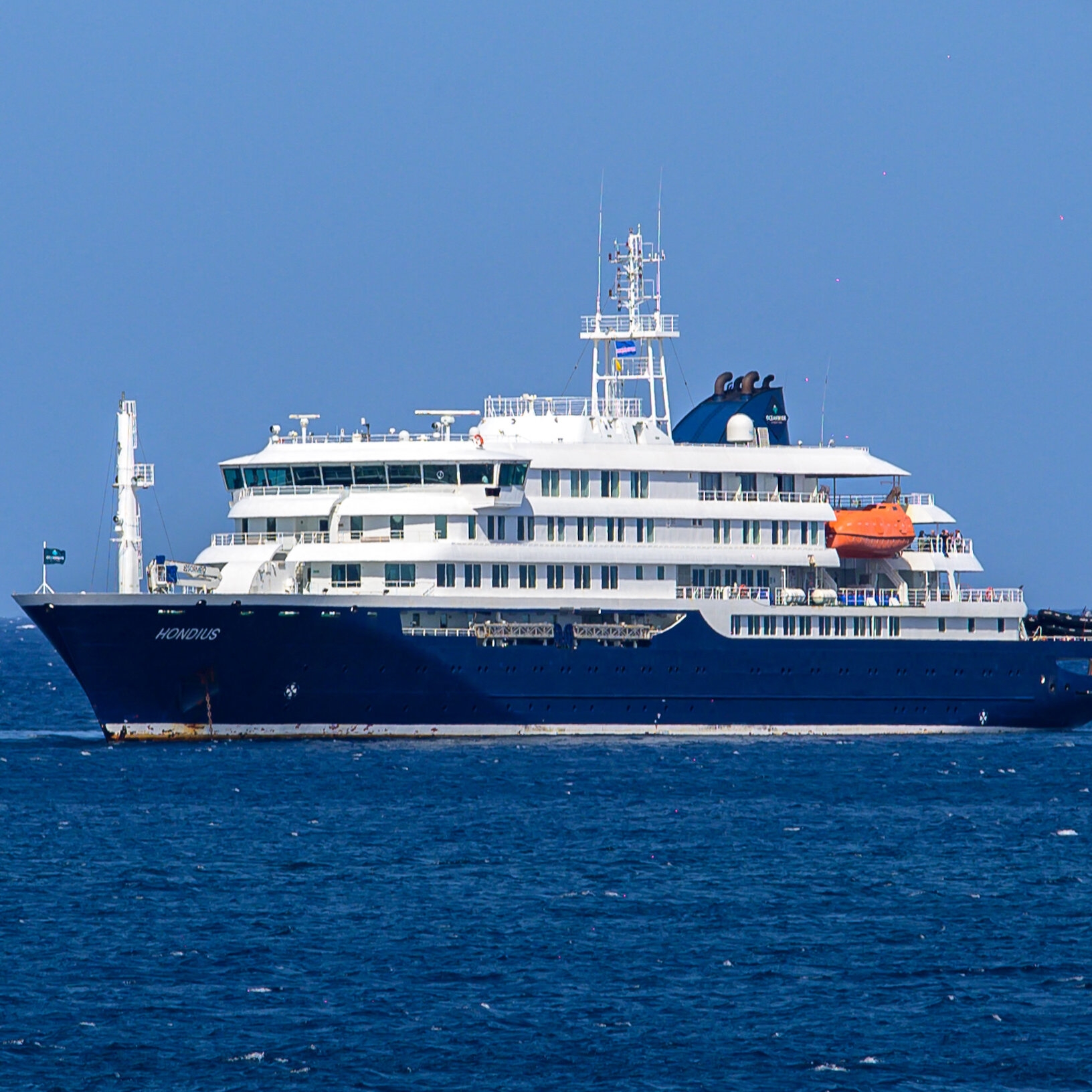
Health authorities are intensifying monitoring efforts after new hantavirus cases linked to the MV Hondius cruise ship were confirmed in the United States and France.
The growing hantavirus cruise ship outbreak has now resulted in seven confirmed infections and two suspected cases connected to the vessel, according to the World Health Organization.
Officials say the outbreak remains limited, but international health agencies continue closely tracking passengers and crew who travelled aboard the ship.
Hantavirus cruise ship outbreak spreads internationally
An American passenger and a French national tested positive after returning to their home countries following evacuation from the MV Hondius.
US health authorities also reported that another American passenger developed mild symptoms after repatriation.
French Health Minister Stéphanie Rist said the infected French woman is isolating in Paris while health officials monitor her condition and trace contacts.
The hantavirus cruise ship outbreak has already been linked to three deaths among passengers who travelled on the vessel.
Two victims were confirmed to have contracted the virus. A third passenger is believed to have been infected before dying but was not tested.
WHO monitoring Andes hantavirus strain
The World Health Organization believes some passengers may have contracted the Andes strain of hantavirus while travelling in South America.
Unlike many other hantavirus strains, the Andes variant can spread between humans in rare cases.
Hantaviruses are typically carried by rodents and can cause severe respiratory illness.
Symptoms often include fever, fatigue, muscle pain, stomach problems, vomiting and shortness of breath.
Despite concerns surrounding the hantavirus cruise ship outbreak, health officials say the risk of widespread transmission remains low.
Cruise passengers repatriated from Tenerife
More than 90 passengers from the MV Hondius have been repatriated from Spain’s Canary Islands after the ship docked in Tenerife.
Spanish officials confirmed that dozens of passengers and crew members remained aboard the vessel while evacuation operations continued.
Passengers from several countries including the United States, United Kingdom, Canada, Australia, France and the Netherlands have already returned home under monitoring protocols.
Many evacuees were transported wearing protective gowns, masks and medical equipment during the operation.
The hantavirus cruise ship evacuation has triggered quarantine and isolation procedures in multiple countries.
US and WHO differ on isolation guidance
The World Health Organization recommended a 42-day isolation period for individuals leaving the ship.
However, US health officials signaled a less restrictive approach.
Dr. Jay Bhattacharya, acting head of the US Centers for Disease Control, said authorities did not want to create unnecessary panic because human-to-human transmission remains rare.
WHO Director-General Tedros Adhanom Ghebreyesus warned that failing to fully follow international guidelines could create risks.
The differing responses have highlighted ongoing debates over how aggressively countries should respond to rare infectious disease outbreaks.
Timeline of the MV Hondius outbreak
The MV Hondius departed Ushuaia, Argentina, on April 1 before the outbreak emerged during the voyage.
The first passenger death occurred at sea on April 11 after an elderly Dutch man developed symptoms.
His wife later left the ship in St Helena before dying in Johannesburg, South Africa, on April 26.
A German woman also died aboard the vessel on May 2.
The ship eventually arrived in Tenerife on May 10 as authorities launched international evacuation and containment operations.
Hantavirus cruise ship concerns remain under control
Health agencies across Europe and North America continue tracing passengers and monitoring possible infections connected to the outbreak.
Officials stress that the hantavirus cruise ship situation differs significantly from highly contagious global outbreaks such as COVID-19.
Experts say human-to-human transmission of the Andes strain remains relatively uncommon compared to respiratory viruses like influenza or coronavirus.
Even so, governments are maintaining strict observation measures because of the virus’s potentially severe health effects.
As investigations continue, the hantavirus cruise ship outbreak is likely to remain under close international monitoring in the coming weeks.