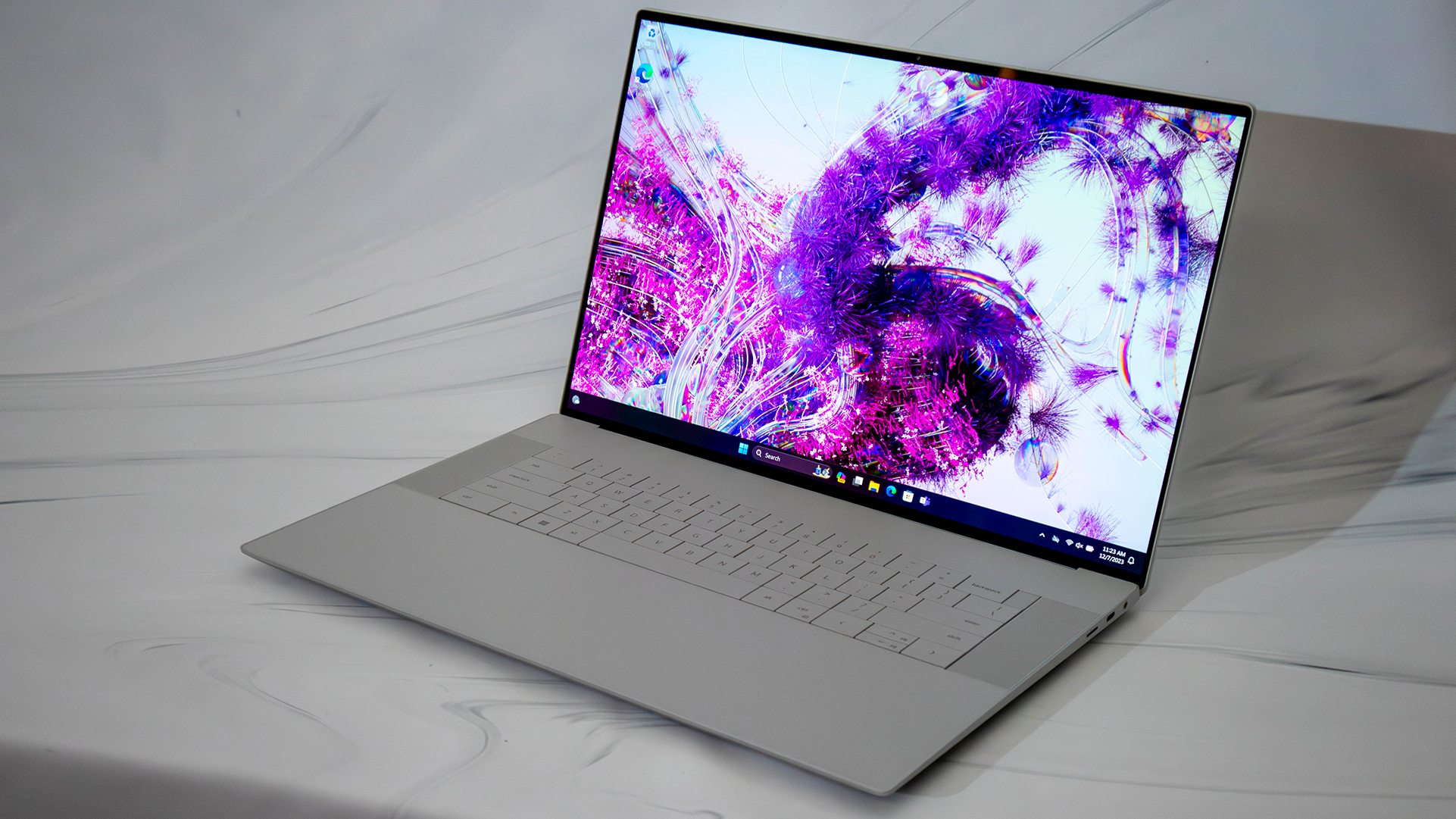
The Dell XPS 16 highlights a major shift at Dell Technologies as it moves back to familiar branding after a short-lived experiment. The decision reflects a renewed focus on identity, customer trust, and market clarity in the competitive PC space.
Dell XPS 16 comeback reshapes Dell branding
Dell’s return to the XPS lineup marks a clear reversal of its earlier naming strategy. In 2025, the company introduced simpler labels like “Pro” and “Max” in an attempt to appeal to a wider audience. That move drew inspiration from Apple Inc., which has built strong recognition around similar naming conventions.
However, the change did not deliver the expected results. Customers found the new naming structure less distinct, and the company quickly reconsidered its approach. By early 2026, Dell restored the XPS brand, bringing back one of its most recognizable product lines.
Why the XPS brand still matters
The XPS series has long stood for premium design, performance, and reliability. Over time, it has built a loyal customer base that values consistency. When the brand disappeared, many users felt disconnected from the product lineup.
Reintroducing the XPS identity helps Dell reconnect with those customers. It also simplifies decision-making for buyers who rely on familiar names when choosing devices.
Competition drives a return to identity
The global laptop market remains highly competitive, with major players continuing to refine their offerings. Apple’s MacBook lineup still sets a benchmark in design and ecosystem integration. Instead of copying rivals, Dell now appears focused on strengthening its own brand identity.
This shift suggests a more confident strategy. By leaning into what made its products successful, Dell can better position itself against competitors.
Customer perception and market response
Brand recognition plays a key role in purchasing decisions. Many consumers associate the XPS name with high-end laptops, making it easier to trust new releases under the same label.
The return of the XPS lineup is likely to improve customer confidence. It also signals that Dell is listening to feedback and willing to adjust quickly when needed.
What this means for Dell’s PC strategy
The comeback of the XPS brand reflects a broader lesson for the tech industry. While innovation is important, companies must balance change with continuity. Abrupt shifts in branding can confuse customers and weaken market positioning.
Dell’s decision to restore its flagship lineup shows a renewed commitment to clarity and long-term value. Going forward, the company is expected to focus on refining its core products rather than experimenting with unfamiliar naming systems.
Dell XPS 16 represents more than a single product. It signals a strategic reset that prioritizes brand strength and customer connection. By returning to its roots, Dell aims to rebuild momentum and compete more effectively in the global laptop market.