BMW EV sales have reached a major milestone, with the BMW Group confirming that it has now delivered two million fully electric vehicles to customers worldwide. The achievement comes as the new BMW iX3 helps drive stronger demand for battery-electric vehicles, particularly across Europe.
BMW announced the milestone on August 27, 2026, saying its Neue Klasse generation of electric cars is beginning to provide significant momentum for its electrification strategy. The company has now delivered around 3.5 million electrified vehicles globally when plug-in hybrids are included.
The numbers highlight how quickly electric vehicles have moved from being a relatively small part of BMW’s portfolio to becoming an increasingly important part of its global business.
BMW EV sales reach the two-million milestone
BMW Group’s two million fully electric deliveries have accumulated since the first BMW i3 went on sale in late 2013.
The milestone covers battery-electric vehicles sold across BMW Group brands, including BMW and MINI. It does not include plug-in hybrids in the two-million BEV figure.
When plug-in hybrids are added, BMW says approximately 3.5 million electrified vehicles have been delivered worldwide since 2013. In the first half of 2026 alone, more than one in four vehicles sold by the group was electrified.
The two-millionth battery-electric vehicle was a BMW i5 M60 xDrive produced at BMW’s Dingolfing plant in Germany. It was delivered to a customer in Spain.
It is a symbolic milestone for a company that entered the modern mass-produced EV market with the compact and unconventional BMW i3 more than a decade ago.
New BMW iX3 becomes a major growth driver
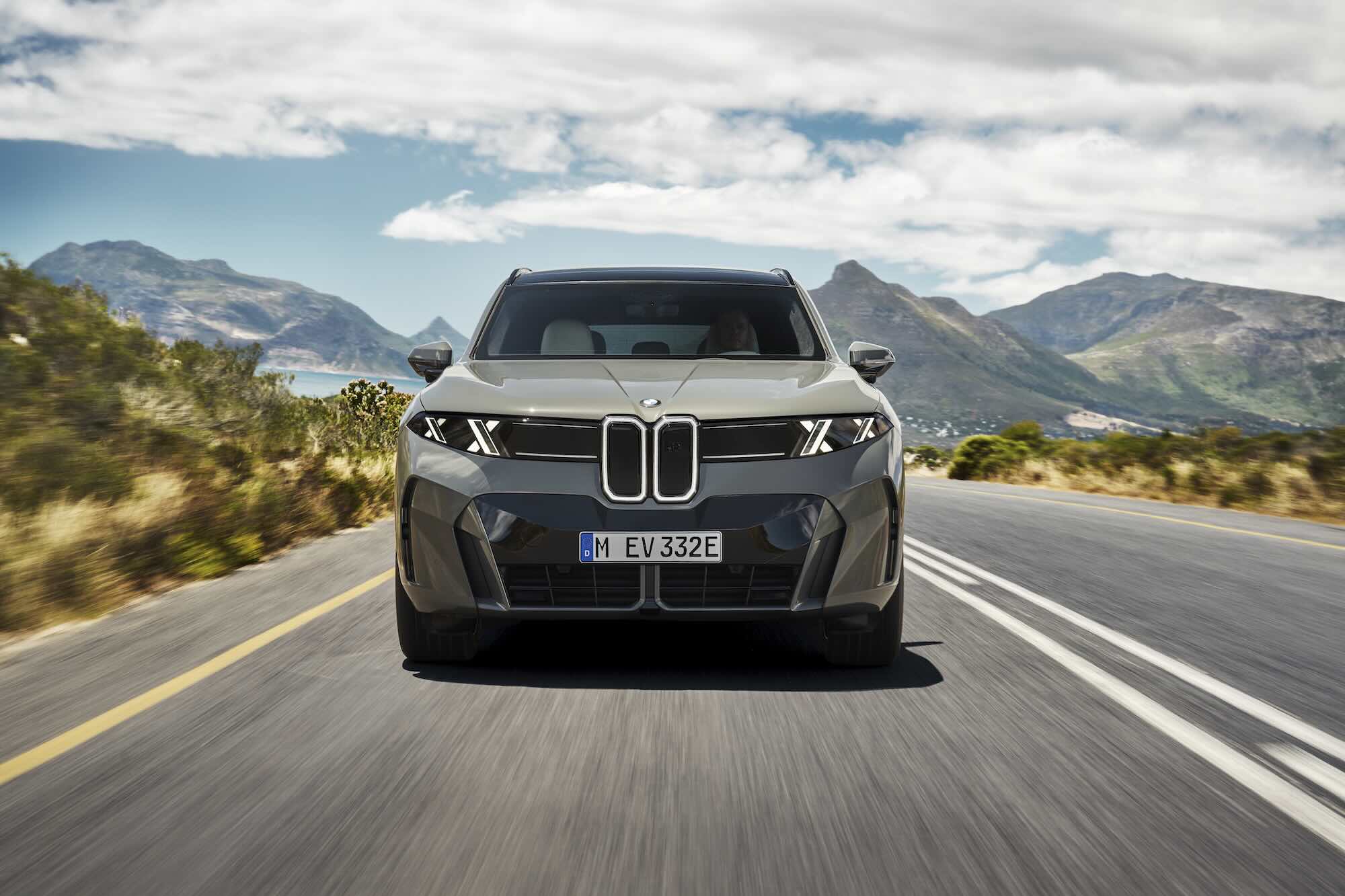
While the two-millionth electric BMW was an i5, much of the company’s latest momentum is coming from the new BMW iX3.
The iX3 is the first production vehicle based on BMW’s Neue Klasse architecture and represents a major technological shift for the brand.
Demand has been particularly strong in Europe. BMW says it is approaching 100,000 new orders for the iX3, while one in every three fully electric BMWs ordered in Europe since the model’s world premiere has been an iX3.
Within the wider BMW X3 family, the electric model has also become increasingly important. According to BMW, around half of current X3 orders are now for the fully electric iX3.
That level of demand suggests BMW’s next generation of EVs could play a much larger role in its overall sales mix than earlier electric models.
European BMW EV sales climb sharply
Europe has emerged as one of the strongest markets for BMW’s electric vehicles.
During the second quarter of 2026, BMW Group BEV sales in Europe increased 38% to 81,445 vehicles as availability of the new iX3 improved.
Fully electric vehicles accounted for around 28% of BMW Group sales in Europe during the first half of the year.
That means more than one in four BMW Group vehicles sold on its home continent was already fully electric.
The figures are particularly important because they show that BMW’s EV growth is no longer dependent on only a handful of early adopters. Electric models are becoming a substantial part of the manufacturer’s mainstream European business.
Why the Neue Klasse matters to BMW
The Neue Klasse is much more than the foundation for one new electric SUV.
BMW developed the platform to introduce a new generation of battery technology, electronics, software and digital systems that will eventually spread across much of its vehicle range.
The iX3 is the first major demonstration of that strategy.
Its early order numbers indicate that customers are responding positively to BMW’s latest approach to electric vehicles.
Jochen Goller, BMW AG board member responsible for Customer, Brands and Sales, said the two-million milestone demonstrates the appeal of BMW and MINI electric models globally while describing the Neue Klasse as important to the company’s continued expansion in electric mobility.
BMW previously said the technologies introduced through Neue Klasse would eventually be rolled out across dozens of new and updated models.
BMW i3 joins the Neue Klasse lineup
The iX3 will not remain BMW’s only Neue Klasse model for long.
BMW Group Plant Munich began series production of the new BMW i3 in August 2026. The electric sedan becomes the second major vehicle based on the Neue Klasse generation.
BMW says the model has already attracted strong demand following the opening of orders.
The arrival of the i3 is significant because it expands Neue Klasse technology beyond the SUV segment and into one of BMW’s most important traditional vehicle categories.
Together, the iX3 and i3 give BMW two strategically important models with which to accelerate its electric transition.
BMW is taking a flexible approach to electrification
Despite growing BMW EV sales, the company is not abandoning combustion engines and plug-in hybrids overnight.
Instead, BMW continues to pursue what it describes as a technology-neutral strategy, offering customers different powertrain choices depending on the vehicle and market.
That approach differs from manufacturers that previously announced fixed dates for becoming entirely electric.
BMW’s growing BEV numbers nevertheless show that fully electric vehicles are taking an increasingly large share of its business.
In 2025, BMW Group delivered 442,056 battery-electric vehicles worldwide, a 3.6% increase from the previous year. BEVs represented 17.9% of total group vehicle sales that year.
The stronger European performance recorded in 2026 suggests the transition is continuing, even while demand varies considerably between global markets.
The iX3 could shape BMW’s next phase of EV growth
Reaching two million fully electric deliveries is important, but BMW’s next challenge will be increasing that number much faster.
The early performance of the new iX3 provides encouraging signs.
Nearly 100,000 orders, a rapidly growing share of electric BMW orders in Europe and a 38% increase in second-quarter European BEV sales all suggest Neue Klasse models could become central to BMW’s next stage of electric expansion.
The milestone also shows just how far BMW has travelled since launching the original i3 in 2013.
What began as an experimental-looking electric city car has developed into a broad EV portfolio covering SUVs, sedans, luxury cars and MINI models.
With the iX3 now gaining traction and the new i3 entering production, BMW EV sales could increasingly depend on Neue Klasse vehicles as the company moves deeper into the electric era.
For BMW, two million electric cars is therefore less an endpoint than the beginning of its next phase of electrification.