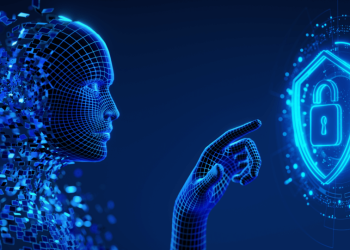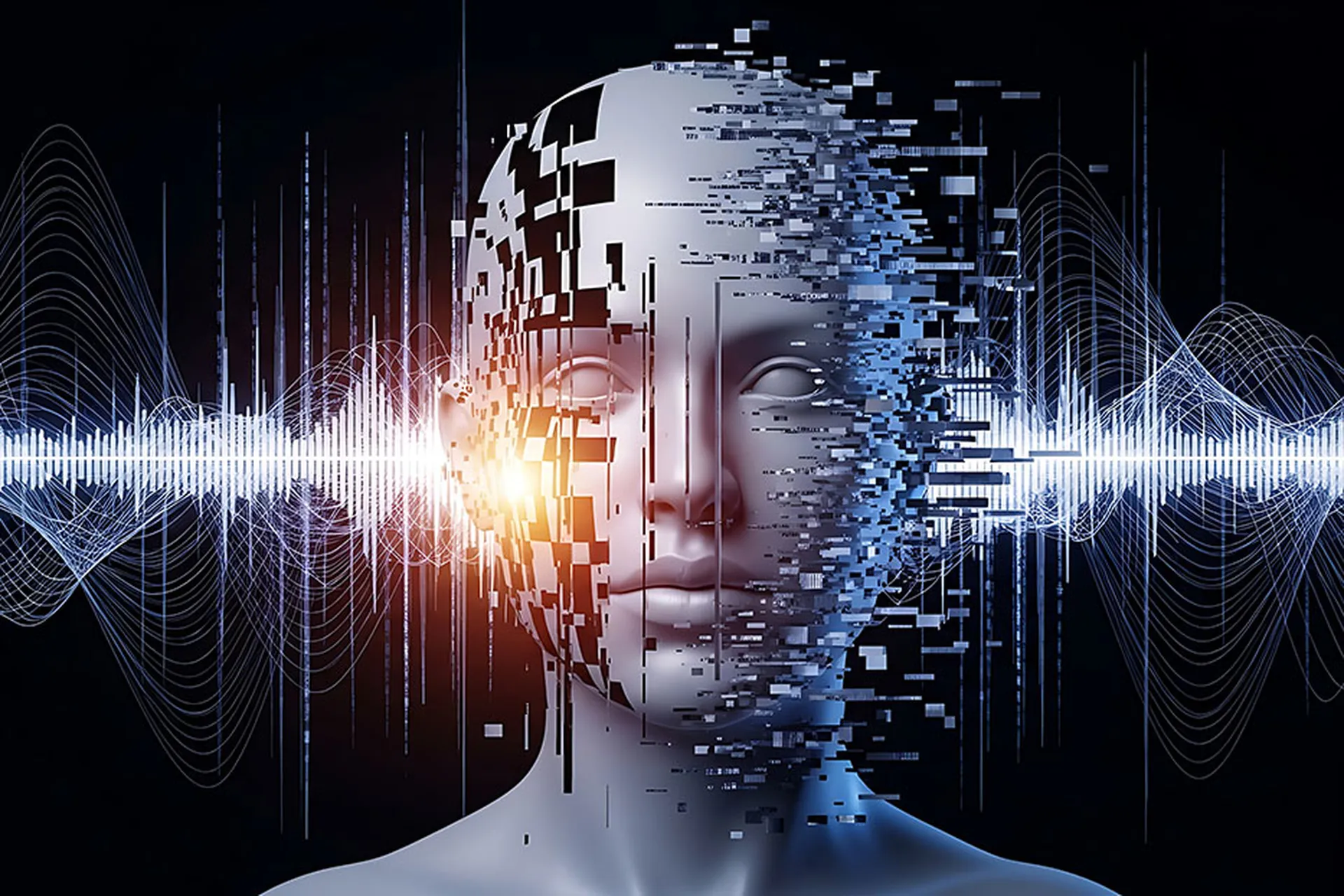
AI deepfake threat is spreading fast across social media, and it is now targeting religious leaders in alarming ways. Today, artificial intelligence can create highly realistic fake videos that confuse viewers and damage trust. As a result, experts warn that people must stay alert and verify what they see online.
At the same time, this trend shows how quickly technology is changing communication. While AI offers benefits, it also creates serious risks.
AI deepfake threat creates fake church leaders
The AI deepfake threat has already produced convincing videos of fake bishops, priests, and other religious figures. In many cases, these clips show dramatic scenes that never happened.
For example, some videos reuse the same script but change faces and locations. Because of this, many viewers believe the content is real.
In addition, scammers use these fake identities to request money from followers. This makes the problem more dangerous than simple misinformation.
AI deepfake threat fuels identity theft
The deepfake threat also affects individuals directly. Some clergy members have discovered fake accounts using their names and images.
These impersonators contact followers and ask for financial help. As a result, victims lose money while trusting what appears to be a real person.
Furthermore, removing these fake profiles often takes time. Even after reporting them, new ones may appear quickly.
AI deepfake threat makes verification harder
At the same time, the deepfake threat makes it harder to tell what is real. Modern tools can copy voices, facial expressions, and movements with high accuracy.
Because of this, users must look more carefully at content. For instance, sudden cuts, unnatural movements, or strange details may reveal a fake.
Experts call this the “uncanny valley,” where something looks almost real but still feels slightly off.
AI deepfake threat demands awareness and action
To respond to the deepfake threat, experts recommend using trusted sources. For example, official accounts and verified platforms provide more reliable information.
In addition, users should avoid sharing content that they cannot confirm. This helps reduce the spread of misinformation.
Organizations are also taking action. Some institutions now create ethical AI guidelines to protect their communities and improve digital awareness.
AI deepfake threat affects trust in society
The deepfake threat does not only affect religious groups. Instead, it impacts society as a whole by weakening trust in digital content.
When people cannot tell what is real, confusion increases. Over time, this can lead to doubt in media, institutions, and communication.
Therefore, both individuals and organizations must act carefully. Verifying information and promoting truth are now more important than ever.
Why AI deepfake threat matters
Deepfake threat represents a major challenge in the digital age. Although AI brings innovation, it also introduces new risks that require attention.
By staying informed and cautious, people can protect themselves from deception. At the same time, institutions must continue improving safeguards.
Ultimately, protecting truth depends on awareness, responsibility, and careful use of technology.