Aliro smart lock technology is finally here, and it could change how we enter our homes forever. After years of fragmented smart lock systems tied to specific brands and apps, the Aliro smart lock standard now offers a universal way to unlock doors using your smartphone or smartwatch.
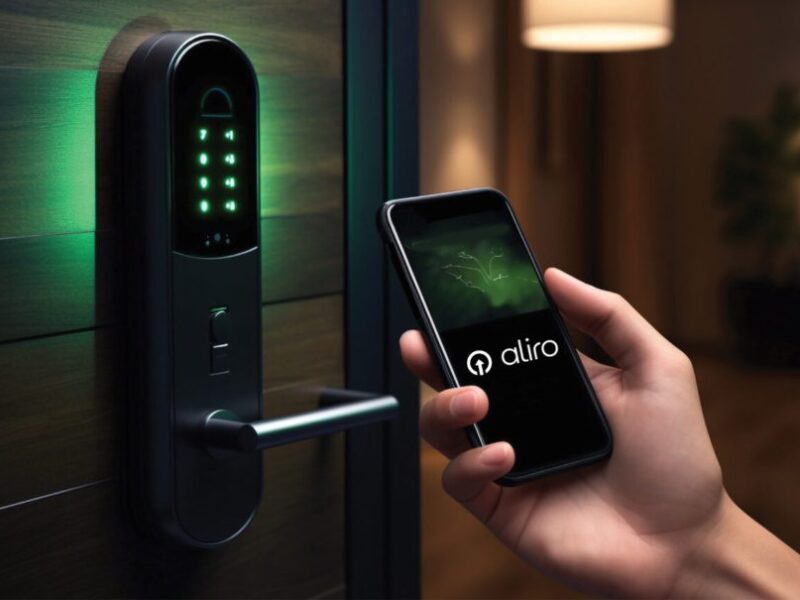
The Aliro smart lock standard introduces a cross-platform digital key that works across both iOS and Android devices. Instead of relying on proprietary apps or limited ecosystems, users can store a digital key in their mobile wallet and simply tap their phone against a compatible lock. The goal is simple: make your phone your universal key.
What Is the Aliro Smart Lock Standard?
The Aliro smart lock standard is an open specification developed to ensure any compatible smartphone can unlock any certified smart lock. It was first announced in 2023 and now has an official 1.0 specification, allowing manufacturers to begin certifying hardware.
Unlike older systems that locked users into specific ecosystems, the Aliro smart lock works with Apple, Google, and Samsung wallet platforms. This means an iPhone user and an Android user can both unlock the same door using tap-to-unlock technology.
Aliro uses near-field communication, or NFC, which is the same technology behind contactless payments. Just like tapping your phone to pay in a store, you can tap to unlock your door.
How Aliro Smart Lock Technology Works
The Aliro smart lock system relies on three key wireless technologies: NFC, Bluetooth Low Energy, and Ultra-Wideband.
NFC enables tap-to-unlock functionality. Bluetooth helps establish secure communication and supports app-based control. Ultra-Wideband, or UWB, allows hands-free unlocking. With UWB, the lock detects your approach and unlocks automatically when you walk toward the door.
One major advantage of the smart lock is that it does not require cloud connectivity. Your phone connects directly to the lock, meaning it can function in areas with weak signals, such as basements or parking garages.
Security is also a top priority. Aliro uses asymmetric cryptography to create a direct, encrypted connection between your device and the lock. This reduces reliance on external servers and enhances privacy.
Why Aliro Smart Lock Could Transform the Industry
The smart lock market has long suffered from compatibility issues. Many locks only work with specific apps or mobile platforms. The Aliro smart lock standard aims to eliminate this fragmentation.
With support from major companies including Apple, Google, Samsung, and leading lock manufacturers, Aliro has strong industry backing. This level of cooperation significantly increases the likelihood of wide adoption.
The Aliro smart lock could eventually allow one digital key to unlock your home, office, apartment building, or hotel room. Instead of juggling apps and credentials, users would rely on a single wallet-based system.
Will You Need a New Lock?
While the smart lock standard is promising, most users will likely need new hardware to benefit from it. Some recent locks with NFC chips may receive updates, but many manufacturers have confirmed that current models will not be upgraded.
Several companies have announced plans to release new Aliro-compatible models. NFC-enabled locks are expected to launch first, as NFC is already common in smartphones and smartwatches.
UWB-enabled locks may take longer to become mainstream. Although UWB allows hands-free unlocking, it requires specialized hardware inside the lock and a compatible smartphone. Currently, only select iPhones, Samsung Galaxy models, and Google Pixel devices support UWB.
Hands-Free Unlocking: The Future of Aliro Smart Lock
One of the most exciting features of the smart lock is hands-free entry. With UWB, the lock can detect your precise location and determine whether you are approaching from outside. If so, it unlocks automatically.
This technology promises greater reliability than older auto-unlock systems that relied on GPS and Wi-Fi. By using direct local communication between phone and lock, Aliro improves speed and consistency.
For many manufacturers, this passive authentication experience represents the ultimate goal. Instead of touching a keypad or scanning a fingerprint, your door simply unlocks as you approach.
Aliro and the Smart Home Ecosystem
The Aliro smart lock works alongside the Matter smart home standard. While Aliro handles communication between the digital key and the lock, Matter connects the lock to broader smart home platforms such as Apple Home, Google Home, and Amazon Alexa.
This dual-standard approach ensures both interoperability and centralized credential management. However, full integration will depend on platform updates and manufacturer support.
A Universal Digital Key Is Closer Than Ever
The smart lock standard marks a significant step toward simplifying smart home security. By offering cross-platform compatibility, strong encryption, and offline functionality, it addresses many of the pain points that have slowed smart lock adoption.
Although widespread rollout will take time, the foundation is now in place. As more manufacturers release compatible hardware, the idea of replacing physical keys with a universal digital key becomes increasingly realistic.
The Aliro smart lock may not eliminate traditional keys overnight. However, it sets a clear path toward a future where your phone is all you need to unlock the world around you.