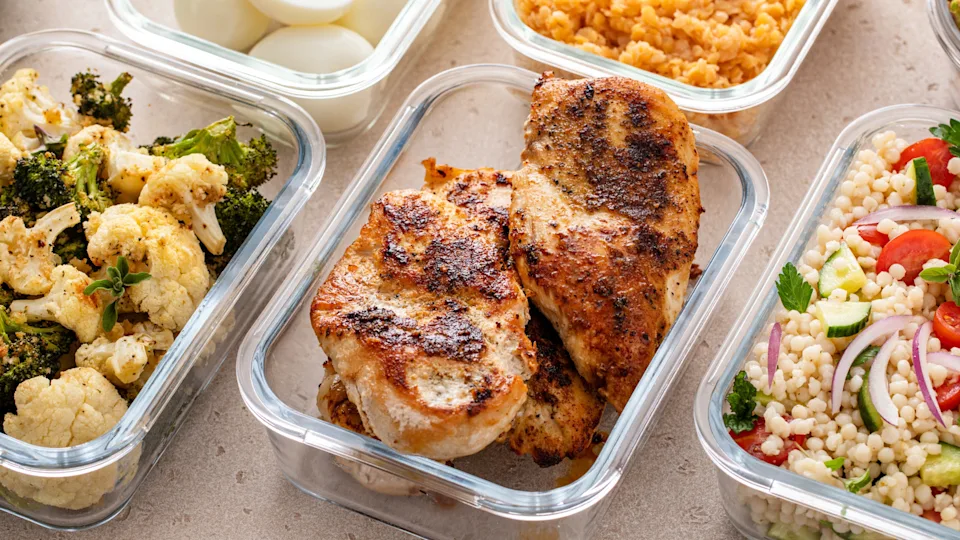
Cooked chicken fridge storage is an important food safety topic because leftovers can quickly become unsafe if stored incorrectly. Chicken is one of the most commonly prepared proteins, and many people keep it for later meals such as salads, sandwiches, or rice dishes.
However, once chicken is cooked and placed in the refrigerator, its shelf life becomes limited. Understanding how long cooked chicken stays safe, why it spoils, and how to store it correctly can help prevent foodborne illness.
Cooked Chicken Fridge Storage Time
Food safety experts generally recommend eating cooked chicken within three to four days when stored in the refrigerator.
This guideline applies if the chicken was cooked properly and kept in a refrigerator set at 40°F (4°C) or below. At this temperature, bacterial growth slows significantly, allowing leftovers to remain safe for several days.
Under ideal conditions, some experts note that cooked foods may last slightly longer. In a consistently cold refrigerator, cooked chicken can sometimes remain safe for up to seven days. However, the shorter three to four day window is usually the safest recommendation.
If you are unsure about the temperature of your refrigerator, using a fridge thermometer can help confirm that food is stored at a safe level.
Why Cooked Chicken Fridge Storage Has Limits
Even after cooking, chicken can still spoil over time. Cooking kills most harmful bacteria, but some microorganisms remain.
These microorganisms gradually multiply during storage. The rate at which they grow depends on several factors, including how the chicken was handled after cooking, how quickly it was refrigerated, and how cold the refrigerator is.
The cooler the environment, the slower the bacteria grow. That is why refrigeration plays a key role in extending the safe life of cooked chicken.
Signs Cooked Chicken in the Fridge Has Gone Bad
It is not always easy to determine whether cooked chicken has spoiled, but several warning signs can help.
A sour or unpleasant smell is often the first indicator that chicken should not be eaten. The texture may also become slimy or sticky.
Changes in color are another sign. If cooked chicken begins to look dull, gray, or unusual in appearance, it is safer to discard it.
Food safety experts recommend throwing away leftovers if you have any doubts. When it comes to spoiled chicken, caution is always the best choice.
How to Store Cooked Chicken in the Fridge
Proper storage helps keep cooked chicken safe and fresh for as long as possible.
Place the chicken in airtight containers or tightly sealed storage bags. This prevents the meat from drying out and protects it from absorbing odors from other foods.
It is also recommended to store cooked chicken on upper refrigerator shelves rather than near raw meats. This reduces the risk of cross contamination.
Always refrigerate cooked chicken within two hours of cooking. Leaving it out longer can allow bacteria to multiply quickly.
How to Reheat Cooked Chicken Safely
Reheating is another important part of cooked chicken fridge safety.
If the chicken was properly cooked and stored, reheating does not always require a specific temperature for healthy adults. However, vulnerable groups such as pregnant women, elderly individuals, or people with weakened immune systems should reheat chicken to 165°F (74°C).
Using a food thermometer is the best way to confirm the correct internal temperature.
To prevent dryness, adding a small amount of water or broth while reheating and covering the dish can help keep the chicken moist.
Freezing Cooked Chicken for Longer Storage
If you know you will not eat your cooked chicken within a few days, freezing it is the safest option.
Wrap the chicken tightly or place it in freezer-safe containers to prevent freezer burn. Frozen cooked chicken can remain safe for several months.
When you are ready to use it, thaw the chicken in the refrigerator. Avoid thawing at room temperature because bacteria can grow rapidly in warm conditions.
Learning proper cooked chicken fridge storage habits can help reduce food waste while keeping meals safe and enjoyable.