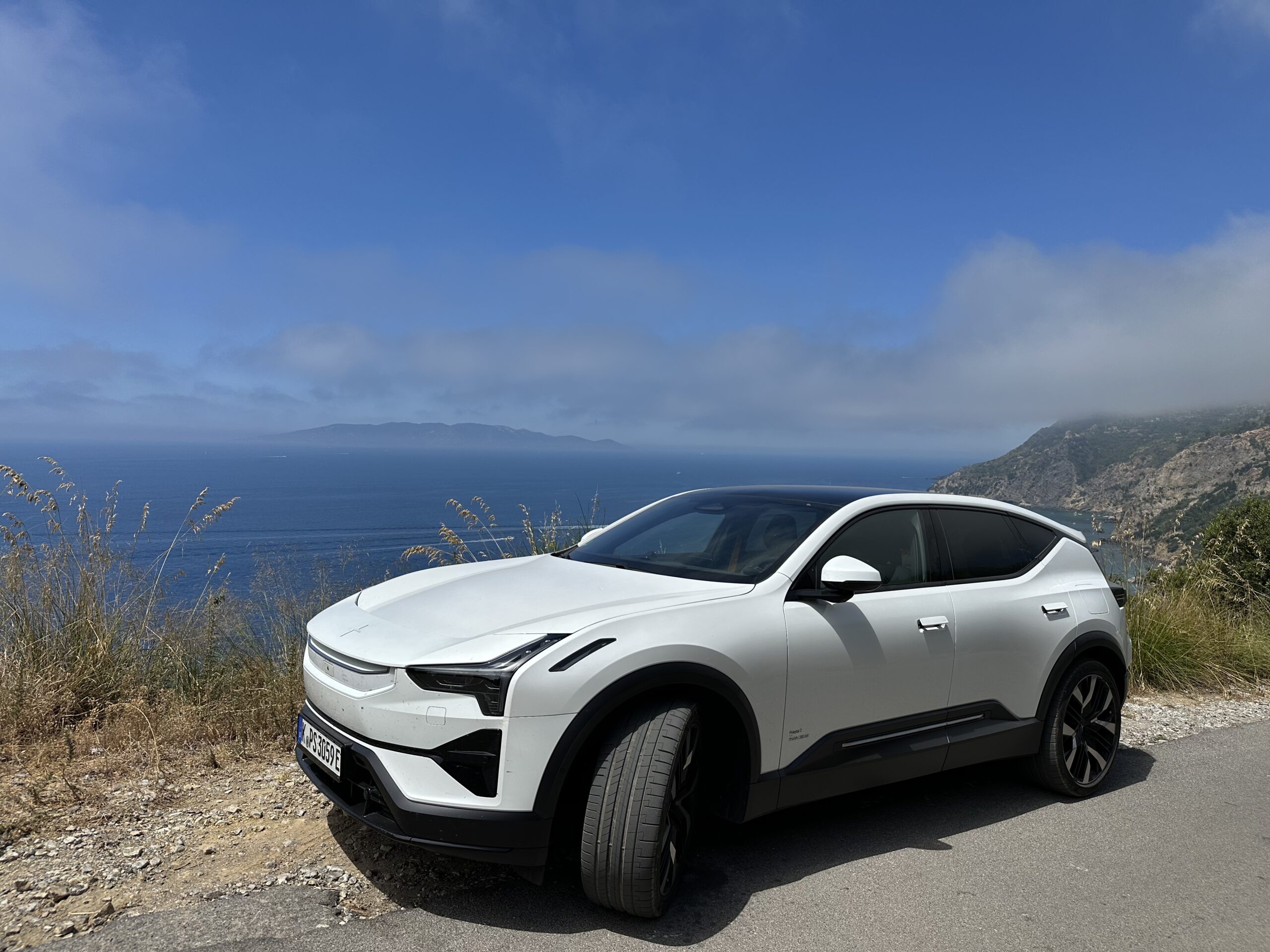
Germany is offering fresh incentives for electric vehicle buyers as it pushes to revive EV sales and cut transport emissions.
Germany has launched a new electric vehicle subsidy programme aimed at helping lower-income households purchase or lease cleaner cars as the country tries to accelerate its transition to sustainable transport.
The Germany EV subsidy programme offers up to €6,000 in support for eligible households buying or leasing new electric vehicles. Officials say the initiative will also support the struggling automotive sector while helping reduce carbon emissions.
According to reports published by The Driven, the German government has already opened a digital application portal for the programme.
How the Germany EV Subsidy Works
The subsidy applies to newly registered battery-electric vehicles, range-extender models, and selected plug-in hybrid vehicles.
Government support levels will vary depending on household income, family size, and vehicle type. Officials have allocated €3 billion to the programme and expect it to support roughly 800,000 vehicles through 2029.
German Environment Minister Carsten Schneider described the programme as both an environmental and economic measure.
He said the initiative would help households that could not otherwise afford electric vehicles while also supporting Germany’s automotive industry.
Schneider also linked the transition to electric mobility with energy independence as global fossil fuel pressures continue to rise.
Germany Tries to Revive EV Sales
Germany launched the new subsidy programme in January, though authorities only recently opened the system for retroactive applications.
Officials say the programme has already contributed to stronger EV adoption figures. Between January and April, one in four newly registered vehicles in Germany was fully electric.
The country has struggled to maintain momentum in electric vehicle adoption after it abruptly ended a previous subsidy programme during the 2023 budget crisis.
That decision caused EV sales to fall sharply.
In 2025, only around one in seven newly sold vehicles in Germany was fully electric. The slowdown raised concerns about the government’s target of placing 15 million EVs on German roads by 2030.
Transport Emissions Remain a Major Problem
Germany views electric mobility as one of its main tools for reducing greenhouse gas emissions from transport.
Transport accounted for roughly 22.5% of Germany’s greenhouse gas emissions in 2025. Despite improvements in engine efficiency, emissions from the sector have remained largely unchanged since 1990.
Analysts say growing road traffic and increased demand for larger vehicles have offset gains from cleaner technologies.
Experts warn that Germany must accelerate action in both transport and building sectors if it hopes to meet its 2045 climate neutrality goals.
Critics Raise Concerns Over Subsidies
Not everyone supports the Germany EV subsidy programme.
Some experts warn that manufacturers could partially absorb the subsidies through higher vehicle prices. Others continue questioning the environmental value of plug-in hybrids, particularly when drivers rely heavily on petrol engines after battery depletion.
The German Association of the Automotive Industry welcomed the programme but stressed that affordable electricity and stronger charging infrastructure remain essential for long-term EV adoption.
Germany’s latest subsidy push highlights the growing pressure facing governments worldwide as they attempt to balance climate goals, affordability concerns, and industrial competitiveness during the transition to electric transport.
For many lower-income households, the success of the programme may ultimately depend on whether electric vehicles become genuinely affordable beyond government incentives.