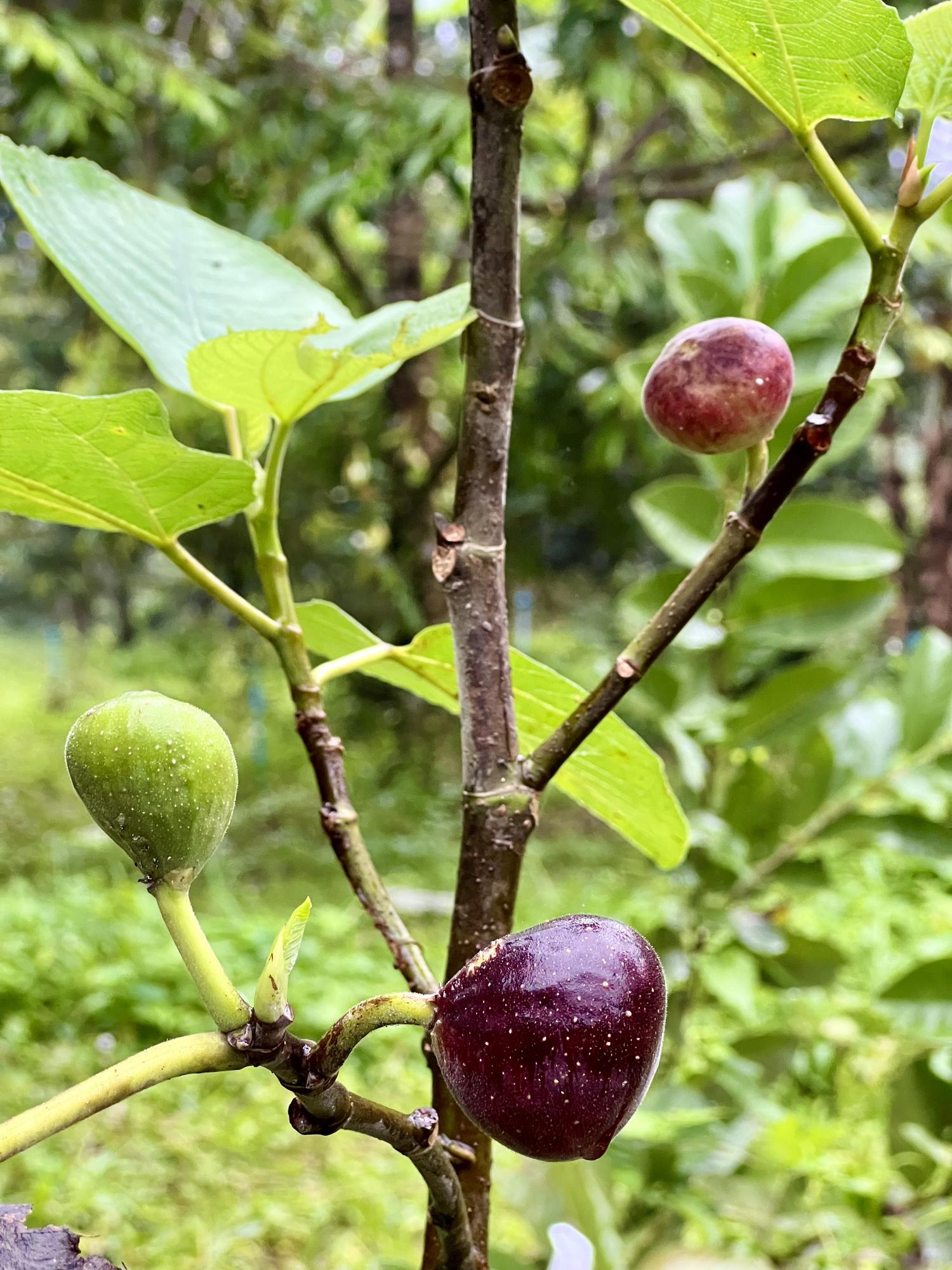
Learning how to grow fig tree plants at home can reward gardeners with years of sweet, fresh fruit and an attractive landscape feature. Fig trees are popular because they are easy to maintain, drought tolerant, and adaptable to many growing conditions.
Whether planted outdoors in a garden or grown in containers on a balcony or patio, fig trees can thrive with the right care. Once established, these fruit trees often produce abundant harvests with minimal maintenance.
Grow Fig Tree at the Right Planting Time
The best time to grow fig tree plants is in spring after the final frost has passed. Planting during this period gives the tree an entire growing season to establish strong roots.
A well developed root system helps the tree absorb water and nutrients more effectively. Over time, this encourages healthy branch growth and improves the plant’s ability to survive colder seasons.
Young fig trees planted in spring also have more time for their stems to harden and become stronger before winter arrives.
Grow Fig Tree in the Best Location
Choosing the right location is essential when you grow fig tree varieties.
Fig trees require plenty of sunlight and warmth. Most gardening experts recommend planting them in areas that receive six to eight hours of full sun each day.
A south facing wall or sheltered garden area works particularly well because it protects the tree from strong winds while maximizing heat exposure.
When planting directly in the ground, dig a hole about three times the size of the root ball. Mix compost into the soil to improve fertility and drainage.
After placing the tree in the hole, backfill the soil and water deeply to remove air pockets around the roots.
Grow Fig Tree With Proper Care
To grow fig tree plants successfully, gardeners should focus on several key care requirements.
Sunlight
Fig trees thrive in full sun. Warm, sunny locations help produce stronger growth and sweeter fruit.
Soil
Well draining soil rich in organic matter works best for figs. Slightly acidic to neutral soil with a pH between 6.0 and 7.5 is ideal.
Water
Water deeply about once a week. During extremely hot or dry weather, more frequent watering may be necessary. The soil should remain moist but never waterlogged.
Temperature
Fig trees prefer warm conditions and grow best in soil temperatures around 78°F.
Fertilizer
In the first year, nitrogen rich fertilizer helps encourage strong leaf and branch growth. In later years, phosphorus rich fertilizer supports fruit production.
Grow Fig Tree and Harvest Fresh Figs
Harvesting fruit is the most rewarding stage when you grow fig tree plants.
Figs usually ripen about 90 to 120 days after small figlets begin forming. As they mature, the fruits swell, soften, and sometimes droop slightly on the branch.
Many varieties change color during ripening. Green figs may turn dark purple, brown, or yellow depending on the variety.
To harvest, gently twist the fig at its stem and pull it from the branch. Ripe figs are very delicate and should be handled carefully.
Because figs ripen quickly, gardeners should check the tree regularly during harvest season.
Grow Fig Tree With Proper Pruning
Pruning helps maintain healthy growth when you grow fig tree plants.
The best time to prune is late winter or early spring while the tree is still dormant. This reduces stress on the plant and encourages new growth.
Start by sterilizing pruning tools to prevent the spread of diseases. Then remove dead, damaged, or weak branches.
Select three to five strong branches to form the main structure of the tree. Removing crossing branches improves airflow and sunlight penetration.
Gardeners should also remove suckers, which draw energy away from fruit production.
Grow Fig Tree in Containers
Container gardening is another excellent way to grow fig tree plants.
Choose a pot that is at least 18 to 24 inches wide with good drainage holes. Fill it with well draining potting soil enriched with organic matter.
Place the tree so the top of the root ball sits at the same depth as it did in the nursery container. Water thoroughly after planting.
Container grown fig trees can be moved outdoors in warm weather and brought indoors during colder months.
Produce Fig Tree Through Propagation
Gardeners can also grow fig tree plants by propagating cuttings.
The best time to take cuttings is during the dormant season in fall, winter, or early spring. Choose a branch about the thickness of a pencil and cut a section six to ten inches long.
Plant the cutting in a small container filled with sterile potting soil. Ensure that several nodes are buried beneath the soil so roots can develop.
With proper care, cuttings typically root within one to two months.
Produce Fig Tree While Managing Pests
Like most fruit trees, figs can occasionally face pest or disease issues.
Common pests include ants, scale insects, and mealybugs. Diseases such as fig rust or anthracnose may also occur if conditions are unfavorable.
Proper pruning, watering, and sunlight exposure help prevent many of these problems. Healthy trees are far more resistant to pests and diseases.
With the right approach, learning how to grow fig tree plants can provide years of fresh fruit and a beautiful addition to any home garden.