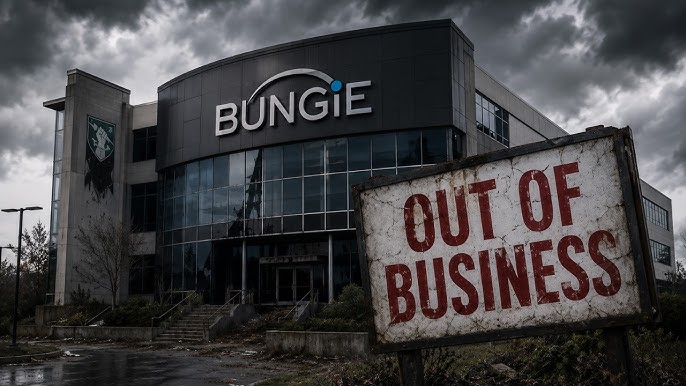
Sony is standing behind Marathon even as Bungie losses continue to raise questions about the value of one of PlayStation’s biggest studio acquisitions.
The company has recorded a further $565 million in impairment losses tied to Bungie. That adds to an earlier $200 million charge, bringing total impairment losses linked to the studio to about $765 million.
Bungie losses reflect lower asset value
The latest Bungie losses do not mean the studio’s games directly lost $765 million. Instead, impairment losses show that Sony now values Bungie lower than it did when it bought the studio for $3.6 billion.
Sony acquired Bungie with high expectations for live-service gaming, multiplayer franchises and long-term online revenue. However, the latest financial adjustments suggest that the studio has not delivered the level of value Sony originally expected.
The size of the impairment has renewed debate about whether Sony overpaid for Bungie and whether the studio can still justify its acquisition price.
Sony says Marathon still has strong reception
Despite the financial hit, Sony says it remains committed to Marathon.
The company pointed to positive player reception, citing a Metacritic score of 82 and more than 90% positive user reviews on Steam. Sony also said engagement and retention remain strong among core players.
Sony said it plans to improve Marathon through additional content, gameplay upgrades and efforts to expand the player base.
That message shows the company still sees potential in the game. However, the wider market response appears more complicated.
Marathon faces player-count concerns
Marathon may have received positive reviews from some players, but its long-term performance remains under scrutiny.
The game has reportedly continued losing players since launch, especially on PC. That is concerning because PC is one of its most important platforms.
The situation becomes more serious when Marathon’s numbers are compared with Destiny 2, Bungie’s older flagship game. Destiny 2 is more than a decade old and has been going through a long content drought, yet Marathon appears at risk of falling below its player activity levels.
That raises doubts about whether Marathon can become the long-term live-service success Sony needs it to be.
Destiny 2 future remains unclear
Another concern is the lack of clear attention around Destiny 2.
The franchise helped make Bungie one of the most important names in live-service gaming. Yet Sony’s current comments appear focused mainly on Marathon, leaving Destiny 2 fans uncertain about the game’s future.
Players have been hoping for clearer signs of a Destiny 3 announcement or a long-term roadmap for Destiny 2. So far, there is no strong indication that either is close.
This uncertainty matters because Destiny remains central to Bungie’s identity. If the studio shifts too many resources toward Marathon while Destiny weakens, it risks damaging both franchises.
Why Bungie’s position matters to Sony
Sony bought Bungie partly to strengthen its live-service strategy. The company wanted expertise in large online games, community engagement and long-running multiplayer franchises.
That strategy has become harder as live-service games face intense competition. Players have limited time, and only a few titles can maintain large audiences for years.
For Sony, Bungie is no longer just a creative studio. It is a major financial bet. The Bungie losses show how difficult it can be to turn even a respected developer into a reliable growth engine.
Could layoffs become a risk?
Sony has not announced new layoffs in connection with the latest impairment charge. However, the pressure on Bungie could increase if Marathon fails to grow or if Destiny 2 continues to lose momentum.
Cost-cutting is always a risk when a studio faces weaker-than-expected performance. Layoffs could reduce expenses, but they could also make it harder for Bungie to create enough content to keep players engaged.
That creates a difficult cycle. Fewer developers can mean less content, which can lead to fewer players, which can then create more pressure for cuts.
What comes next for Bungie
Sony’s public support for Marathon gives Bungie more time to improve the game. New content, stronger retention and a broader player base will be crucial.
But the studio also needs to restore confidence around Destiny. Ignoring or delaying clear communication about the franchise could frustrate long-time fans.
The bigger question is whether Bungie can support two major live-service games at once. Marathon needs growth, while Destiny needs stability and a future.
For now, Sony is publicly backing Bungie. But the latest Bungie losses show that patience may not be unlimited. The studio must prove that Marathon can recover and that its wider portfolio still has long-term value.