Uganda is experiencing one of the fastest population growth rates in Africa, and this demographic pressure is placing significant strain on the country’s housing sector. As Uganda continues to urbanize, demand for decent and affordable housing has outpaced supply. In 2026, the housing shortage stands out as a major social and economic challenge—but it also presents clear opportunities for investment, policy reform, and innovation in real estate development.
Housing plays a critical role in public health, productivity, and social stability. The growing gap between housing demand and supply affects millions of Ugandans, particularly in urban and peri-urban areas.
The Scale of Uganda’s Housing Shortage
Uganda’s housing deficit has been growing steadily over the past decade. Rapid population growth, rural-to-urban migration, and a youthful population have combined to increase pressure on cities and towns. Urban centers such as Kampala attract thousands of new residents each year in search of jobs, education, and better services.
However, formal housing development has not kept pace with this influx. Most new housing units are built for high-income earners, leaving low- and middle-income households with limited options. As a result, informal settlements continue to expand, particularly around major cities.
Affordability as a Core Challenge
Affordability is at the heart of Uganda’s housing crisis. Construction costs remain high due to expensive building materials, reliance on imports, and limited economies of scale. Developers often pass these costs on to buyers and tenants, pricing many Ugandans out of the formal housing market.
Access to housing finance further compounds the problem. Mortgage interest rates are relatively high, loan tenures are short, and eligibility requirements exclude many households with informal incomes. Without affordable long-term financing, home ownership remains unattainable for a large segment of the population.
Rental housing also faces affordability pressures, particularly in urban areas where demand is strongest. Rising rents strain household budgets and increase the risk of overcrowding.
Land and Infrastructure Constraints
Land-related issues significantly affect housing supply. Delays in land titling, disputes over ownership, and fragmented land administration discourage large-scale housing development. In some cases, speculative land pricing drives up costs before construction even begins.
Infrastructure limitations are another major barrier. Areas without reliable roads, electricity, water, and sanitation services are less attractive to developers. Where infrastructure is lacking, development costs increase, making affordable housing projects less viable.
Improving infrastructure is therefore closely linked to expanding housing supply. When roads and utilities reach new areas, developers can build at lower land costs and deliver housing more efficiently.
Growth of Informal Settlements
The housing shortage has fueled the rapid growth of informal settlements, especially around Kampala and other emerging towns. These areas provide shelter but often lack proper planning, durable structures, and access to essential services.
Overcrowding in informal settlements increases health risks, environmental degradation, and vulnerability to disasters. It also places pressure on public services such as healthcare, education, and sanitation.
Addressing informal housing requires a dual approach: expanding the supply of affordable formal housing while upgrading existing settlements through infrastructure investment and community-led planning.
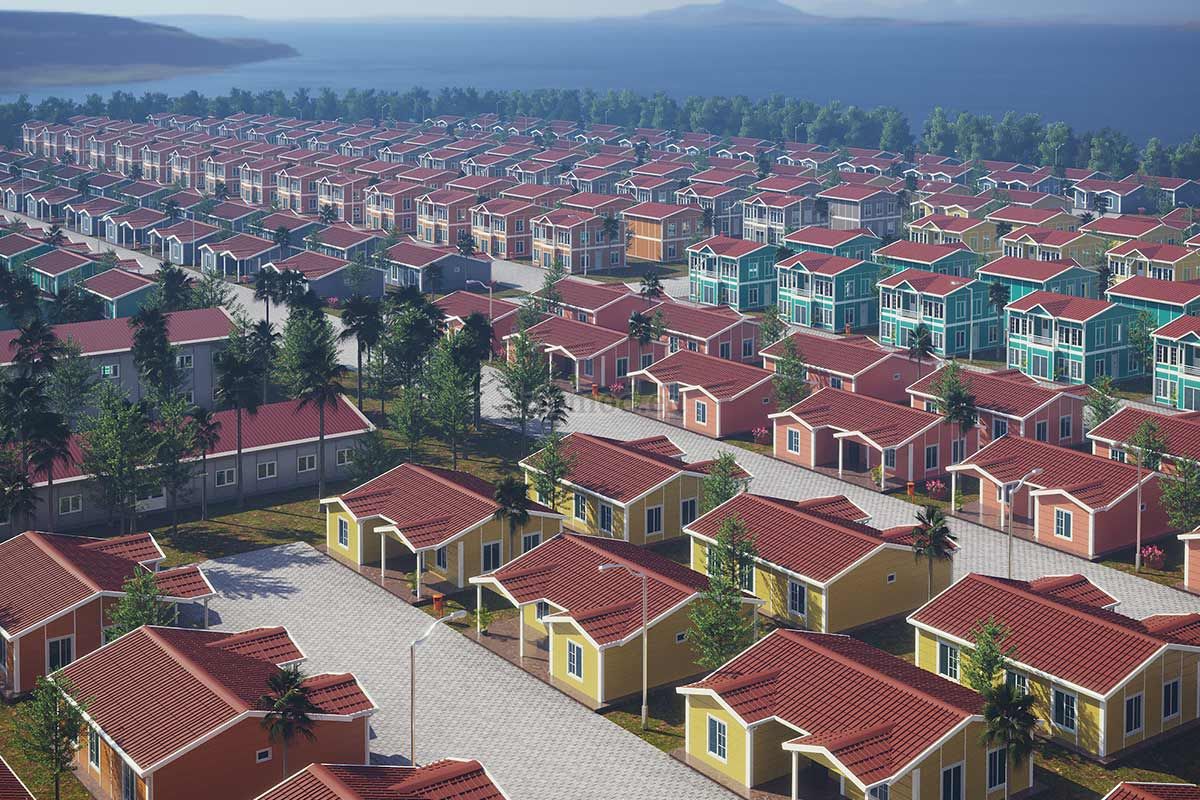
Opportunities in Affordable Housing Development
Despite the challenges, Uganda’s housing shortage creates substantial opportunities. The unmet demand for affordable housing represents a large and growing market for developers, investors, and financiers.
Public-private partnerships offer one promising pathway. Government support in the form of land provision, infrastructure development, or tax incentives can reduce project costs and encourage private developers to target affordable segments.
Innovative construction methods also present opportunities. The use of locally sourced materials, prefabrication, and cost-efficient building technologies can lower construction costs without compromising quality. These approaches make it possible to scale housing delivery more rapidly.
Role of Government and Policy Reform
Government policy is central to resolving Uganda’s housing shortage. In 2026, increasing attention is being paid to urban planning, affordable housing strategies, and land administration reform. Streamlining land registration and improving transparency can significantly reduce development delays and investor risk.
Expanding access to housing finance is equally important. Supporting mortgage refinancing, housing cooperatives, and savings-based schemes can make home ownership more accessible. Targeted incentives for first-time buyers and low-income households could also stimulate demand for affordable housing.
Infrastructure investment remains a key enabler. Roads, utilities, and public transport can unlock new development zones and reduce pressure on overcrowded urban cores.
Housing as an Economic Opportunity
Housing development has wide-ranging economic benefits. Construction activity generates employment, stimulates demand for local materials, and supports small and medium-sized enterprises across the supply chain.
Affordable housing also improves labor mobility, allowing workers to live closer to employment centers. This reduces commuting time, increases productivity, and enhances overall quality of life.
Well-planned housing developments contribute to safer, healthier, and more resilient communities, reinforcing social cohesion and economic stability.
The Way Forward
Solving Uganda’s housing shortage will require coordinated action across government, private sector, financial institutions, and communities. No single solution will close the housing gap, but combined efforts in policy reform, financing, infrastructure, and innovation can deliver meaningful progress.
Uganda’s housing shortage remains a significant challenge in 2026, driven by rapid urbanization, affordability constraints, and infrastructure gaps. At the same time, it presents clear opportunities for affordable housing development, investment, and economic growth. With supportive policies, innovative construction approaches, and inclusive planning, Uganda can turn its housing challenge into a catalyst for sustainable urban development and improved living conditions for millions of citizens.