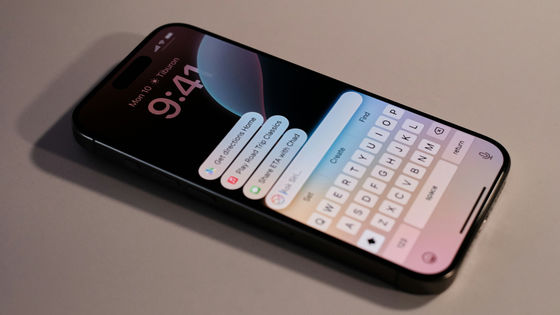
Apple is introducing new AI-powered accessibility tools designed to improve communication, navigation, and independence for users with disabilities.
Apple has unveiled a major set of accessibility updates powered by Apple Intelligence, expanding AI-assisted tools across iPhone, iPad, Mac, Apple TV, and Apple Vision Pro devices.
The Apple AI accessibility updates include smarter VoiceOver features, automatic subtitle generation, enhanced voice navigation, and a new eye-tracking wheelchair control system for Apple Vision Pro users. The company says the features will begin rolling out later in 2026.
Apple announced the upgrades ahead of its Worldwide Developers Conference 2026, where the company plans to showcase broader AI and software developments.
Apple Intelligence Expands Accessibility Tools
Apple is integrating artificial intelligence deeper into existing accessibility features such as VoiceOver, Magnifier, Voice Control, and Accessibility Reader.
The company says Apple Intelligence allows these tools to provide more detailed descriptions, natural language navigation, and personalized assistance while processing data directly on devices to protect user privacy.
For users who are blind or have low vision, VoiceOver can now generate more advanced image descriptions across the operating system. The feature can describe photographs, documents, scanned bills, and other visual content.
Apple also updated Live Recognition within VoiceOver. Users can now press the iPhone Action button to ask questions about objects seen through the camera viewfinder and receive spoken responses. They can also ask follow-up questions naturally.
Magnifier is also gaining similar AI-powered visual assistance and voice-command controls.
Voice Control Becomes More Natural
Apple says Voice Control is becoming more conversational and flexible for users with physical disabilities.
Instead of memorizing exact commands or button labels, users can now describe interface elements naturally. For example, users can say phrases such as “tap the purple folder” or “open the restaurant guide.”
The update aims to make navigation easier inside apps with complex visual layouts.
At launch, these new Voice Control features will support English users in the United States, Canada, the United Kingdom, and Australia.
Apple Adds AI-Generated Subtitles
Apple also announced automatic subtitle generation for videos without captions.
The feature uses on-device speech recognition to create subtitles privately across iPhone, iPad, Mac, Apple TV, and Apple Vision Pro devices.
The subtitles will work with personal videos, shared clips, and streamed online content that does not already include captions.
Users can customize subtitle appearance directly through playback settings.
Initially, the feature will only support English in the United States and Canada.
Apple Vision Pro Gains Wheelchair Control Feature
One of the most notable Apple AI accessibility announcements involves Apple Vision Pro.
The company revealed a new feature that allows some users to control compatible power wheelchairs using Vision Pro’s eye-tracking system.
Apple says the feature will support alternative drive systems from TOLT Technologies and LUCI in the United States through wired and Bluetooth connections.
The system aims to help users who cannot operate traditional joystick controls independently.
Pat Dolan, founder of GeoALS and a member of Team Gleason’s patient advisory board, praised the technology.
“The option to control my power wheelchair on my own is gold to me,” Dolan said.
More Accessibility Features Are Coming
Apple also announced additional accessibility updates across its ecosystem.
The company is bringing Vehicle Motion Cues to visionOS to help reduce motion sickness while traveling in moving vehicles. It is also adding face gestures for Vision Pro controls and improved support for adaptive gaming accessories such as the Sony Access controller.
Other updates include larger text support for tvOS, improved hearing aid pairing, expanded Name Recognition in more than 50 languages, and new APIs for sign language interpretation during FaceTime calls.
WWDC26 Will Showcase More AI Features
Apple plans to discuss many of these accessibility tools during Worldwide Developers Conference 2026, which runs from June 8 to June 12.
The conference will focus heavily on AI advancements, software updates, and new developer technologies across Apple platforms.
The Apple AI accessibility rollout signals how artificial intelligence is increasingly shaping assistive technology and personalized computing experiences.
For many users with disabilities, the updates could significantly improve independence, navigation, communication, and access to digital content.