Affordable electric vehicles are attracting growing interest in Australia as motorists search for ways to reduce their exposure to rising fuel prices and wider cost-of-living pressures.
New data from the Royal Automobile Club of Victoria, widely known as RACV, shows that electric models from BYD and MG have become the most searched vehicles on its Car Match platform.
The comparison website allows consumers to research vehicles using estimated running costs, specifications, features and available financing options.
According to RACV, BYD and MG electric vehicles have dominated searches since uncertainty in global fuel markets began increasing about five months ago.
The trend suggests that more Australian motorists are considering electric cars not only for environmental reasons, but also as a practical way to reduce everyday transport costs.
Affordable electric vehicles dominate online searches
The five most searched cars on RACV Car Match were all electric vehicles produced by Chinese-owned brands BYD and MG.
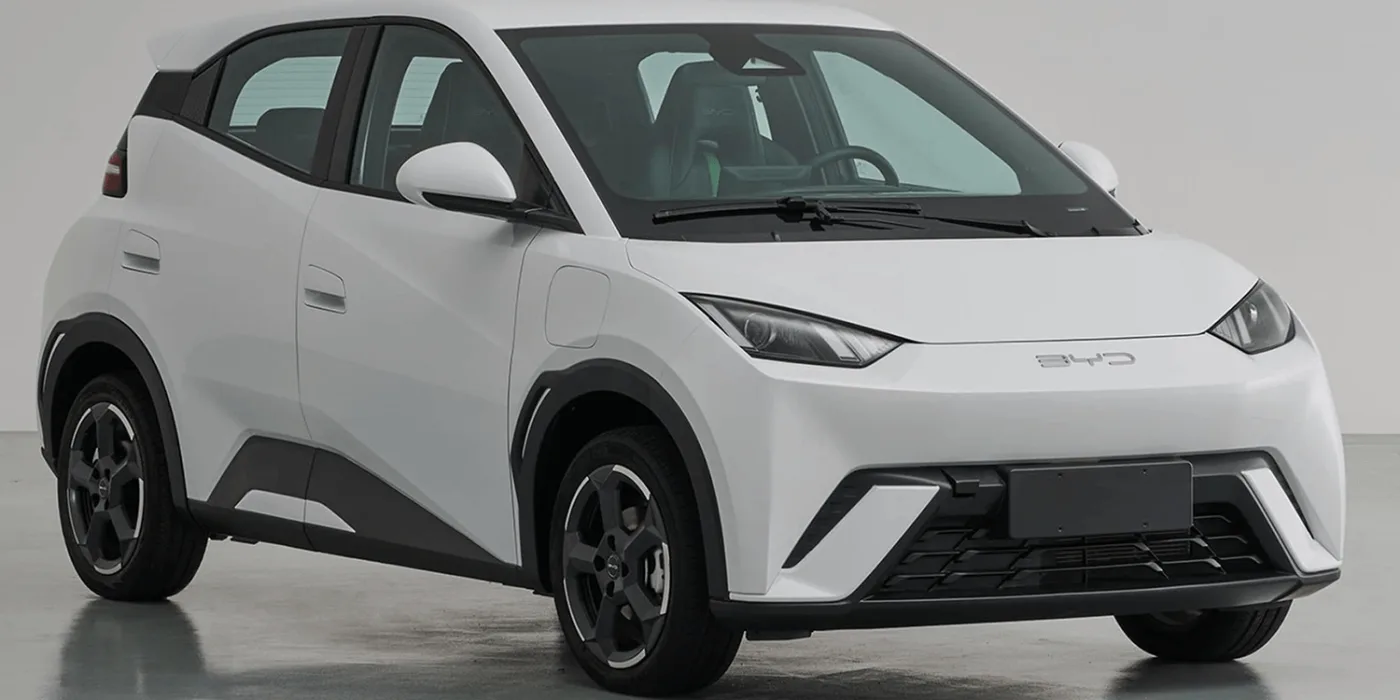
Leading the rankings was the BYD Atto 1, a compact city car positioned as Australia’s cheapest new electric vehicle. It is priced from just under A$28,000 drive-away.
The Atto 1 was followed by four other affordable electric vehicles:
- BYD Atto 2 small SUV — A$36,244 drive-away
- BYD Sealion 7 midsize SUV — A$60,210 drive-away
- BYD Dolphin hatchback — A$31,611 drive-away
- MG4 family hatchback — A$30,777 drive-away
The results show that consumers are exploring electric vehicles across several body styles, including compact city cars, hatchbacks and sport utility vehicles.
BYD claimed four of the five leading positions, highlighting the company’s growing influence in Australia’s increasingly competitive electric vehicle market.
Fuel prices push buyers toward electric cars
Interest in affordable electric vehicles rose sharply after instability in international oil markets placed pressure on fuel prices.
RACV recorded a 461% increase in electric vehicle searches on its Car Match website in March compared with February.
The surge followed the outbreak of conflict involving the United States, Israel and Iran, which disrupted the Strait of Hormuz and sent global oil prices higher.
The Strait of Hormuz is an important shipping route for global energy supplies. Disruptions affecting the waterway can quickly influence international oil markets and fuel prices in countries far from the Middle East.
Continuing instability in the oil sector has encouraged Australian motorists to examine alternatives to petrol and diesel vehicles.
The timing is also significant because the Australian government’s temporary fuel excise discount is ending as the tax undergoes its twice-yearly adjustment for inflation.
Together, these developments could increase pressure on household transport budgets and make electric cars more appealing to cost-conscious drivers.
Cost of living changes Australian car preferences
RACV head of policy James Williams said financial pressure was influencing what Australians wanted from their next vehicle.
Consumers are increasingly looking for value, modern technology, lower running costs and strong safety features, according to the motoring organization.
Ongoing pressure at fuel stations is also encouraging more drivers, particularly in Victoria, to consider switching to electric vehicles.
The search data points to a broader change in the Australian car market. Buyers who may previously have considered electric cars too expensive are now finding more models at prices closer to those of conventional vehicles.
Brands such as BYD and MG have played an important role in that shift by introducing lower-priced electric vehicles with competitive equipment and technology.
BYD strengthens its position in Australia
BYD’s strong performance across RACV’s rankings reflects the rapid expansion of its Australian product range.
The company now offers electric vehicles targeting several parts of the market.
The Atto 1 is aimed at buyers seeking an affordable and compact city vehicle. The Dolphin provides a practical hatchback option, while the Atto 2 appeals to customers who prefer a small SUV.
The larger Sealion 7 gives BYD a presence in the midsize SUV market, although its price is considerably higher than the other vehicles appearing in the top five.
Offering models at different prices allows BYD to reach customers with varying budgets and transport requirements.
Its dominance in online searches suggests that the brand is becoming increasingly familiar to Australian drivers despite being a relatively new competitor in the country.
MG4 remains a popular affordable option
The MG4 was the only non-BYD vehicle to appear among the five most searched models.
Priced from A$30,777 drive-away, the electric family hatchback remains one of the more affordable battery-powered cars available in Australia.
Its place in the rankings shows that competition is increasing in the lower-priced electric vehicle segment.
As more manufacturers introduce affordable electric vehicles, consumers are gaining a wider choice of designs, driving ranges and features.
This competition could also encourage companies to lower prices, improve standard equipment and expand charging support to attract buyers.
Affordable electric vehicles gain market share
Electric vehicles are taking a larger share of Australia’s new-car market.
Battery-electric models represented 21.7% of new vehicle sales in July. That followed a record market share of 23.5% in June.
When plug-in hybrid vehicles are included, electric cars account for approximately one-third of Australia’s new-car market.
Separate data from the Australian Automobile Association showed that electrified vehicles represented 49.16% of new-car sales during the second quarter of 2026.
That figure included battery-electric vehicles, plug-in hybrids and conventional hybrids.
The numbers demonstrate that vehicles using some form of electric power are moving closer to the center of Australia’s automotive market.
While conventional petrol and diesel vehicles remain important, electrified models are no longer a small or specialist category.
Running costs become a major selling point
The initial purchase price remains an important factor when choosing a vehicle. However, motorists are also paying closer attention to the total cost of ownership.
Electric vehicles can offer savings by reducing or removing the need to buy petrol or diesel. They may also have fewer moving mechanical components than traditional internal combustion vehicles.
Actual savings depend on several factors, including electricity prices, charging access, annual mileage, insurance, maintenance and the price paid for the vehicle.
Consumers who can charge at home may have a different ownership experience from drivers who rely mainly on public charging stations.
RACV Car Match allows buyers to compare estimated running costs alongside vehicle features and specifications. This makes it easier for motorists to evaluate whether a higher purchase price could be balanced by lower operating expenses.
For households facing rising fuel bills, those comparisons are becoming increasingly important.
Chinese brands reshape the Australian EV market
The popularity of BYD and MG shows how Chinese manufacturers are reshaping competition in Australia.
These brands have focused heavily on combining competitive prices with modern technology, safety equipment and electric powertrains.
Their expansion is placing pressure on established carmakers to offer more affordable electric options.
Previously, many electric vehicles were concentrated in premium price categories. New lower-cost models are making the technology accessible to a broader group of consumers.
The change could accelerate EV adoption, particularly among families, commuters and first-time new-car buyers who prioritize value for money.
However, long-term demand will also depend on charging infrastructure, vehicle availability, resale values and consumer confidence in newer brands.
Fuel uncertainty could accelerate the EV transition
Global oil prices have historically influenced the types of vehicles consumers choose.
When fuel remains affordable and stable, buyers may feel less urgency to move away from petrol-powered cars. When prices rise sharply, fuel efficiency and alternative power sources become more important.
Current uncertainty in international energy markets appears to be strengthening the financial argument for electric vehicles.
The end of Australia’s fuel excise discount may add further pressure by increasing the amount motorists pay at the pump.
For many buyers, switching to an EV could therefore become a decision based on household economics rather than environmental concerns alone.
What the search data means for Australia’s car market
Online searches do not always translate directly into completed vehicle purchases. Some consumers may be comparing models without intending to buy immediately.
However, search activity provides an early indication of changing interests and priorities.
The strong performance of BYD and MG shows that Australian motorists are actively researching affordable electric vehicles as potential replacements for petrol and diesel cars.
It also suggests that price remains one of the most important factors shaping EV demand.
As fuel costs rise and more competitively priced models enter the market, electric vehicles could continue gaining ground.
The growing interest in the BYD Atto 1, Atto 2, Dolphin, Sealion 7 and MG4 shows that consumers are no longer considering only premium electric cars.
Affordable electric vehicles are becoming central to purchasing decisions as Australians seek practical ways to manage transport expenses and protect household budgets from volatile fuel prices.