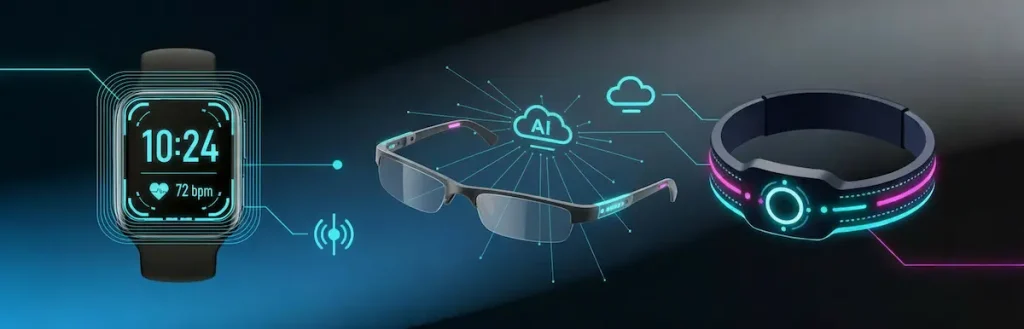
An AI wearable monitor under testing in the United States could help doctors detect postpartum hemorrhage before it becomes deadly. The new technology aims to improve maternal safety during childbirth and reduce emergency complications.
Doctors at Woman’s Hospital are currently testing the wearable device as part of a major clinical study. The hospital joined several other facilities participating in the nationwide research program.
Postpartum hemorrhage remains one of the leading causes of preventable maternal deaths worldwide. Doctors often struggle to predict which mothers may face dangerous bleeding after delivery. Researchers believe the AI wearable monitor could change that.
How the AI Wearable Monitor Works
The device, called Oli, comes from Australian healthcare technology company Baymatob. Medical staff place the wearable sensor on a mother’s abdomen during labor.
The monitor collects real-time data from both the mother and baby throughout childbirth. Artificial intelligence then analyzes the information and looks for signs linked to postpartum hemorrhage risk.
Researchers say the system can identify early signs of uterine fatigue. This condition may prevent the uterus from contracting properly after childbirth. Poor contractions can lead to severe bleeding.
Doctors involved in the study say the technology gives medical teams more time to prepare for emergencies. Hospitals can organize blood supplies, medication, and staff before complications worsen.
Why Postpartum Hemorrhage Is Dangerous
Postpartum hemorrhage can become life-threatening within minutes. Excessive bleeding after delivery often develops suddenly and without warning.
Medical experts say fast intervention saves lives. However, hospitals currently lack reliable tools that predict hemorrhage before symptoms appear.
The AI wearable monitor could help close that gap. Researchers want to use labor data to detect risk patterns earlier and improve patient outcomes.
Healthcare professionals believe predictive technology may become an important part of future maternity care.
Clinical Trials Continue Across the U.S.
Researchers plan to enroll about 1,000 women in the ongoing study. Several hospitals across the United States are participating in the trial.
Women who joined the study described the device as simple and comfortable. The monitor attaches during labor and does not interfere with childbirth procedures.
Doctors hope the trial will show how artificial intelligence can improve maternal care across different patient groups.
If the results remain positive, the developers plan to seek approval from the U.S. Food and Drug Administration later this year.
AI Could Transform Maternal Healthcare
Healthcare systems around the world continue adopting artificial intelligence tools. Hospitals already use AI for diagnostics, patient monitoring, and medical imaging.
Experts believe maternity care could benefit greatly from predictive systems like the AI wearable monitor. Earlier detection may help doctors prevent complications before they become critical.
Researchers also see potential for the technology in regions with high maternal mortality rates. Hospitals in underserved areas may benefit from tools that improve emergency response during childbirth.
As testing continues, doctors hope the AI wearable monitor will help make pregnancy and delivery safer for mothers everywhere.