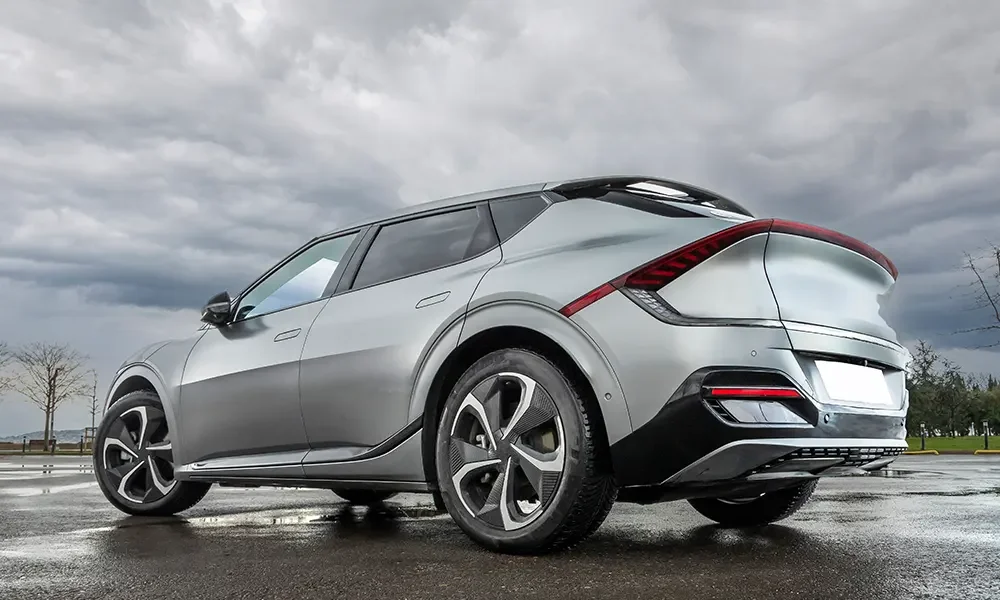
Australia EV sales surged again in April as electric vehicles and hybrids continued gaining ground while traditional petrol and diesel vehicles lost market share in one of the country’s biggest automotive transitions in decades.
New industry figures show battery electric vehicles accounted for nearly 17 percent of monthly new vehicle sales in April, setting another strong milestone for the country’s rapidly expanding EV sector. Plug-in hybrids and conventional hybrids also recorded significant growth, further accelerating the shift away from internal combustion engine vehicles.
Australia EV sales reshape the market
The latest data reveals that pure petrol and diesel vehicles now account for just over half of all new vehicle sales in Australia.
Industry analysts say the rapid rise of electric vehicles, hybrids, and plug-in hybrids is steadily eroding the dominance of traditional combustion-engine cars that once controlled the market almost entirely.
Battery electric vehicles have climbed sharply from near-zero market share in 2020 to the high teens in 2026, reflecting changing consumer preferences, government policy shifts, and broader global EV adoption trends.
The transformation is also being driven by rising fuel costs, increased EV model availability, and stronger environmental awareness among consumers and fleet buyers.
China becomes Australia’s biggest vehicle supplier
One of the most significant developments behind the Australia EV sales boom is China’s emergence as the country’s largest vehicle supplier.
China now accounts for roughly 28 percent of Australia’s vehicle market on a year-to-date basis, overtaking Japan, which had dominated Australian car imports for decades.
The report indicates the shift is not temporary but reflects a broader structural transformation in the automotive supply chain.
Chinese manufacturers have rapidly expanded their presence through competitive pricing, large-scale EV production, and aggressive investment in battery technology and electric vehicle platforms.
Brands such as BYD and other Chinese automakers have become increasingly visible in Australian showrooms as demand for affordable electric vehicles grows.
Japanese automakers lose ground
The changing Australia EV sales landscape has also exposed challenges facing traditional Japanese automakers.
While Chinese manufacturers accelerated full battery EV development, many Japanese companies focused more heavily on hybrid technologies and delayed broader rollout of fully electric models.
Industry observers say this strategic difference is now clearly visible in Australia’s market trends, where Chinese-made EVs are increasingly dominating new electric vehicle sales.
The shift reflects broader global competition in the automotive sector as countries and manufacturers race to secure leadership in electric mobility.
Fuel prices and policy accelerate EV growth
The report noted that rising fuel prices and Australia’s New Vehicle Efficiency Standard are also contributing to the changing market dynamics.
The country’s end-of-financial-year sales period, which traditionally boosted petrol and diesel vehicle purchases, may look very different in 2026 as more consumers and businesses turn toward lower-emission vehicles.
Tax incentives, including the continuation of fringe benefits tax exemptions for electric vehicles, are expected to further strengthen EV adoption among fleet operators and corporate buyers.
Industry experts believe the combination of government policies, global manufacturing trends, and changing consumer demand could permanently reshape Australia’s automotive market over the next several years.
Australia EV sales enter a new era
The April figures suggest Australia EV sales may be approaching a major turning point.
With one in every six new vehicles now fully electric and hybrid technologies rapidly expanding across the market, analysts say Australia is moving decisively toward broader vehicle electrification.
China’s growing dominance in vehicle supply also signals a major realignment in the global automotive industry, where leadership increasingly depends on battery technology, EV manufacturing scale, and access to advanced clean-energy infrastructure.
As electric vehicles continue gaining momentum, the traditional petrol and diesel era in Australia appears to be steadily losing ground.