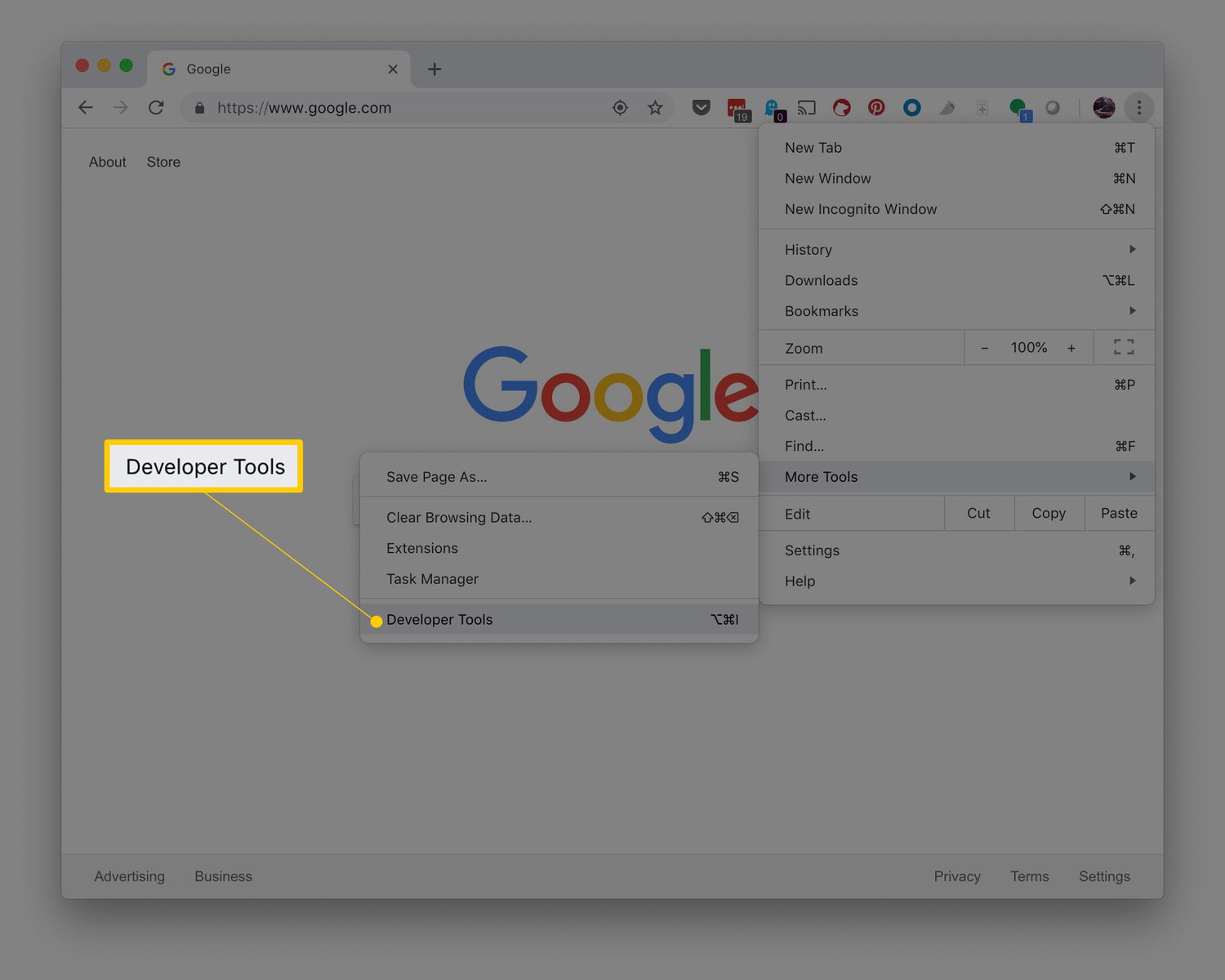
Chrome updates are about to arrive much faster for billions of users worldwide. Google has announced a major shift in the browser’s development schedule, reducing its release cycle from four weeks to just two.
The change means new Chrome updates will appear twice as often, bringing quicker improvements in performance, usability and stability. The company says the accelerated pace will help the browser keep up with the rapid evolution of web technologies and user expectations.
With nearly three billion users across desktop and mobile devices, Chrome remains the most widely used browser in the world.
Chrome updates accelerate amid AI browser competition
The decision to accelerate Chrome updates comes as new AI powered browsers begin to enter the market. Tools such as Atlas from OpenAI and Comet from Perplexity have introduced new ways of interacting with the web through conversational interfaces.
While Google did not directly mention these competitors in its announcement, industry analysts see the move as a clear signal that the company intends to protect Chrome’s leadership in the browser market.
By shortening the development cycle, Google can introduce new features and refinements more quickly while maintaining the browser’s existing weekly security patches.
Recent Chrome updates show rapid development
Chrome updates have already delivered several major features in recent months. In February, Google introduced a split view feature designed for users working on single screen setups.
The browser also gained built in tools for highlighting PDF files and a convenient one click Save to Drive option.
At the same time, engineers continued strengthening Chrome’s security framework. Several fixes targeted vulnerabilities discovered within the browser’s memory cache system.
These changes demonstrate the increasing pace of innovation inside the Chrome ecosystem.
Chrome updates support dominant market share
Chrome updates play a key role in maintaining Google’s dominance in the browser market.
According to data from StatCounter, Chrome holds roughly 69 percent of global browser market share across devices. On mobile platforms alone, the browser controls about 65 percent of usage.
Industry estimates suggest around 2.8 billion people rely on Chrome on their smartphones.
Because of this massive user base, even small updates to Chrome can affect how billions of people experience the internet.
Chrome updates influence the wider browser ecosystem
Chrome updates also shape the development of many other browsers.
Google maintains Chromium, the open source project that forms the foundation of numerous alternative browsers. Platforms such as Microsoft Edge, Brave, Opera and Vivaldi rely on Chromium for core functionality.
The rendering engine, extension system and browser security architecture used by these platforms often follow Google’s development roadmap.
As a result, improvements delivered through Chrome updates frequently ripple across the broader web browser ecosystem.
AI browsers challenge traditional browsing habits
Despite Chrome’s dominance, new AI driven browsers are exploring alternative approaches to online navigation.
OpenAI introduced its Atlas browser last year, launching it during a period when ChatGPT usage was rapidly expanding. At that time, ChatGPT had reached about 800 million active users.
Around the same period, Perplexity launched its Comet browser after a strong beta testing phase that attracted millions of signups.
Both browsers are also built on Chromium, meaning they rely on the same technical foundation as Chrome while adding AI assistants as the primary interface.
Even so, most interactions with tools like ChatGPT and Perplexity still occur through websites and mobile apps rather than dedicated browsers.
Chrome updates reflect shifting web behavior
The rapid schedule for updates reflects a broader shift in how people interact with online information.
Artificial intelligence is beginning to reshape the browsing experience. Conversational interfaces may eventually replace many traditional search and navigation tasks.
Technology companies are therefore racing to redesign browsers for a future where AI plays a central role in discovering information online.
For now, Chrome remains the clear leader. However, faster Chrome updates suggest Google is preparing for an increasingly competitive era in web browsing.