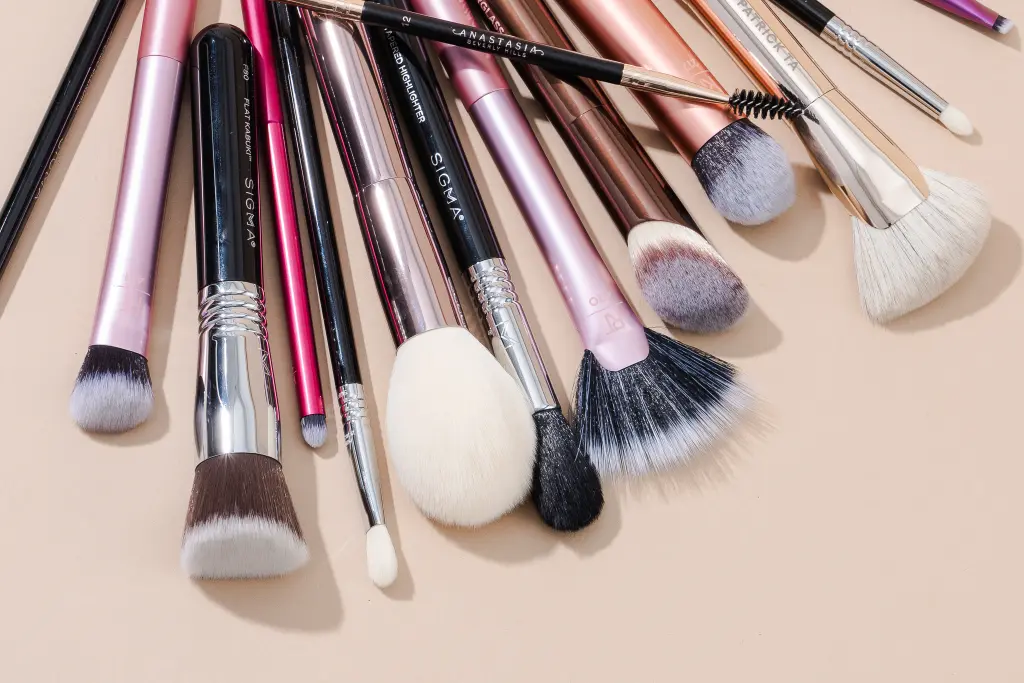
Clean Makeup Brushes are not just about better makeup results. They are essential for healthy skin. While most people follow a cleaning routine for their homes, many forget about the tools they use on their faces every day. Makeup brushes collect leftover product, oil, dead skin cells, and bacteria. If you do not clean them regularly, those impurities transfer directly back onto your skin.
Professional makeup artists agree that clean tools are the foundation of flawless application. Beyond aesthetics, hygiene plays a major role. Dirty brushes can clog pores, trigger breakouts, and cause irritation. If you invest in quality skincare and cosmetics, maintaining clean brushes should be part of your routine.
Why You Must Clean Makeup Brushes Regularly
Makeup brushes trap more than just pigment. Every time you dip into foundation, blush, or eyeshadow, residue builds up in the bristles. Over time, oil and bacteria accumulate. That buildup not only affects your skin but also impacts how your makeup applies.
When you clean makeup brushes consistently, you improve performance. Clean bristles blend products smoothly and evenly. They also extend the lifespan of your tools. Well-maintained brushes can last for years, while neglected ones shed, lose shape, and develop unpleasant odors.
How Often to Clean Makeup Brushes
The frequency depends on how often you use them, but general guidelines help:
Foundation and concealer brushes should be washed once a week.
Powder and blush brushes can be cleaned every two weeks.
Eye brushes need washing every two to three uses.
Lip brushes require cleaning after each use.
Beauty sponges should be washed after every application and replaced every three months.
If brushes begin to shed excessively or smell unpleasant even after cleaning, it may be time to replace them.
Best Method to Clean Makeup Brushes with Soap
Using soap is the most effective way to deeply clean makeup brushes. This method removes product buildup, oil, and dirt while keeping bristles soft.
What You Need:
Warm water
Mild baby shampoo, castile soap, or brush cleanser
Silicone mat or clean washcloth
Microfiber towel
Steps:
Wet only the bristles with lukewarm water. Avoid soaking the handle, as hot water can loosen glue.
Apply a small amount of cleanser and gently lather.
Swirl the brush on a silicone mat or cloth to lift residue.
Rinse thoroughly until the water runs clear.
Squeeze out excess water, reshape the bristles, and blot with a microfiber towel.
Lay flat to dry with the bristles hanging slightly over the edge of a counter for airflow.
Never stand brushes upright to dry. Water can seep into the base and weaken the adhesive.
Quick Method to Clean Makeup Brushes with Sanitizer
If you are short on time, sanitizer offers a temporary solution. However, it should not replace a deep clean.
Rinse bristles under lukewarm water.
Spray a sanitizer containing at least 70 percent alcohol onto the bristles from a short distance.
Wipe handles with antibacterial wipes.
Allow brushes to air dry completely.
This method reduces surface bacteria but does not remove deep buildup.
Daily Method to Clean Makeup Brushes Fast
For daily maintenance, use a commercial brush cleanser spray.
Spray cleanser onto a clean towel rather than directly onto the brush.
Gently swirl the brush on the towel until residue transfers.
Reshape the bristles.
Lay flat to dry.
This quick step keeps brushes fresh between deep washes.
The Skin Benefits of Clean Makeup Brushes
Clean Makeup Brushes help prevent acne, irritation, and clogged pores. They also ensure accurate color payoff and smoother blending. Most importantly, they protect your skin barrier.
Think of brush cleaning as part of your skincare routine. Just as you cleanse your face daily, your tools deserve regular attention. With consistent care, you will notice clearer skin, better makeup results, and longer-lasting brushes.
A few minutes of maintenance each week can make a visible difference. Clean tools are not optional. They are essential for healthy, glowing skin.