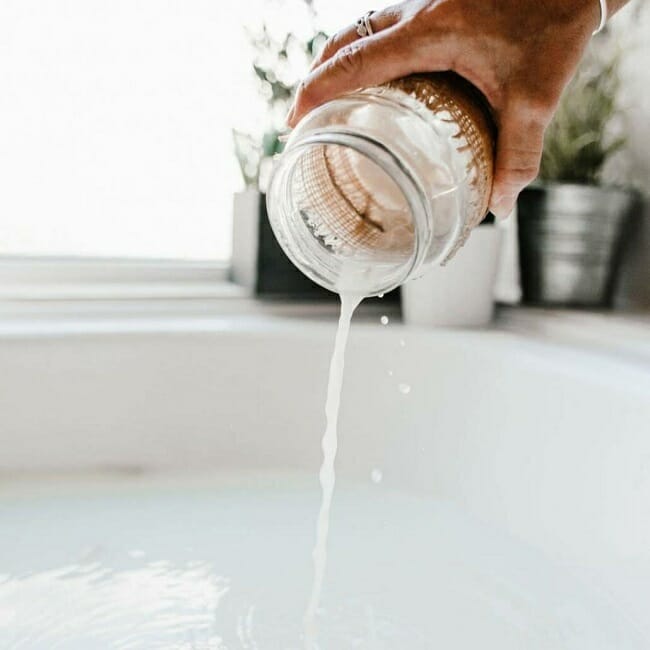
Oatmeal Bath remedies have been trusted for generations to calm dry, irritated skin. While oatmeal is often associated with breakfast, it also delivers powerful skin-soothing benefits. Dermatologists regularly recommend oatmeal baths for people dealing with eczema, sunburn, psoriasis, and seasonal dryness. When prepared correctly, an oatmeal bath can hydrate, reduce inflammation, and protect the skin barrier.
Unlike regular oats sprinkled into water, an effective Oatmeal Bath uses colloidal oatmeal. This finely ground form dissolves in water, creating a milky solution that coats and nourishes the skin. The result is immediate comfort for itchy or inflamed skin without harsh chemicals.
Why an Oatmeal Bath Works for Dry and Itchy Skin
Colloidal oatmeal contains beta-glucan, starches, antioxidants, and anti-inflammatory compounds. These natural components help form a protective barrier over the skin. That barrier locks in moisture and prevents further dryness.
Dermatologists explain that oatmeal acts as an emollient. It softens rough patches and reduces irritation. Because it also has antioxidant properties, it can soothe sunburn and environmental damage.
Many studies support the anti-inflammatory effects of oatmeal. It is often recommended for eczema and psoriasis because it helps calm redness and itching. Some research also suggests oatmeal has mild antifungal and prebiotic properties, which support a healthy skin microbiome.
How to Make Colloidal Oatmeal at Home
You do not need to buy expensive bath products to enjoy the benefits of an Oatmeal Bath. You can easily create colloidal oatmeal using plain oats from your kitchen.
Start with regular rolled oats. Use a blender, food processor, or coffee grinder to grind them into a very fine powder. The texture should resemble flour. To test it, stir a spoonful into warm water. If it dissolves and turns the water milky without sinking, it is ready to use.
Store your homemade colloidal oatmeal in an airtight container for future baths.
How to Prepare an Oatmeal Bath Properly
Making an Oatmeal Bath is simple and requires only a few steps:
Fill your bathtub with lukewarm water. Avoid hot water because it can worsen dryness and irritation.
Add about one cup of colloidal oatmeal under running water to help it disperse evenly.
Stir the water gently to ensure the powder dissolves completely.
Soak for 10 to 15 minutes.
After bathing, gently pat your skin dry with a soft towel.
Apply a moisturizer immediately to lock in hydration.
Do not soak for too long. Extended bathing can strip moisture from the skin and reverse the benefits.
What to Avoid During an Oatmeal Bath
Keep the bath simple. Dermatologists advise against adding essential oils, fragrances, or bubble bath products. These can irritate sensitive skin and trigger contact dermatitis.
Also, avoid very hot water. While hot baths may feel relaxing, they can increase inflammation and dryness.
For best results, follow your Oatmeal Bath with a gentle, fragrance-free moisturizer to seal in hydration.
Who Benefits Most from an Oatmeal Bath
An Oatmeal Bath is especially helpful for people with eczema, psoriasis, dry winter skin, mild sunburn, or allergic rashes. It is gentle enough for children and adults when used properly.
Because oatmeal is generally well tolerated, it is a safe option for sensitive skin types. However, anyone with a known oat allergy should avoid this treatment.
Final Thoughts on Using an Oatmeal Bath
An Oatmeal Bath offers a natural, affordable way to soothe irritated skin at home. With its ability to hydrate, calm inflammation, and support the skin barrier, it remains one of the most dermatologist-recommended remedies for itchy skin.
By using finely ground colloidal oatmeal and lukewarm water, you can create a simple spa-like treatment that nourishes and protects your skin. Consistent care and proper moisturizing after the bath will help maintain long-lasting relief and comfort.