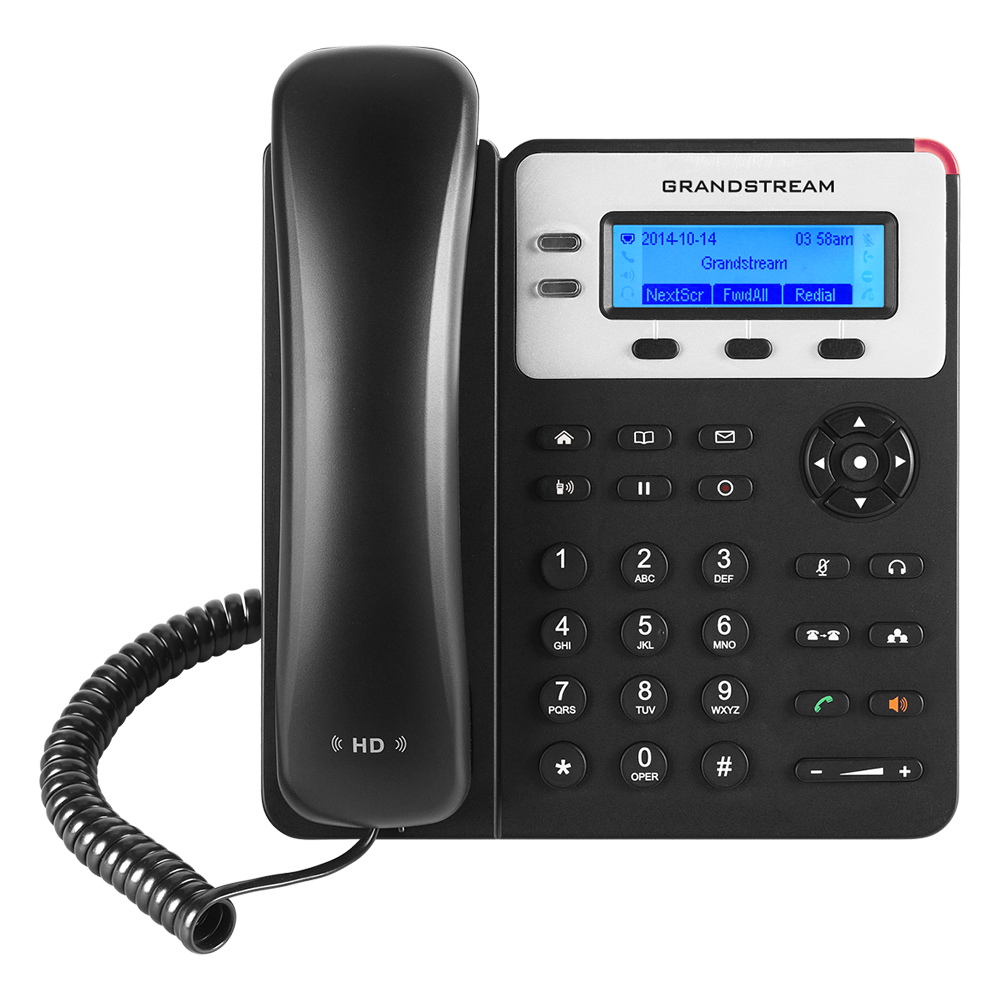
A newly discovered security flaw in popular Grandstream VoIP desk phones is putting businesses on alert. Security researchers have uncovered a vulnerability, tracked as CVE-2026-2329, that could allow attackers to quietly take control of affected devices and even intercept phone calls.
For many small offices and corporate environments, these phones are everyday infrastructure. They sit on desks, connect to internal networks, and rarely draw attention. That’s exactly why this issue matters.
What’s the Problem?
The vulnerability exists in the phone’s web-based management interface. In simple terms, it’s a flaw in how the device handles certain web requests. By sending a specially crafted request, an attacker can trigger a buffer overflow and potentially execute code remotely.
What makes this particularly serious is that it does not require authentication. If the management interface is accessible, either directly from the internet or from somewhere inside the network, an attacker may not need login credentials to exploit it.
With successful exploitation, an attacker could gain root-level access to the device. That means full control.
What Could an Attacker Do?
Once inside, the possibilities expand quickly. Researchers demonstrated that attackers could:
- Extract stored credentials, including SIP and local user accounts
- Reconfigure the device settings
- Redirect calls through a malicious SIP proxy
- Intercept and listen to phone conversations
Because VoIP phones are usually trusted devices within corporate networks, they can serve as quiet, long-term footholds. Unlike laptops or servers, they are not always monitored closely, and firmware updates may be infrequent.
That combination of trust and low visibility makes them attractive targets.
Who Is Affected?
The flaw impacts the entire Grandstream GXP1600 series, including models such as:
- GXP1610
- GXP1615
- GXP1620
- GXP1625
- GXP1628
- GXP1630
Firmware versions 1.0.7.79 and earlier are vulnerable. The issue has been addressed in version 1.0.7.81.
These devices are widely used in small and medium-sized businesses, as well as larger corporate deployments. Some organizations expose management interfaces for remote administration, which increases the risk.
Why This Deserves Attention
Technical details about the vulnerability are publicly available, and exploit modules have already been developed for testing frameworks. While exploitation still requires skill, the availability of tools lowers the barrier significantly.
The bigger concern is not just immediate disruption. It’s silent persistence. A compromised VoIP phone could remain in place for months without detection, especially in networks that lack segmentation or strict device monitoring.
In environments handling sensitive client calls or confidential internal discussions, that risk becomes even more serious.
What Should Organizations Do?
If you’re using affected Grandstream models, the most important step is straightforward: update to firmware version 1.0.7.81 or later as soon as possible.
In addition, consider the following precautions:
- Avoid exposing VoIP management interfaces to the public internet
- Restrict administrative access to trusted internal networks only
- Segment VoIP systems from core infrastructure
- Include IP phones in routine security audits
VoIP devices often feel like background equipment. However, as this vulnerability shows, even a desk phone can become an entry point into a larger network.
Staying current on firmware and tightening network controls may not be glamorous tasks, but they remain some of the most effective defenses against quietly escalating threats.