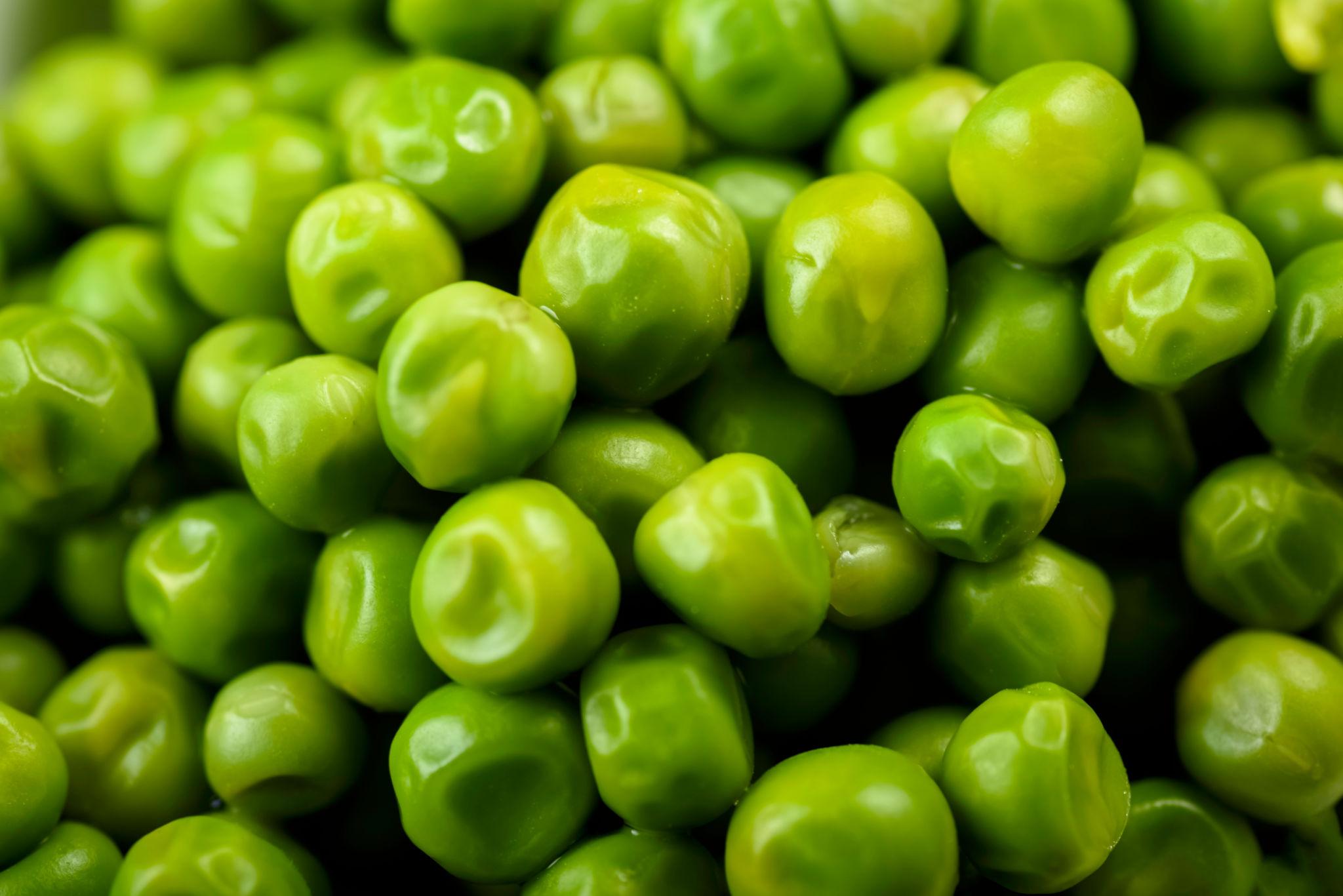
The health benefits of peas are often overlooked, yet this small green vegetable is packed with nutrients that support digestion, energy levels, and overall wellness.
Peas are widely used in soups, salads, rice dishes, and stir-fries. Despite their modest size, nutrition experts say they contain an impressive combination of fiber, protein, vitamins, and antioxidants. These nutrients make peas a valuable addition to a balanced diet.
Health Benefits of Peas for Protein and Fiber
One of the key health benefits of peas is their protein and fiber content. A single cup of peas can contain about four to eight grams of plant-based protein.
This amount is similar to the protein found in some animal-based foods, making peas a helpful option for people who want to increase plant protein in their diet.
Peas are also rich in fiber. A cup provides nearly nine grams, which supports digestion and helps keep you feeling full for longer periods. Nutritionists say this combination of fiber and protein may help with weight management by reducing the urge to snack between meals.
Health Benefits of Peas for Digestive Health
Another important aspect of the health benefits of peas involves gut health. The fiber found in peas feeds beneficial bacteria in the digestive system.
These bacteria help maintain a healthy gut environment, which is essential for nutrient absorption and immune support.
Compared with some other legumes, peas may also be easier for some people to digest because they contain lower amounts of certain fermentable carbohydrates that can cause bloating.
Health Benefits of Peas for Heart Health
The health benefits of peas also extend to cardiovascular health. The soluble fiber in peas helps reduce levels of LDL cholesterol, often called “bad” cholesterol.
When soluble fiber binds to cholesterol in the digestive system, it reduces the amount absorbed into the bloodstream. This process can contribute to improved heart health.
Peas also contain magnesium and potassium, two minerals that help regulate blood pressure and support healthy blood vessels.
Health Benefits of Peas From Antioxidants
Peas are rich in antioxidants that protect the body from oxidative stress and inflammation.
They contain vitamins such as vitamin C, vitamin K, and vitamin E, along with folate and zinc. These nutrients support immune function, cell growth, and bone health.
Peas also contain plant compounds including flavonoids, carotenoids, and polyphenols. These compounds help neutralize harmful free radicals that can damage cells.
Carotenoids such as lutein and zeaxanthin are especially important for eye health. They help protect the eyes from blue light and may reduce the risk of age-related vision problems.
Health Benefits of Peas Compared With Processed Alternatives
Pea protein has become popular in modern food manufacturing and is often used in plant-based meat alternatives, dairy-free beverages, and snack products.
While these foods can provide protein, nutrition experts say whole peas often contain a broader range of nutrients.
Fresh or frozen peas generally deliver more vitamins, minerals, and fiber than highly processed pea-based ingredients.
Health Benefits of Peas and the Best Ways to Eat Them
The health benefits of peas can be enjoyed in many different dishes.
They can be lightly sautéed with garlic and olive oil for a simple side dish. Peas also add flavor and texture to stir-fries, pasta meals, rice dishes, and soups.
Some cooks blend peas into sauces, dips, or pesto-style spreads for extra nutrition. Others roast peas with seasoning to create crunchy snacks.
Frozen peas are often just as nutritious as fresh ones because they are usually frozen shortly after harvest. This process helps preserve vitamins that might otherwise be lost during transport and storage.
Adding peas to regular meals is a simple way to increase plant-based protein, fiber, and antioxidants while enhancing the color and flavor of everyday dishes.