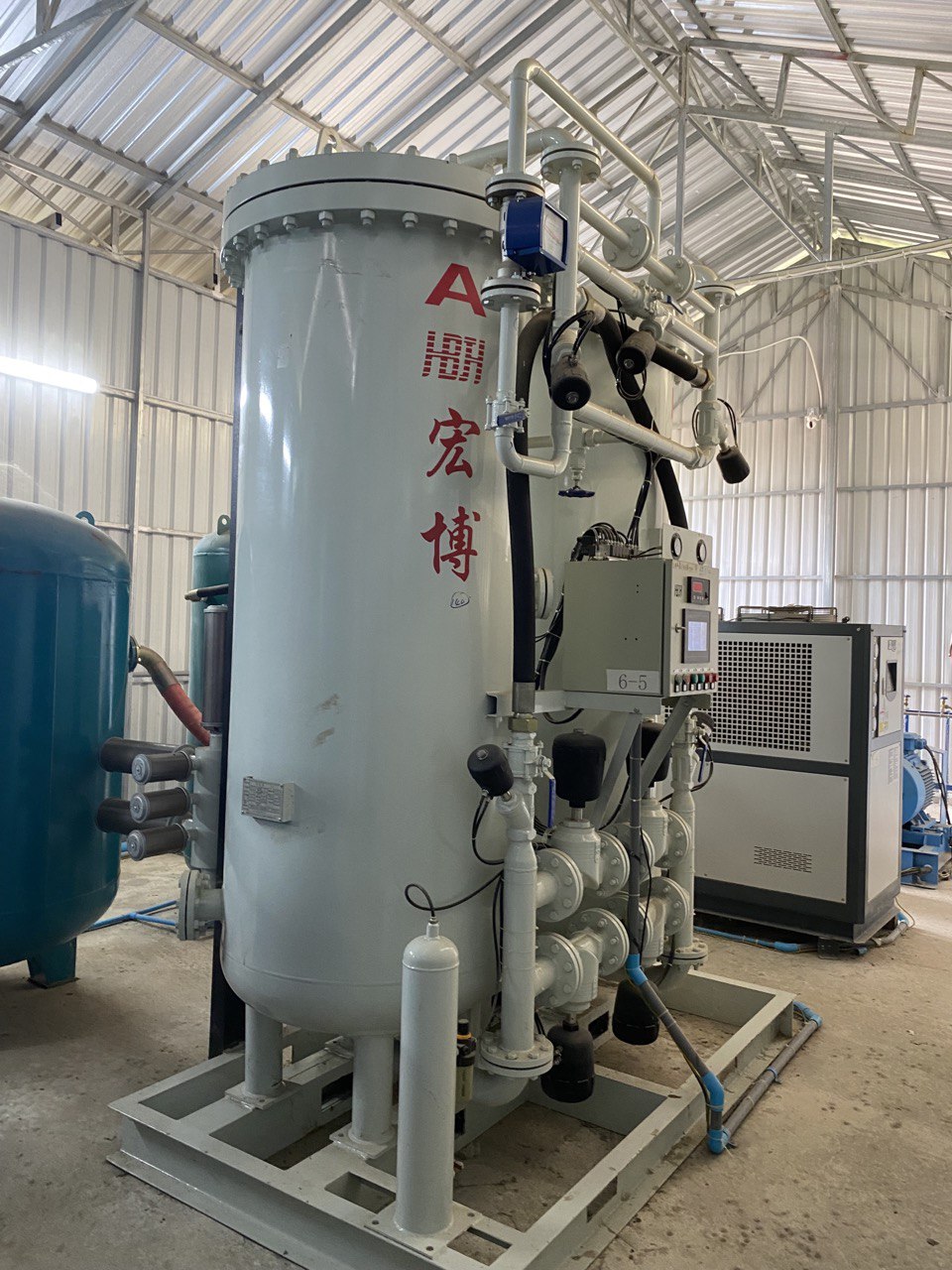
The INNOVATE oxygen project has officially launched, aiming to close one of global health’s most persistent gaps: access to reliable medical oxygen. Backed by Unitaid and led by PATH, the four-year initiative will test next-generation oxygen technologies and sustainable delivery models in India, Kenya, Malawi, Nigeria, and Senegal.
The INNOVATE oxygen project focuses on practical, scalable solutions for low- and middle-income countries where millions of patients still lack access to lifesaving oxygen therapy. Despite its critical role in treating pneumonia, sepsis, malaria, trauma, and supporting safe surgery, oxygen remains unavailable to many who need it most.
Why the INNOVATE Oxygen Project Matters
Medical oxygen is essential for survival in many emergencies and routine hospital procedures. Yet only about 30 percent of patients in low- and middle-income countries who require oxygen receive it. This shortage contributes to an estimated nine million deaths annually, including 1.6 million children under five.
The INNOVATE oxygen project addresses not just supply gaps but also system weaknesses. Oxygen plants are expensive to install and maintain. Spare parts are often unavailable. Financing for upkeep is limited. When systems fail, patients are left without critical care.
By combining innovative technology with sustainable business models, the INNOVATE oxygen project aims to create dependable oxygen ecosystems rather than temporary fixes.
NASA-Inspired Technology at the Core
One of the most promising tools in the INNOVATE oxygen project is a ceramic-based oxygen generator originally developed by NASA for use in space. Adapted for hospital settings, the device extracts high-purity oxygen from ambient air using heated ceramic components.
This technology could prove more reliable and easier to maintain than traditional pressure swing adsorption (PSA) plants. The project will compare its performance against PSA systems and liquid oxygen supply models currently used in hospitals.
If successful, the NASA-inspired generator may offer a practical alternative for facilities with limited technical capacity.
Simplifying Oxygen Infrastructure
The INNOVATE oxygen project also tackles infrastructure challenges. Installing hospital oxygen piping can be complex and costly, particularly when using rigid copper pipes.
The initiative will test flexible corrugated medical tubing as a simpler alternative. New connection systems, such as axially swaged fittings that use mechanical compression instead of flame welding, could reduce installation time and labor demands.
These changes aim to lower costs and expand bedside oxygen access more efficiently.
Building Sustainable Business Models
Technology alone will not solve the oxygen crisis. The INNOVATE oxygen project includes partnerships with local firms to test scalable business models.
These models will focus on strengthening spare parts supply chains, extending equipment lifespan, expanding cylinder and mini-tank distribution, and supporting outsourced plant maintenance.
The project will also generate evidence to guide regulatory approvals, pricing strategies, and commercialization plans. This ensures that successful technologies can scale without undermining existing infrastructure investments.
Community Engagement and Advocacy
A unique feature of the INNOVATE oxygen project is its emphasis on community involvement. The initiative will establish the first community advisory board dedicated to medical oxygen.
It will also support locally led civil society coalitions to advocate for improved oxygen access. This approach ensures that solutions respond to real needs and remain functional long after pilot phases conclude.
Consortium Driving the INNOVATE Oxygen Project
The INNOVATE oxygen is funded by Unitaid and led by PATH. The consortium includes Build Health International, the Global Health Informatics Institute, the India Institute of Technology, Karolinska Institute, the Kenya Medical Research Institute, and Oxygen for Life.
Together, these partners bring expertise in engineering, clinical research, health systems strengthening, and market development.
A Step Toward Health Equity
Unitaid and PATH emphasize that innovation must be shaped for equitable access. Reducing risk, lowering costs, and ensuring sustainability are central to the INNOVATE oxygen project’s mission.
By combining breakthrough science with practical delivery strategies, the initiative aims to transform oxygen access from a fragile service into a dependable component of healthcare systems.
If successful, the INNOVATE oxygen project could save millions of lives and bring the world closer to closing one of global health’s most urgent gaps.