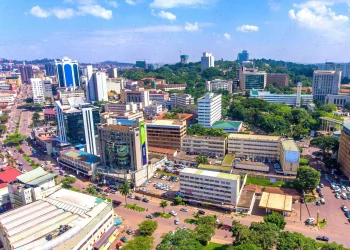
Uganda, often hailed as the “Pearl of Africa,” is a country filled with natural beauty, rich cultural heritage, and a rapidly growing economy. For expatriates, Uganda offers a unique experience where they can enjoy a blend of modern amenities, a relaxed lifestyle, and the charm of a country with deep roots in tradition. From its vibrant cities to its serene countryside, Uganda is an attractive destination for those looking to live and work in East Africa.
In this guide, we’ll explore what it’s like to live in Uganda as an expat, providing an overview of local culture, lifestyle, and practical tips for settling into life in this diverse and dynamic country.
1. Understanding Ugandan Culture and Traditions
Uganda is home to over 56 ethnic groups, each with its own distinct culture, language, and traditions. The country’s rich cultural diversity is reflected in its music, dance, food, and festivals, making it a fascinating place to live for expats looking to immerse themselves in a unique cultural experience.
Key Aspects of Ugandan Culture:
- Respect for Elders: In Ugandan society, respect for elders is a fundamental value. It’s customary to greet older people first and show deference in conversation and actions.
- Hospitality: Ugandans are known for their hospitality and generosity. It’s not uncommon for neighbors to invite you to their homes for tea or meals, and it’s considered polite to accept such invitations when offered.
- Traditional Music and Dance: Music plays a significant role in Ugandan culture, with each ethnic group having its unique style of music and dance. The Bakiga, Baganda, and Basoga are just a few of the groups with rich musical traditions that can be experienced at local festivals or community events.
Language
While English is the official language and widely spoken in urban areas, Uganda is home to over 40 languages, including Luganda, Runyankore, and Lusoga. As an expat, you’ll likely find it helpful to learn a few words in the local language of the region you’re living in to connect more easily with locals.
2. Daily Life as an Expat in Uganda
Living in Uganda offers a unique blend of modern conveniences and rural charm. Whether you’re living in the bustling capital, Kampala, or a quieter city like Entebbe or Jinja, there are certain aspects of daily life that every expat should be aware of to make the most of their time in Uganda.
Housing and Accommodation
Accommodation in Uganda is generally affordable by international standards, particularly when compared to cities in Europe or North America. In Kampala, you’ll find a wide range of housing options, from apartments in modern buildings to traditional homes with shared compounds. If you’re looking for more space and a peaceful setting, suburban areas or smaller towns like Mbarara or Fort Portal offer excellent options.
- Rent: Rent for a 1-bedroom apartment in Kampala typically ranges from $300 to $600 per month, while larger homes can cost significantly more depending on location and amenities.
- Utilities: Utility costs, including electricity, water, and internet, are generally affordable, but can vary depending on your usage and area of residence.
Transportation
Public transportation in Uganda consists mainly of matatus (shared minibuses), boda-bodas (motorcycle taxis), and taxis. In Kampala, traffic can be heavy, especially during rush hour, and it’s often quicker to travel by boda-boda than by car. If you prefer more comfort and privacy, ride-hailing apps like Bolt and Uber are available, making it easy to get around.
For longer journeys, Uganda has a good network of buses connecting major cities and towns. However, many expats prefer to drive their own car, especially if they live outside the city, to have more flexibility and comfort.
3. Cost of Living in Uganda
One of the main reasons why Uganda is an attractive destination for expatriates is its relatively low cost of living compared to many Western countries. The overall cost will depend on your lifestyle and where you choose to live, but Uganda remains affordable, especially when it comes to food and accommodation.
Affordable Living:
- Food: Local food is inexpensive, with staples like matoke (plantains), posho (maize meal), and beans being commonly found in most Ugandan households. Eating out at local restaurants and street food stalls can cost as little as $2 to $4 per meal. Imported goods, especially in supermarkets, are more expensive, with prices for packaged food items similar to those in Western countries.
- Utilities: Monthly utility bills, including electricity, water, and internet, typically range from $40 to $80 depending on your consumption.
- Transportation: Local transport is cheap, with rides in matatus costing as little as $0.30 to $1 per trip.
Dining Out:
If you prefer dining at mid-range or international restaurants, expect to pay more, with meals ranging from $10 to $20 per person. International fast food chains are also available in major cities, with prices similar to what you would pay in the West.
4. Health and Safety in Uganda
Healthcare in Uganda is a mix of public and private options. While major cities like Kampala have private clinics and hospitals that offer decent medical care, the public healthcare system often faces challenges like inadequate resources and infrastructure. As an expat, it’s recommended to have private health insurance or international coverage to ensure access to high-quality care.
Health Insurance
Health insurance for expatriates can cost anywhere from $50 to $150 per month, depending on the coverage and provider. Major hospitals like International Hospital Kampala (IHK) and Nakasero Hospital are popular among expatriates and provide good medical services.
Safety
Uganda is generally considered a safe destination for expatriates, especially in urban areas like Kampala and Entebbe. However, as with any major city, it’s important to remain cautious in crowded areas and avoid walking alone at night. In rural areas, it’s advisable to check with local authorities or your embassy for any safety concerns.
5. Social Life and Entertainment
Living in Uganda offers plenty of opportunities to enjoy local culture, music, and entertainment. Kampala, the heart of Uganda’s social scene, is home to a wide range of restaurants, bars, nightclubs, and live music venues. The city also hosts various cultural events, including Uganda Martyrs Day, Kampala City Festival, and local music festivals.
For outdoor lovers, Uganda offers a variety of adventure activities such as white-water rafting on the Nile River, hiking in the Rwenzori Mountains, and wildlife safaris in Queen Elizabeth and Murchison Falls National Park.
Living in Uganda as an expat offers a unique experience that combines the beauty of African nature with the warmth and hospitality of its people. While the cost of living is relatively low, expatriates can still enjoy a comfortable lifestyle, especially in urban areas like Kampala and Entebbe. From affordable accommodation and transportation to rich cultural experiences and opportunities for adventure, Uganda is a country that offers something for everyone.
With a welcoming environment, beautiful landscapes, and an affordable cost of living, Uganda is an excellent destination for expatriates looking for a new home in Africa. Embrace the opportunity to experience the country’s culture, cuisine, and natural wonders, while also contributing to its growth and development.