Uganda, known as the “Pearl of Africa,” is a country rich in culture, traditions, and natural beauty. With over 56 ethnic groups, Uganda is one of the most diverse countries in Africa, each group contributing its own language, customs, and way of life. From the vibrant music and dance scenes to the rich culinary traditions, Uganda offers a unique cultural experience that is both captivating and welcoming.
In this article, we will explore the key aspects of Ugandan culture, focusing on traditions, food, and lifestyle. Whether you’re a visitor planning to explore Uganda or a resident eager to learn more about the country’s diverse heritage, this guide will provide valuable insights into the Ugandan way of life.
1. Traditional Ugandan Customs and Practices
Uganda’s cultural diversity is one of its greatest strengths. The country is home to a wide array of ethnic groups, each with distinct traditions, languages, and belief systems. Despite their differences, these groups share common values, such as respect for elders, hospitality, and community ties. Below are some key elements of traditional Ugandan culture:
Respect for Elders
In Uganda, respect for elders is a fundamental cultural value. Elders are highly regarded in Ugandan society, and their wisdom is sought after in community decision-making. It is customary to greet older people first, address them with respect, and follow their guidance in matters of importance. This tradition is observed in both rural and urban areas.
Traditional Clothing
Ugandans traditionally wear clothing made from local fabrics, with styles varying by ethnic group. Kitenge (colorful African fabric) and Batik are commonly worn for both everyday wear and special occasions. In some regions, women wear the gomezi, a traditional dress, while men may wear kanzu, a long white garment often paired with a hat.
Rites of Passage
Many Ugandan ethnic groups place a strong emphasis on rites of passage, marking important milestones in a person’s life. These rites often include ceremonies such as circumcision, coming-of-age rituals, and marriage celebrations. These ceremonies are integral to Ugandan society and reflect the cultural importance of family, community, and tradition.
2. Ugandan Cuisine: A Feast of Flavors
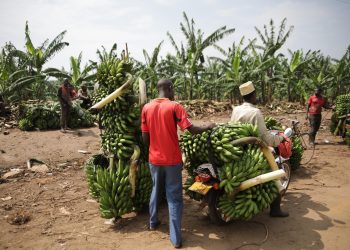
Ugandan food is diverse, reflecting the country’s variety of ethnic groups and agricultural practices. Staples such as matoke (plantains), posho (maize meal), and beans form the foundation of many Ugandan meals. The country’s culinary traditions are rooted in the use of locally grown ingredients, with a strong emphasis on natural, organic food.
Staple Foods
- Matoke (Plantains): This is a common dish in Ugandan households, often boiled or fried and served with vegetables, meat, or beans.
- Posho: A popular dish made from maize flour, posho is similar to polenta and is served with a variety of stews.
- Beans: Beans are a staple in Ugandan cuisine, often prepared with spices and served alongside matoke or posho.
Meat and Fish Dishes
Ugandans also consume various meats, with chicken, goat, and beef being common in many households. Luwombo, a traditional Ugandan dish, is made by cooking chicken, beef, or fish in a banana leaf with vegetables, spices, and palm oil.
- Fish from Lake Victoria: Uganda’s proximity to Lake Victoria means that fish, particularly Nile perch, is a staple food. It is often fried, grilled, or served in stews.
Street Food
Ugandan street food is an essential part of the country’s food culture. Some of the popular street food items include:
- Rolex: A delicious Ugandan snack made by wrapping a fried egg, vegetables, and sometimes meat in a flatbread, similar to a burrito.
- Chapati: A type of flatbread that is often served with stews or used as a wrap for meat and vegetables.
Beverages
In Uganda, you will find a variety of traditional beverages, such as ajon (a local millet beer) and palm wine, which is often served during celebrations and special occasions. Tea and coffee, grown locally, are also popular and enjoyed daily.
3. Ugandan Lifestyle: Living in Harmony with Nature
Uganda’s lifestyle is deeply intertwined with the environment. Many Ugandans live close to nature, with agriculture being the main source of livelihood for a significant portion of the population. The lifestyle of Ugandans varies depending on whether they live in rural or urban areas, but there are several aspects of Ugandan life that are common across the country.
Rural Life
In rural Uganda, many people rely on farming and subsistence agriculture. Families tend to live in traditional homes made from local materials such as mud, wood, and thatch. The lifestyle in these areas is slower-paced, with a strong sense of community. People often come together for celebrations, cultural events, and community activities.
Urban Life
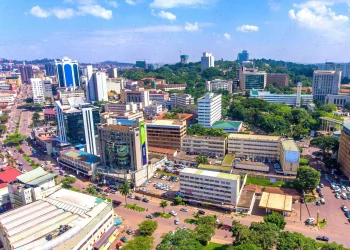
In urban centers like Kampala, Entebbe, and Jinja, life is more fast-paced, and there is a blend of modernity with traditional values. Kampala, the capital city, is known for its vibrant atmosphere, with bustling markets, modern shopping malls, and lively nightlife. The younger generation in cities is increasingly embracing global culture, with an influx of international brands, modern architecture, and urban lifestyles.
Community and Family
Family is at the core of Ugandan society. Extended families often live close together, and it’s common for multiple generations to share a home or compound. In Uganda, social gatherings, such as weddings, funerals, and cultural ceremonies, are important events where the community comes together to celebrate or mourn.
Traditional Celebrations and Festivals
Ugandans are known for their vibrant celebrations, which often involve music, dance, and feasts. Festivals and cultural events are held throughout the year, and they offer a glimpse into Uganda’s diverse cultural heritage. The Kampala City Festival, Imbalu (circumcision) ceremonies, and Eid celebrations are just a few examples of the lively events that take place in Uganda.
4. Art and Craft: Celebrating Ugandan Creativity
Uganda is known for its vibrant arts scene, which includes traditional music, dance, and crafts. The country’s artisans create beautiful handwoven baskets, beadwork, pottery, and textiles that reflect the diverse ethnic cultures of Uganda.
Traditional Music and Dance
Music and dance are integral to Ugandan culture. Every ethnic group has its own traditional music and dance styles, and these are showcased during celebrations and ceremonies. Drums are commonly used in traditional performances, and Ugandans are known for their energetic dance moves and rhythms.
Local Crafts
Ugandan artisans are skilled in a variety of crafts, from hand-woven mats and baskets to intricately carved wooden figures and jewelry. These crafts are often sold in local markets, providing both a cultural experience and a chance to purchase unique souvenirs.
Conclusion
Uganda’s culture is a beautiful blend of tradition, community, and connection to the land. From its diverse and vibrant ethnic groups to its rich culinary heritage and lively celebrations, Uganda offers a unique and welcoming experience for locals and visitors alike. Whether you’re exploring the bustling streets of Kampala, enjoying a traditional meal with a local family, or experiencing the breathtaking landscapes, Uganda’s culture invites you to become a part of its story.
Living in Uganda provides an opportunity to connect with its people and immerse yourself in a way of life that is deeply connected to nature and tradition. As the country continues to develop, it remains a place where culture, community, and nature thrive in harmony