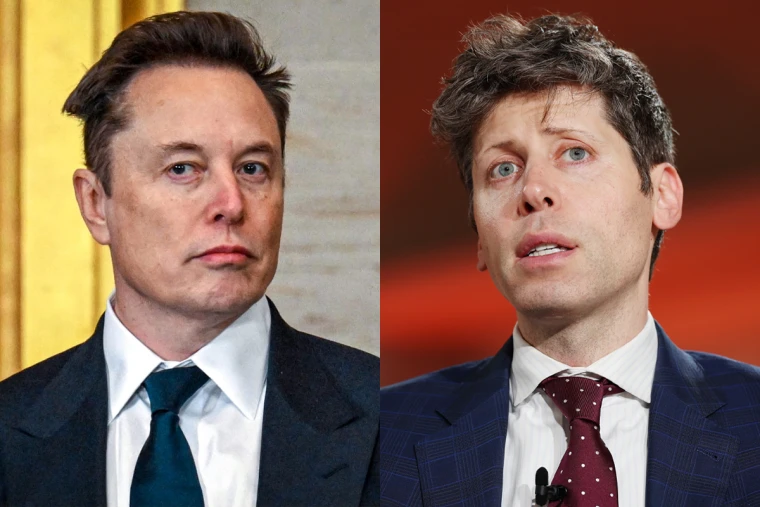
The Musk Altman trial has begun in California, marking a dramatic legal showdown between two of the most influential figures in artificial intelligence. The case centers on claims that OpenAI strayed from its original nonprofit mission, triggering a high-stakes dispute over control, ethics, and billions of dollars.
Elon Musk, one of OpenAI’s early backers, argues that the organization abandoned its founding principles. Meanwhile, OpenAI leadership insists the lawsuit is driven by competition and personal rivalry.
Musk Altman trial centers on nonprofit dispute
The Musk Altman trial focuses on whether OpenAI shifted unfairly from its original purpose. Musk claims the company effectively turned a nonprofit initiative into a profit-driven enterprise.
During testimony, he argued that allowing such a shift could undermine trust in charitable organizations. His legal team is seeking significant financial damages and structural changes within OpenAI.
OpenAI pushes back in Musk Altman trial
OpenAI has strongly rejected Musk’s claims in the Musk Altman trial. Lawyers for the company argue that the lawsuit is motivated by business competition rather than genuine concern.
They also claim Musk attempted to gain control over OpenAI and left when those efforts failed. According to the defense, the company’s leadership made decisions to ensure independence and long-term growth.
Origins of the conflict
The Musk Altman trial traces back to the early days of OpenAI. Musk contributed significant funding when the organization operated as a nonprofit focused on safe AI development.
However, tensions emerged after OpenAI created a commercial arm in 2018. This move allowed the company to scale rapidly, especially after launching widely used AI tools.
Rivalry intensifies in AI race
The Musk Altman trial also reflects a broader rivalry in the AI industry. Musk now leads his own AI venture, xAI, which competes directly with OpenAI’s technologies.
OpenAI argues that Musk’s actions are aimed at slowing a competitor as the race toward advanced AI accelerates. The dispute highlights how competition is shaping the future of the industry.
Courtroom drama and public attention
The Musk Altman trial has drawn significant public interest. Both sides have been warned by the judge to avoid influencing proceedings through social media.
The case has also attracted attention due to the high-profile figures involved and the broader implications for AI governance and corporate ethics.
What’s at stake
The trial could have far-reaching consequences. If Musk succeeds, OpenAI may face leadership changes and financial penalties.
On the other hand, a victory for OpenAI would reinforce its current structure and strategy. The outcome could shape how AI companies balance profit and public responsibility.
The trial is expected to continue in the coming weeks, with key testimonies still ahead. A verdict is anticipated later, which could redefine the relationship between innovation, ethics, and competition in artificial intelligence.
As the case unfolds, the tech world will be watching closely, aware that the decision may influence the future direction of AI development worldwide.