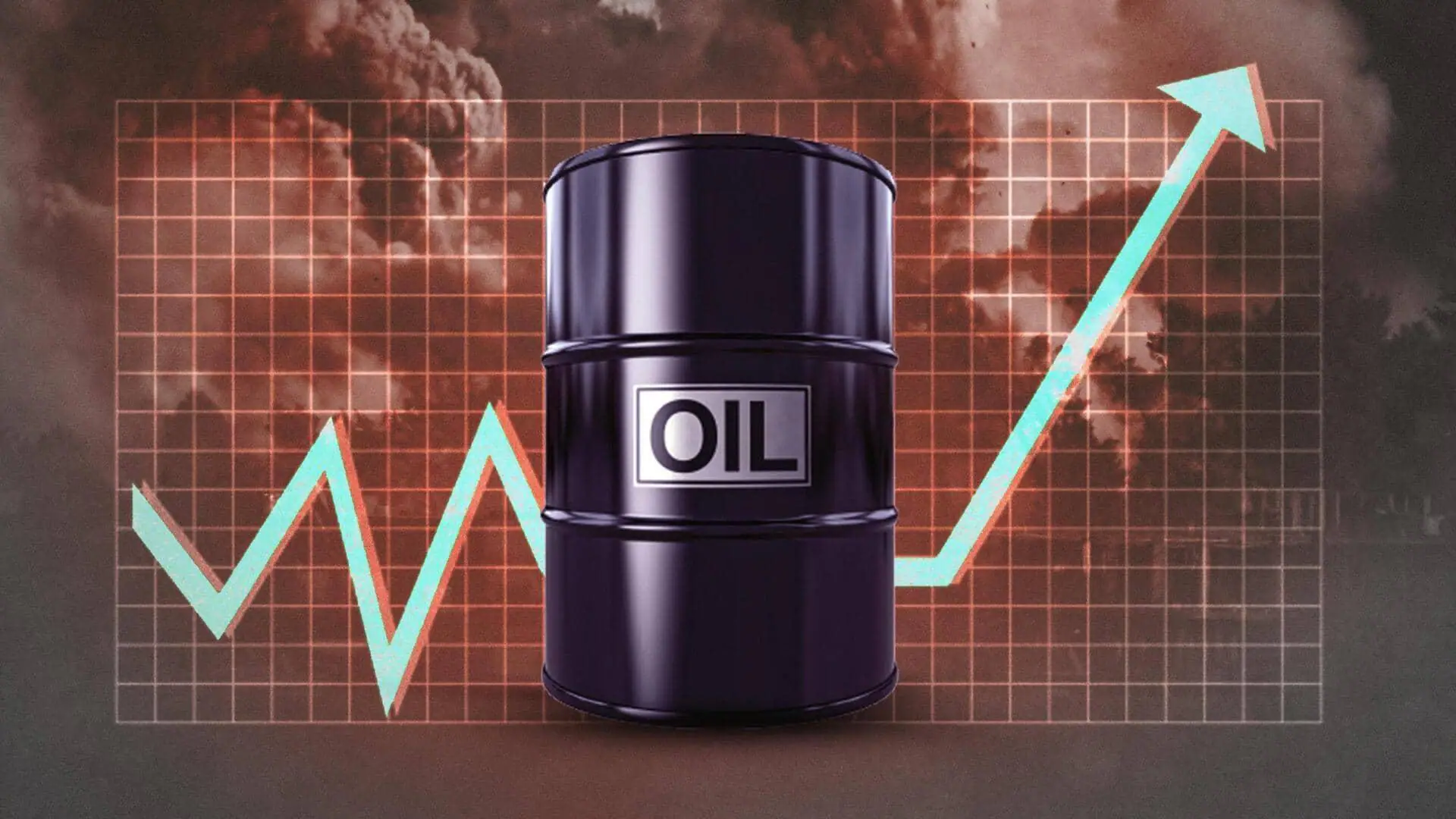
The oil price surge has intensified as global markets react to escalating tensions involving Iran. Prices have climbed sharply amid reports that the United States may extend its blockade of Iranian ports, raising fears of prolonged supply disruptions.
Brent crude rose to around $115 per barrel, marking a significant increase compared to recent weeks. Although prices have fluctuated, the upward trend reflects growing uncertainty in the energy market.
Oil price surge driven by geopolitical tensions
The oil price surge is closely tied to the ongoing conflict affecting the Strait of Hormuz. This critical route carries about one-fifth of the world’s oil and gas supply, making it a key factor in global pricing.
Iran has restricted shipping through the strait in response to military actions, while the US has moved to block vessels linked to Iranian ports. These developments have reduced supply flows and pushed prices higher.
Blockade fuels supply concerns
The oil price surge gained momentum after reports that US authorities are preparing for an extended blockade. The strategy aims to pressure Iran economically, but it also risks tightening global supply.
Iran, however, has indicated it will continue to challenge restrictions by disrupting traffic in the region. This ongoing standoff adds to volatility in energy markets.
Market reactions to oil price surge
Financial markets have responded quickly to the oil price surge. European stock indices have declined as investors weigh the impact of rising energy costs and geopolitical risk.
At the same time, Asian markets have shown signs of recovery after earlier shocks. The mixed response highlights uncertainty about how long the disruption will last.
Long-term outlook for energy prices
Analysts suggest the oil price surge could persist if tensions continue. Forecasts indicate that energy prices may rise significantly over the coming year, especially if supply disruptions remain unresolved.
Even if conditions improve, prices are likely to stay above pre-conflict levels. This reflects ongoing concerns about stability in key production and transit regions.
Impact on global economy
The oil price surge has broader implications for the global economy. Higher fuel costs can increase transportation expenses and drive inflation across multiple sectors.
Businesses and consumers may feel the effects through rising prices, while governments face pressure to manage economic stability.
The oil price surge underscores how quickly geopolitical events can influence global markets. As the situation develops, investors and policymakers will continue to monitor supply routes and diplomatic efforts.
For now, uncertainty remains high, with the potential for further price swings depending on how the conflict evolves.