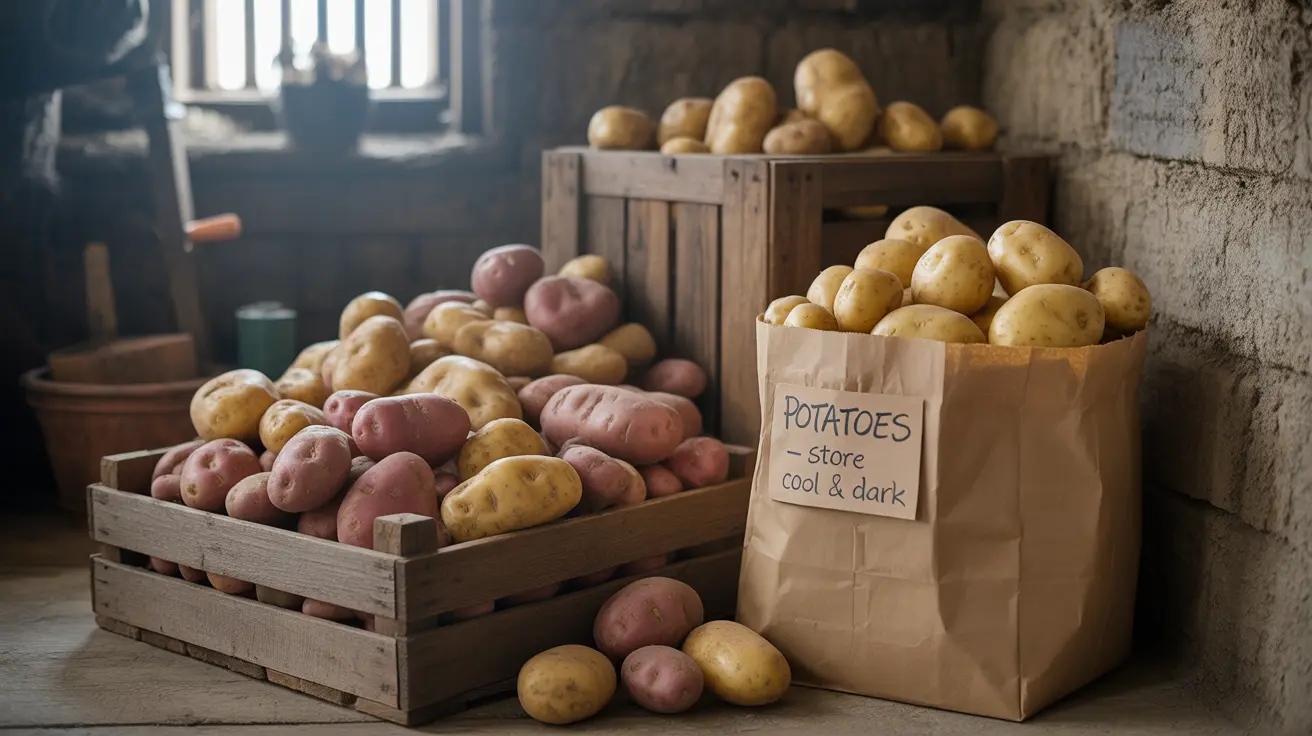
Potatoes are one of the most widely used vegetables in kitchens around the world. However, many people still wonder whether refrigeration is the best way to keep them fresh. Knowing how to store potatoes properly can make a big difference in their flavor, texture, and shelf life.
Although the refrigerator seems like a logical place for storing vegetables, raw potatoes actually perform better in a cool, dark, and well-ventilated environment. When stored correctly, potatoes can stay fresh for several months without losing quality.
Store Potatoes Properly to Keep Them Fresh Longer
The best way to store potatoes properly is in a cool and dark location with good airflow. A pantry, cupboard, or basement often provides the ideal conditions.
The recommended temperature for storing raw potatoes is between 45°F and 50°F. This temperature is cooler than normal room conditions but warmer than most refrigerators.
Potatoes should be stored in breathable containers such as paper bags, baskets, or cardboard boxes. These containers allow air to circulate and prevent moisture buildup. Plastic bags should be avoided because they trap humidity and can cause potatoes to rot more quickly.
Light exposure should also be limited. When potatoes are exposed to light, they can develop a green tint and produce solanine, a bitter compound that can be harmful in large amounts.
Why You Should Not Refrigerate Potatoes
Many people try to store potatoes in the refrigerator to extend their shelf life. However, this environment is actually too cold for raw potatoes.
When potatoes are stored below about 42°F, the starch inside them begins converting into sugar. This chemical process is known as cold-induced sweetening.
The change affects both taste and cooking performance. Refrigerated potatoes can develop an unusually sweet flavor that is noticeable in dishes like mashed potatoes or baked potatoes.
They may also cook unevenly and brown excessively during frying or roasting.
Store Potatoes Properly to Avoid Cooking Problems
Another reason to store potatoes properly outside the refrigerator is related to food safety during cooking.
When potatoes that have been refrigerated are cooked at high temperatures, the increased sugar levels can lead to higher production of acrylamide. This compound forms when certain foods are cooked at high heat and has been linked to potential health concerns.
Proper storage helps reduce the likelihood of this chemical reaction during cooking.
Store Potatoes Properly to Extend Shelf Life
When potatoes are kept in the right conditions, they can remain usable for up to four months.
In contrast, potatoes stored in the refrigerator often spoil faster and lose their natural flavor. The cold environment also affects their texture, making them less suitable for cooking.
Keeping potatoes dry, cool, and away from direct light helps preserve their quality for much longer.
When Refrigerating Potatoes Is Acceptable
While whole raw potatoes should not be refrigerated, there are situations where refrigeration becomes necessary.
If potatoes have already been peeled or cut, they should be stored in the refrigerator to prevent bacterial growth and discoloration. The pieces should be placed in a bowl of water and covered before refrigeration.
However, cut potatoes should ideally be used within 24 hours to maintain the best texture and flavor.
Cooked potatoes are another exception. Once potatoes are cooked, they should be stored like other prepared foods.
Place them in an airtight container and refrigerate them for up to three to four days. Reheat thoroughly before serving.
Store Potatoes Properly for Better Cooking Results
Learning how to store potatoes properly ensures they remain flavorful and safe to eat. Keeping them in a cool, dark, and ventilated place protects their texture, taste, and nutritional value.
By avoiding refrigeration for raw potatoes and using proper storage methods, you can extend their shelf life while maintaining the quality that makes potatoes such a beloved ingredient in kitchens around the world.