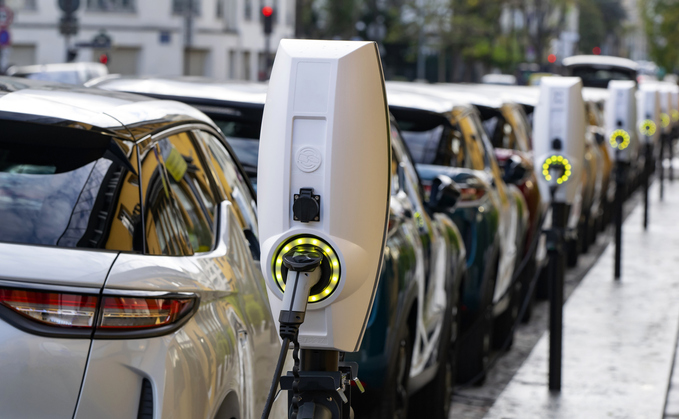
Electric car demand is rising again as global oil shocks push drivers and governments to rethink fuel dependence. Rising fuel costs and supply disruptions are making electric vehicles more attractive, especially as technology improves and ownership costs decline.
At the same time, recent energy crises have exposed the risks of relying on oil. Because of this, many consumers now see electric vehicles as a safer long-term option.
How electric car demand responds to rising fuel prices
When fuel prices increase, electric car demand tends to follow. Drivers begin comparing long-term costs, and electric vehicles often come out ahead.
For example, petrol and diesel vehicles become more expensive to run during price spikes. As a result, EVs gain attention as a cost-saving alternative.
In some markets, owning an electric vehicle already costs less over time than traditional models. This shift is encouraging more buyers to consider switching.
Technology improvements driving EV demand
At the same time, better technology is accelerating EV demand worldwide. Battery prices have dropped significantly, which makes electric cars more affordable.
In addition, charging networks continue to expand. Drivers now have more access to charging points than ever before.
Fast-charging solutions also improve convenience. Some systems can quickly add range, reducing concerns about long-distance travel.
Because of these changes, electric vehicles are becoming easier to adopt for everyday use.
Global surge in electric vehicle demand
Across the world, electric vehicle demand is increasing steadily. In Southeast Asia, dealerships report strong customer interest and faster order growth.
Meanwhile, Europe is seeing record EV sales in several countries. Australia has also recorded increased financing for electric cars as fuel prices rise.
These trends show that consumers are reacting directly to both economic pressure and improved technology.
Policy support strengthens electric car demand
Government action continues to strengthen electric car demand. Many countries are introducing policies that support cleaner transportation.
For instance, some governments are lowering taxes on EV imports. Others are investing in charging infrastructure and promoting electric public transport.
Historically, energy crises have pushed governments to adopt similar measures. Today, the same pattern is emerging again.
As a result, policy support is playing a major role in accelerating EV adoption.
Challenges affecting EV market growth
Despite strong momentum, challenges still affect EV market growth. Rising costs of materials such as lithium and metals are increasing production expenses.
In addition, higher energy prices can reduce overall consumer spending. This may slow vehicle purchases in some regions.
However, the long-term outlook remains strong. As supply chains improve and costs stabilize, electric vehicles will likely become even more competitive.
Why electric car demand will keep growing
Electric car demand reflects a broader shift in how people think about energy and transport. Oil price shocks have shown how unstable traditional fuel systems can be.
Because of this, both consumers and governments are moving toward more reliable alternatives.
Even if fuel prices fall later, the impact of recent disruptions will remain. Over time, this will continue to support the transition toward electric mobility.