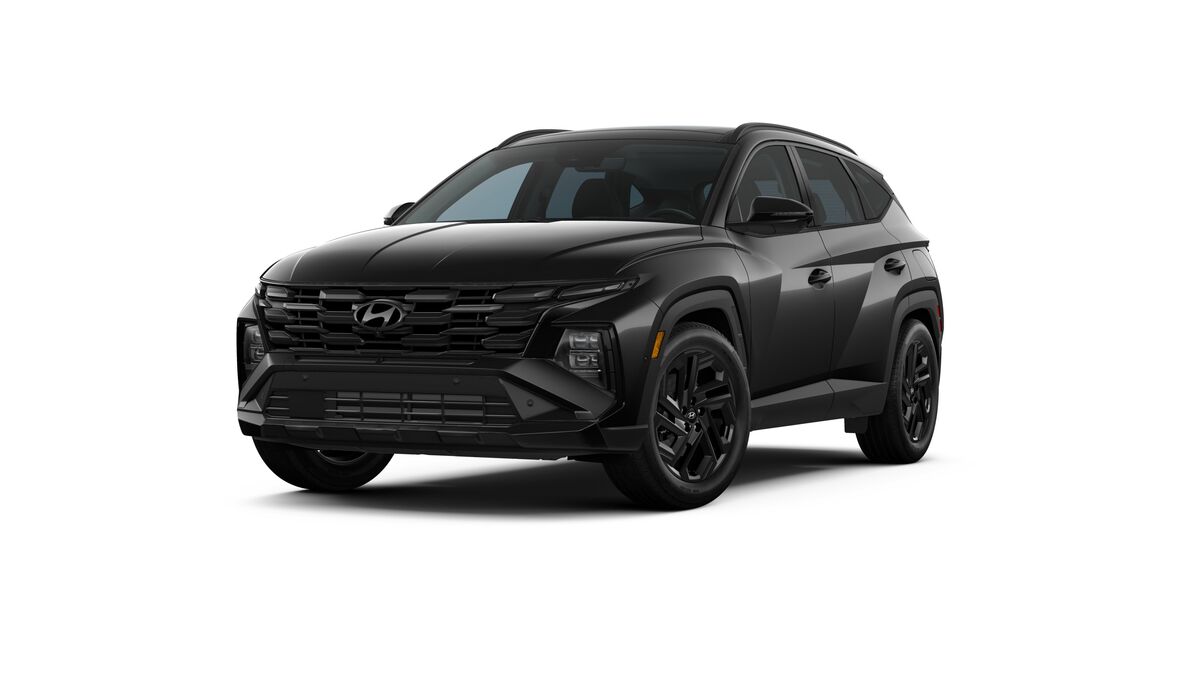
Hyundai 2026 Models are shaping up to be some of the most important additions and updates in the brand’s recent product cycle, with fresh styling, new powertrain options and more electrified vehicles expected across the lineup.
After a strong sales run, Hyundai is preparing to build on its momentum with several new or updated vehicles. Some will be mild refreshes, while others could bring bigger changes in design, technology and electrification.
The upcoming lineup includes the Elantra, Ioniq 3, Kona, Santa Fe and Tucson. Together, they show how Hyundai is trying to serve different buyers, from compact sedan shoppers to SUV customers and drivers who want electric driving without full EV anxiety.
Hyundai 2026 Models Show a Broader Product Push
Hyundai 2026 Models suggest the company is not slowing down after recent sales success.
The automaker has been expanding across multiple segments, including compact cars, crossovers, electric vehicles and hybrid SUVs. Its latest product plans show a clear focus on sharper design, improved cabin technology and more electrified powertrains.
The strategy is simple: give buyers more choices at different price points.
That matters because the auto market is changing quickly. Some customers still prefer traditional gasoline models. Others want hybrids or plug-in hybrids. A growing number are open to EVs, but many remain concerned about charging access, price and long-distance driving.
Hyundai appears to be preparing for all those buyers at once.
Hyundai Elantra Gets Fresh Styling
The Hyundai Elantra is expected to receive a refresh rather than a full redesign.
The compact sedan should get updated front and rear styling, giving it a sharper and more modern appearance. Interior changes are also expected, likely focused on layout, screens and cabin technology.
The standard Elantra’s powertrain options are expected to remain largely familiar. That may be a smart move because the current model already competes well in the compact sedan market.
However, performance fans will be watching closely for news about the Elantra N. There is speculation that Hyundai could bring changes to the high-performance version, possibly including an updated engine.
For buyers who still want an affordable, stylish sedan at a time when many brands are focusing more heavily on SUVs, the Elantra remains an important model.
Hyundai Ioniq 3 Could Be a Missed U.S. Opportunity
The Hyundai Ioniq 3 may be one of the most interesting upcoming models, even if American buyers may not get it.
The compact electric hatchback is expected to offer more than 300 miles of range, making it attractive for shoppers who want an affordable entry-level EV with practical driving distance.
That combination could make the Ioniq 3 appealing in markets where buyers want a smaller electric car that is easier to park, cheaper to run and more affordable than larger EVs.
The challenge is availability. The model is not currently expected for the United States.
That could be disappointing because the U.S. market still has room for affordable electric vehicles, especially as new-car prices remain high. EV demand has cooled in some areas, but buyers may return if automakers offer the right mix of range, price and charging convenience.
If Hyundai eventually brings the Ioniq 3 to more markets, it could become a strong option for city drivers and first-time EV buyers.
Hyundai Kona May Get a Tougher New Look
The Hyundai Kona is expected to receive a major update for the 2027 model year.
Hyundai paused production of the Kona EV for 2026 due to higher-than-expected supply of the 2025 model. That pause could give the company time to prepare a more complete update.
The next Kona is expected to adopt a tougher crossover stance, aligning it more closely with Hyundai’s broader SUV and truck-inspired design direction.
A turbocharged 1.6-liter hybrid powertrain could join the lineup, while an updated electric version is also expected. Both versions may receive Hyundai’s latest interior technology and a more rugged exterior personality.
This would help the Kona compete more strongly in the subcompact crossover segment, where buyers want efficiency, practicality and style in a small package.
Hyundai Santa Fe Could Add an EREV Option
The Hyundai Santa Fe may receive one of the most important powertrain additions in the lineup: an extended-range electric vehicle option.
An EREV works differently from a normal hybrid. The vehicle drives primarily using electric motors and a battery pack. It can be charged like an EV, but it also has a gasoline engine that works as a generator when more power is needed.
This setup gives drivers electric-style driving with backup fuel support for longer trips.
For buyers who like EVs but worry about charging access or range, an EREV can be a strong middle ground. It reduces range anxiety while still offering much of the smoothness and efficiency of electric driving.
The 2027 Hyundai Santa Fe EREV is expected to deliver around 560 miles of total driving range.
That could make it especially attractive for families, road-trip drivers and SUV buyers who want electrification without depending entirely on public charging.
Hyundai Tucson Looks Set for a Bigger Update
The Hyundai Tucson is also expected to receive a major update.
The compact SUV has been one of Hyundai’s most important models for years, appealing to buyers who want a practical, efficient and well-equipped family vehicle.
The next Tucson is expected to move toward a boxier exterior design while keeping Hyundai’s latest lighting signatures and brand styling cues.
Hybrid and plug-in hybrid versions are expected to continue. There is also talk of a possible Tucson N performance model, which could feature a 295-horsepower hybrid setup and all-wheel drive.
That would give Hyundai a sportier option in a segment that is usually focused on practicality and fuel economy.
However, there may be one major change: the next Tucson could drop its combustion-only version. If that happens, the starting price may rise, especially if the lineup shifts more heavily toward hybrid and plug-in hybrid models.
Hyundai 2026 Models Reflect a Bigger Electrification Strategy
Hyundai 2026 Models make one thing clear: electrification is becoming central to the brand’s future.
The company is not relying on one single approach. Instead, it is spreading its bets across hybrids, plug-in hybrids, full EVs and extended-range EVs.
That flexible strategy may help Hyundai reach more buyers. Some drivers are ready for full electric vehicles. Others prefer hybrids because they are easier to use without changing driving habits. EREVs may appeal to buyers who want EV benefits but still want fuel backup.
This mix could be important as the market continues to shift unevenly. EV adoption is growing, but infrastructure, pricing and consumer confidence still vary widely by region.
Future Hyundai SUV and Pickup Models Could Arrive Later
Beyond the five expected updates, Hyundai is also believed to be working on a future SUV and pickup truck inspired by its concept designs.
These models may not arrive as 2027 vehicles. A more realistic timeline could fall between 2028 and 2030.
Both vehicles are expected to use the same platform and could take styling influence from Hyundai’s rugged concept direction. If the final designs stay close to the company’s more adventurous concepts, they could give Hyundai a stronger presence in lifestyle and utility-focused segments.
That would help the brand compete more directly with automakers offering rugged SUVs, adventure vehicles and compact pickups.
Hyundai 2026 Models Could Keep Sales Momentum Alive
Hyundai 2026 Models show a company trying to strengthen an already competitive lineup.
The Elantra keeps the compact sedan segment alive with updated styling. The Ioniq 3 could broaden Hyundai’s EV reach in markets where it launches. The Kona is expected to become tougher and more modern. The Santa Fe may gain a practical extended-range electric option. The Tucson could move further into hybrid and performance territory.
Together, these vehicles show Hyundai’s focus on design, technology and electrified choice.
If the company prices them well and delivers the right features, Hyundai could continue building on its recent sales momentum while giving buyers more reasons to consider the brand.