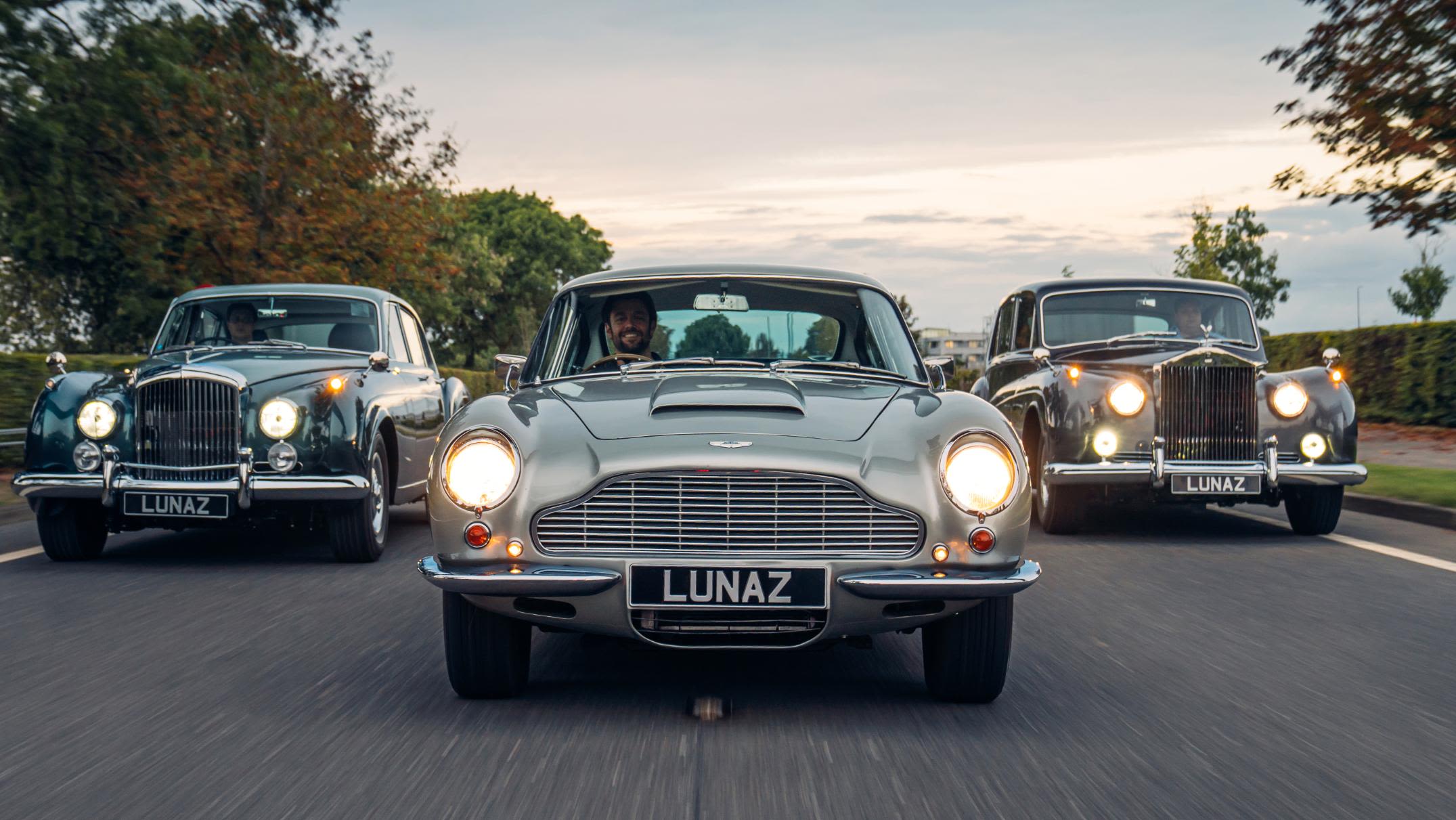
Classic EV conversions are turning vintage cars into quiet, powerful and modern machines while opening a new path for the next generation of mechanics.
Across the automotive industry, interest is growing in converting older petrol-powered cars into electric vehicles. The idea is simple but ambitious: keep the charm, shape and character of a classic car, but replace the ageing engine with cleaner electric power.
For many enthusiasts, that means they can continue enjoying the car they loved as a child without relying on old mechanical systems that may be expensive, unreliable or difficult to maintain.
For mechanics, it could also become an important skill for the future.
How Classic EV Conversions Are Changing Old Cars
Classic EV conversions replace key petrol-powered components with electric technology.
In a typical build, the original engine, fuel tank, wiring and drivetrain may be removed. In their place, technicians install an electric motor, battery pack, charger and modern control systems.
The result is a car that still looks vintage from the outside but drives more like a modern electric vehicle.
That change can be dramatic. Old cars are often noisy, heavy to steer and less refined than today’s vehicles. Once converted, they can become smoother, quieter and faster while keeping their historic style.
A converted classic car can also feel more usable in daily life. The driver gets instant electric torque, fewer moving engine parts and a cleaner driving experience.
Why Classic EV Conversions Appeal to Car Lovers
Classic EV conversions are attractive because they protect nostalgia while improving performance.
Many people are drawn to older vehicles because of memories. They may want the car they admired when they were young, or they may already own a family vehicle with sentimental value.
But the reality of driving an old car can be different from the dream. Some vintage cars look beautiful but feel slow, loud or uncomfortable compared with modern vehicles.
An EV conversion helps bridge that gap.
Drivers can keep the shape, style and emotional connection of a classic car while gaining a smoother and more reliable powertrain. For some owners, that balance is exactly what makes the project worthwhile.
Classic EV Conversions Create New Skills for Mechanics
Classic EV conversions could also help young mechanics prepare for a changing industry.
As more new vehicles become electric, workshops will need technicians who understand batteries, electric motors, chargers, high-voltage systems and modern diagnostics. At the same time, classic car knowledge is at risk because many experienced mechanics are retiring.
That creates a skills gap.
EV conversion projects give apprentices and young technicians a chance to work across both worlds. They learn about older vehicle structures and mechanical design while also gaining experience with electric systems.
This combination could become valuable as more owners look for ways to preserve classic cars in an electric future.
The Cost of Converting a Classic Car to Electric Power
Classic EV conversions can be expensive, especially when the project is highly customised.
A basic conversion using an existing kit may take around a week if the vehicle is straightforward and the parts are already available. More complex builds can take months, especially when the car has not been converted before or when the owner wants a complete restoration.
Costs can vary widely.
A full high-end build with paintwork, sound insulation, interior upgrades and detailed custom work can cost well into six figures. A simpler conversion on a working classic car may cost much less, but it is still a major investment.
That is why EV conversions remain a niche market. For many owners, the decision is driven by passion rather than pure financial logic.
Why Older Cars Are Easier to Convert
Classic EV conversions are often easier on vehicles built before the 2000s.
Older cars usually have simpler electronics and more mechanical systems. That can make it easier to remove the combustion engine and fit an electric drivetrain.
Newer cars often rely on complex computer systems, sensors and integrated electronics. Converting them can be more difficult because many parts of the vehicle are designed to communicate with the original engine and control units.
For this reason, pre-2000 classic and vintage cars are often stronger candidates for conversion projects.
They provide enough space, simpler layouts and a clear structure for technicians to work with.
Classic EV Conversions and Sustainability
Classic EV conversions can also appeal to drivers who care about sustainability.
Instead of building a completely new car, a conversion reuses the existing body and structure of an older vehicle. That can reduce the need for new steel, new manufacturing and some of the emissions linked to producing a new car.
The converted vehicle also no longer burns petrol during everyday driving.
This does not mean every conversion is automatically cheap or simple from an environmental point of view. Batteries, parts and workshop processes all have their own impact. But for owners who want to preserve an existing vehicle while reducing fossil fuel use, conversion can be an attractive option.
A Niche Market With Growing Interest
Classic EV conversions are becoming more visible, but they remain a specialist part of the wider EV market.
Modern electric cars are now more available, more affordable and more capable than they were a decade ago. For someone who simply wants an electric vehicle, buying a new or used EV is usually easier than converting an old car.
That means conversions are mostly for people who love a particular vehicle.
They are not just buying transport. They are building a personal project, restoring a piece of history and giving it a new role in a changing automotive world.
Interest may rise when petrol prices climb, when EV technology improves, or when more classic car owners look for ways to keep their vehicles roadworthy in the future.
Classic EV Conversions Could Define the Future Workshop
Classic EV conversions show how the automotive repair industry is changing.
Future mechanics may need to understand both traditional vehicles and electric systems. Workshops that can combine restoration skills with EV knowledge could find new opportunities as demand grows.
For classic car owners, the trend offers choice. They can keep the vehicle they love while upgrading how it drives.
For young technicians, it offers a practical way to learn the future of automotive repair without losing touch with the past.
Classic EV conversions may still be niche today, but they point to a future where old cars do not have to disappear. Instead, they can be rebuilt, reimagined and driven into a new electric era.