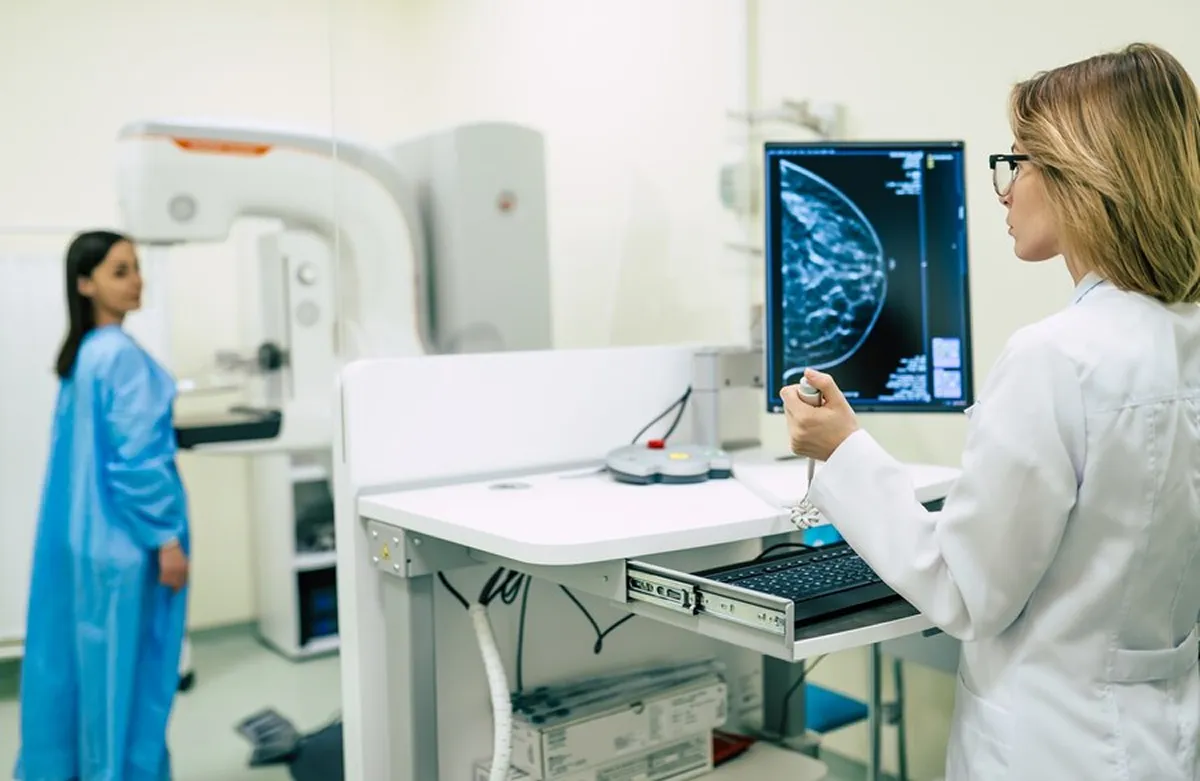
AI mammogram heart risk detection is emerging as a powerful tool for identifying cardiovascular disease in women. New research shows that artificial intelligence can analyze mammograms and detect calcium build-up in breast arteries, a strong indicator of heart disease risk.
The AI mammogram heart risk approach could transform routine breast cancer screening into a dual-purpose test. By analyzing the same images already used for cancer detection, doctors may also identify women at risk of heart attacks, strokes and other cardiovascular conditions.
AI Mammogram Heart Risk Study Shows Strong Link to Cardiovascular Disease
The study behind the AI mammogram heart risk discovery analyzed mammograms from 123,762 women who had undergone breast cancer screening but had no known cardiovascular disease.
Researchers used artificial intelligence to measure the amount of calcium deposits in the arteries within breast tissue. This condition, known as breast arterial calcification, indicates the hardening of arteries and is associated with increased cardiovascular risk.
The AI system classified calcification levels into four categories: absent, mild, moderate and severe.
Researchers then compared these findings with long-term health outcomes to determine whether calcification levels predicted future cardiovascular events.
AI Mammogram Heart Risk Predicts Future Heart Events
The results revealed a strong relationship between arterial calcification and cardiovascular disease risk.
Women with mild calcification were about 30 percent more likely to experience serious cardiovascular events compared with women without calcification.
For women with moderate calcification, the risk increased by more than 70 percent.
Those with severe calcification faced the highest danger, with the likelihood of heart attack, stroke or heart failure rising two to three times higher.
These findings show that AI mammogram heart risk analysis can identify early warning signs of cardiovascular disease long before symptoms appear.
AI Mammogram Heart Risk Detection Helps Younger Women
One important discovery in the research involved women under the age of 50.
This group is often considered at lower risk for heart disease. However, the study showed that arterial calcification visible on mammograms still predicted cardiovascular problems even in younger patients.
The relationship remained strong even after researchers accounted for traditional risk factors such as diabetes and smoking.
This suggests that mammogram-based AI screening could help doctors identify hidden cardiovascular risk earlier than current methods.
How Mammograms Could Improve Heart Disease Prevention
Researchers believe the AI mammogram heart risk approach could significantly improve preventive healthcare for women.
Millions of women already undergo mammograms for breast cancer screening. By using the same images to assess cardiovascular risk, doctors could detect heart disease without additional tests or medical visits.
This approach may be particularly important because many women remain unaware of their cholesterol levels or cardiovascular risk factors.
Adding AI analysis to mammography programs could help identify at-risk patients earlier and encourage preventive treatment.
Experts Call for Integration Into Screening Programs
Medical experts say the next step for AI mammogram heart risk technology is integrating it into clinical practice.
Healthcare systems may need to incorporate AI tools into existing imaging workflows. Clear guidelines will also be required to determine how patients and doctors should be informed about cardiovascular risk findings.
Researchers are now planning clinical trials to evaluate how AI-based calcification analysis can be implemented effectively in real-world healthcare settings.
Experts believe this approach could potentially reach tens of millions of women each year without requiring new infrastructure.
AI mammogram heart ris analysis represents a promising advancement in preventive medicine. By detecting arterial calcification in routine mammograms, artificial intelligence may help doctors identify women at risk of cardiovascular disease earlier than ever before.
As heart disease remains the leading cause of death among women worldwide, integrating AI tools into existing breast cancer screening programs could provide a powerful new strategy for improving women’s heart health.