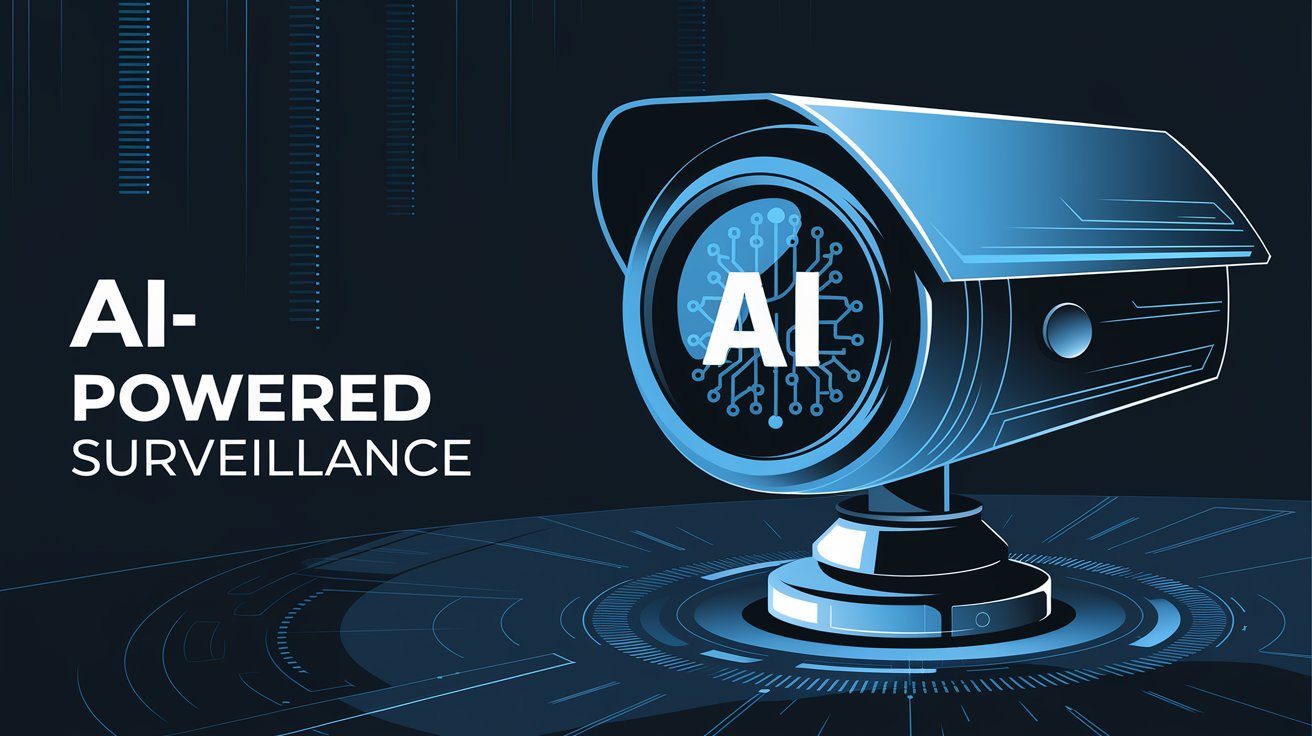
New York City is facing mounting criticism over AI surveillance plans tied to a major prison telecommunications contract that could expand monitoring inside correctional facilities and beyond.
The city’s Department of Correction is preparing to renew a five-year contract worth more than $23 million with Securus Technologies, a company that provides phone and video communication services for inmates. However, privacy advocates warn that the agreement could significantly increase AI surveillance capabilities targeting not only incarcerated individuals but also their families and friends.
AI Surveillance Concerns Intensify
The proposed contract renewal has triggered backlash from civil liberties groups worried about the growing use of AI surveillance in correctional facilities.
Advocates say Securus uses advanced artificial intelligence tools to monitor inmate calls, analyze conversations in real time, and automatically flag suspicious language through voice recognition systems.
Critics argue that such systems create a dangerous level of digital surveillance that extends beyond prison walls.
Brooklyn Defender Services recently warned that the technology could allow authorities to monitor communications involving ordinary citizens who have never been accused of crimes. Concerns have also emerged over reports that the system may integrate with analytics platforms connected to immigration enforcement operations.
NYC Defends the Contract Extension
New York City officials insist the telecommunications services are necessary to help inmates stay connected with their loved ones.
According to the Department of Correction, the extension is intended to prevent disruptions while the city finalizes procurement negotiations for a longer-term agreement.
The original contract dates back to 2014 and has already been extended multiple times after its initial term expired. City officials say maintaining communication access remains a top priority for people held in correctional facilities.
Still, the use of AI surveillance technology has become the central issue in the debate.
Critics Warn of Bias and Privacy Risks
Privacy organizations believe AI surveillance systems can introduce serious ethical and constitutional concerns.
The Surveillance Technology Oversight Project (STOP), a New York-based civil rights group, says the technology could reinforce racial profiling and algorithmic bias.
The organization argues that AI systems may incorrectly flag conversations, words, or speech patterns without proper context, potentially affecting immigrant communities and minority groups disproportionately.
Critics also fear sensitive personal data collected through inmate calls could become vulnerable to misuse or expanded law enforcement access.
Securus Says AI Helps Prevent Crime
Securus Technologies has defended its AI surveillance tools, saying they improve prison security and help authorities identify criminal activity earlier.
Company executives previously stated that their systems can process large amounts of communication data using artificial intelligence models capable of detecting threats before crimes are committed.
Supporters of the technology argue that these tools can reduce violence, improve prison management, and stop illegal operations within correctional facilities.
However, opponents say predictive surveillance systems remain largely unregulated and lack sufficient public oversight.
Free Communication Programs Show Positive Results
The debate comes as prison communication policies continue evolving across the United States.
New York State correctional officials recently reported positive outcomes after introducing free inmate phone calls. Authorities said increased communication between inmates and families helped reduce tensions inside prisons and improved overall conditions.
Advocacy groups argue this demonstrates that communication services should focus on rehabilitation and family connection rather than aggressive AI surveillance practices.
Why This Matters
The controversy highlights a wider global debate about how governments and institutions use artificial intelligence for surveillance.
As AI surveillance systems become more advanced, questions surrounding privacy, bias, accountability, and civil liberties are becoming increasingly urgent.
The outcome of New York City’s contract negotiations could influence how correctional facilities nationwide adopt AI-powered monitoring technologies in the future.