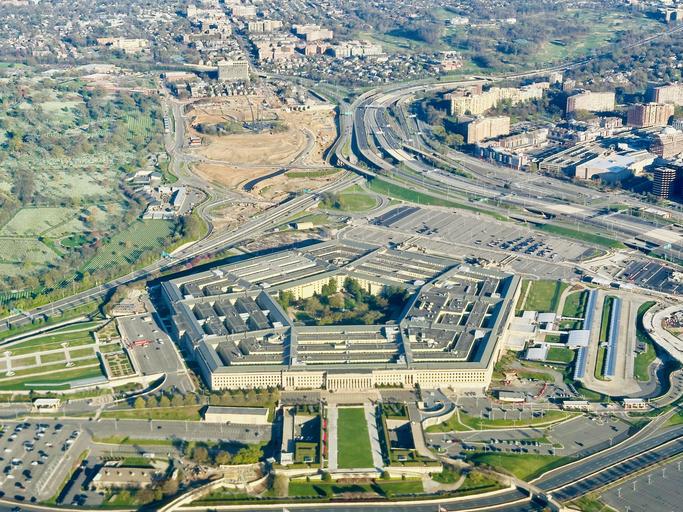
The Anthropic Pentagon AI dispute has escalated sharply after Defense Secretary Pete Hegseth demanded full military access to Anthropic’s artificial intelligence model, Claude. According to sources familiar with the discussions, Hegseth gave Anthropic CEO Dario Amodei a deadline of 5 p.m. Friday to sign a document granting the Pentagon unrestricted use of the AI system.
The clash signals growing tension between national security priorities and AI company safeguards as Washington pushes for greater control over advanced technologies.
Pentagon seeks full operational control of Claude
At the center of the Anthropic Pentagon AI dispute is the military’s request for broad authority over Claude’s deployment in defense operations.
Anthropic secured a $200 million Pentagon contract last July to develop AI capabilities aimed at strengthening U.S. national security. Defense officials now want what sources describe as full control over how Claude is used within military systems.
Anthropic, however, has pressed for strict guardrails. The company wants assurances that Claude will not be used for:
- Mass surveillance of Americans
- Fully autonomous targeting decisions
- Military actions without human oversight
Defense officials maintain that such activities would be illegal and say the request involves only lawful applications. A senior Pentagon official stated that the military has issued only lawful orders and is seeking a standard license agreement.
Concerns over AI reliability and oversight
A key sticking point in the Anthropic Pentagon AI dispute involves the reliability of AI in high-stakes military environments.
Claude, like other large language models, is not immune to hallucinations or inaccurate outputs. One source familiar with the talks said Anthropic is concerned about unintended escalation or mission failure if the system were used without meaningful human judgment.
Amodei has reportedly insisted that Claude should not be responsible for final targeting decisions without human involvement.
The Pentagon disputes the notion that it intends to deploy fully autonomous lethal systems using Claude. Officials argue that the request mirrors standard government procurement practices.
Defense Production Act under consideration
The Anthropic Pentagon AI dispute could escalate further if the government invokes the Defense Production Act.
The law allows the federal government to direct domestic companies to prioritize and accept contracts deemed essential for national defense. Sources say officials discussed using the act after Tuesday’s meeting.
Another option reportedly under review is labeling Anthropic a “supply chain risk,” which could remove the company from certain government networks. Notably, Anthropic was the first tech firm authorized to operate within the military’s classified systems.
Hegseth reportedly told Amodei that when the government purchases aircraft from Boeing, the aerospace company does not dictate how those planes are deployed. He argued the same principle should apply to Claude.
Competitive AI landscape adds pressure
The dispute unfolds as AI firms compete for government contracts in classified environments.
A senior defense official indicated that Grok, developed by xAI, is already prepared for use in classified settings. Other AI providers are reportedly nearing similar agreements.
That competitive dynamic may increase pressure on Anthropic to comply or risk losing strategic positioning in federal AI partnerships.
Anthropic maintains it is negotiating in good faith. In a statement, a company spokesperson said discussions are ongoing to ensure Claude can support national security missions in ways that align with responsible AI deployment.
National security meets AI governance
The Anthropic Pentagon AI dispute reflects a broader debate about how advanced AI systems should be governed in defense contexts.
As AI becomes embedded in intelligence analysis, logistics, and operational planning, policymakers face a complex balancing act. On one side lies national security urgency. On the other lies corporate responsibility and ethical safeguards.
With a firm deadline set for the end of the week, the outcome could shape how the U.S. military works with private AI developers in the years ahead.