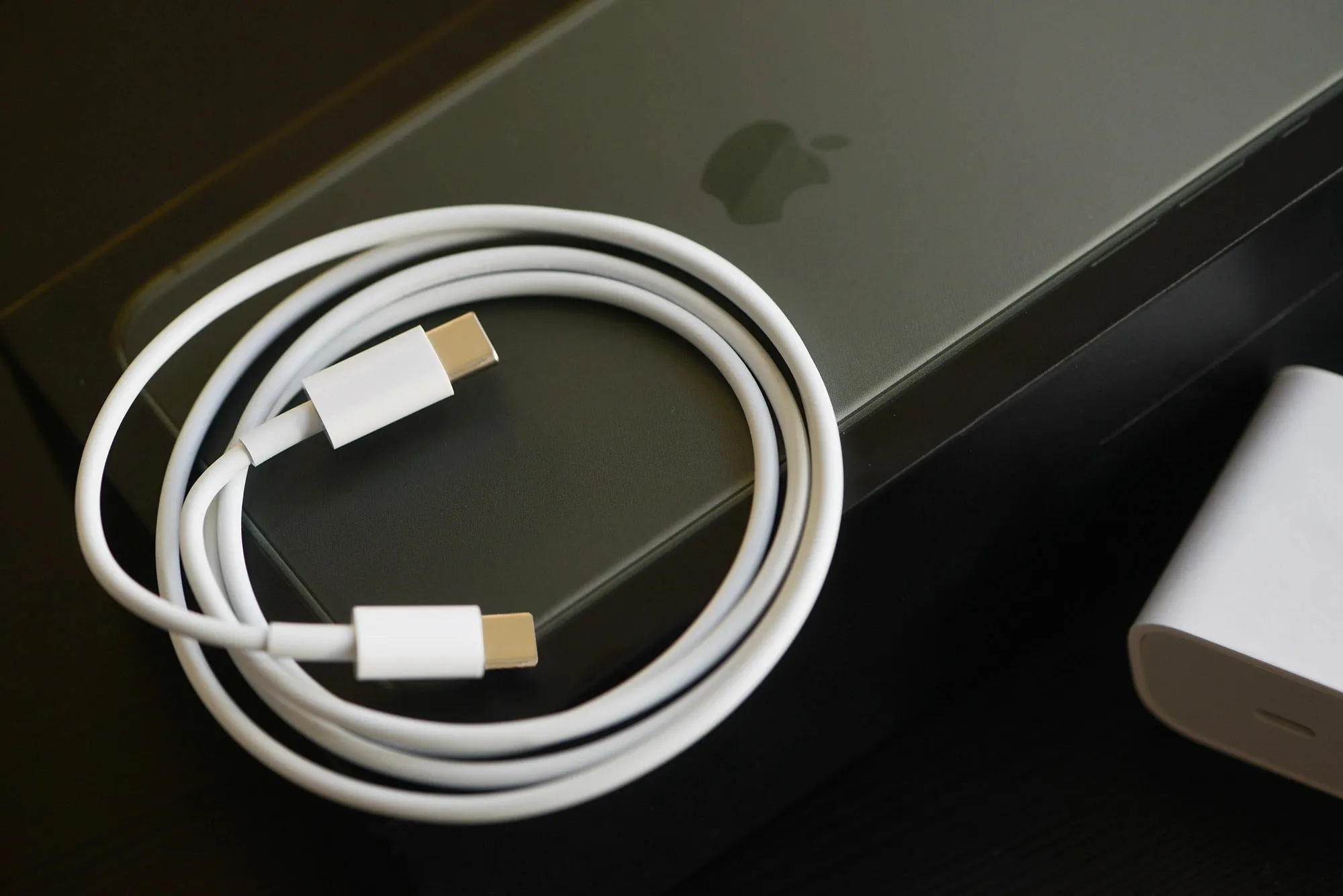
The Apple Brazil charger fine has once again reignited debate over the company’s decision to remove power adapters from iPhone boxes. Brazilian regulators have imposed a new penalty of roughly $20,000, arguing that selling iPhones without chargers puts consumers at a disadvantage.
Although fines against global tech giants are often substantial, this latest Apple Brazil charger fine is relatively small compared to the company’s financial scale. In fact, based on Apple’s recent quarterly revenue figures, the amount represents roughly one second of the company’s global earnings.
The dispute dates back to Apple’s 2020 decision to stop including power adapters with new iPhones. The company framed the move as an environmental effort aimed at reducing electronic waste and shrinking packaging. However, Brazilian consumer authorities continue to challenge that reasoning, claiming the charger remains an essential accessory.
Apple Brazil Charger Fine Explained
The Apple Brazil charger fine was issued by Procon-AL, a state-level consumer protection watchdog. Regulators argue that removing the charger forces customers to purchase an additional product, which they believe violates consumer protection principles.
Initially, the penalty was set at approximately R$60,976.50, or about $11,900. However, authorities later increased the amount to R$101,627.50, roughly $19,800, citing aggravating factors. These reportedly include Apple’s failure to correct what regulators consider an ongoing issue.
Apple now has 20 calendar days to file an administrative appeal. Given the modest size of the fine, some analysts suggest that the legal costs of fighting it could outweigh the penalty itself.
A Long-Running Dispute
The Apple Brazil charger fine is not the first time the company has faced penalties in the country over this issue. In 2022, regulators imposed a much larger fine of over R$12 million. That followed a similar penalty of R$10.5 million the previous year.
Compared to those earlier sanctions, the latest fine is minimal. Still, it signals that Brazilian authorities remain firm in their stance that iPhones should include chargers in the box.
For Apple, the financial impact is negligible. During its first quarter of fiscal 2026, the company reported revenue of $143.8 billion. Against that figure, a $20,000 fine barely registers.
Putting the Numbers in Perspective
To illustrate the scale, the Apple Brazil charger fine equals the value of just over 460 standard 20W USB-C power adapters sold in Brazil. For Apple’s premium 140W charger, the fine represents fewer than 100 units.
These comparisons highlight how small the penalty is relative to Apple’s broader business. Nevertheless, it serves as a symbolic reminder of regulatory challenges in certain markets.
The Bigger Picture for Apple
Apple continues to defend its decision to exclude chargers, maintaining that many customers already own compatible adapters. The company has also emphasized environmental benefits, including reduced carbon emissions from smaller packaging and fewer shipped components.
However, regulators in some countries remain unconvinced. They argue that the absence of a charger may increase consumer costs and create confusion, especially for first-time buyers.
As the Apple Brazil charger fine shows, the debate is far from settled. While the financial consequences are minor for Apple, the legal and regulatory scrutiny continues.
In the global tech landscape, even small penalties can signal broader tensions between corporate sustainability strategies and consumer protection standards. For now, Apple’s charger policy remains unchanged, but Brazil’s regulators are clearly not backing down.