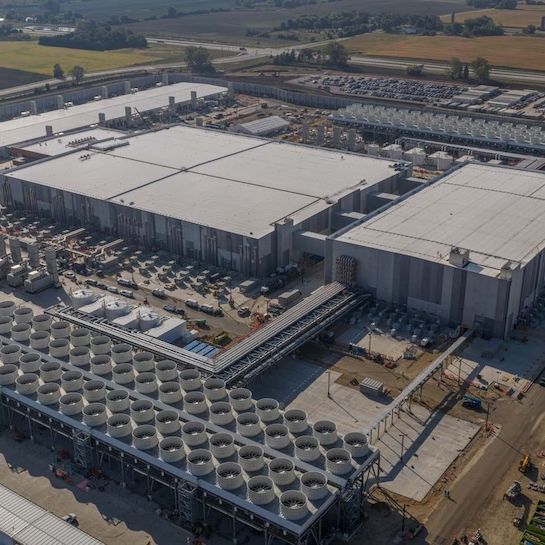
The Dalton AI data center is moving from blueprint to reality, but debate over its impact is far from settled. As construction ramps up in Whitfield County, the project has entered a wider national conversation about artificial intelligence infrastructure and energy consumption.
During his recent State of the Union address, President Donald Trump highlighted the growing power demands of AI facilities. His remarks added a new layer of attention to projects like the Dalton AI data center, which is being built on 173 acres near Old Tilton Road.
While developers point to economic growth and investment, nearby residents remain concerned about quality-of-life changes and strain on local resources.
Dalton AI Data Center and Energy Use Concerns
The Dalton AI data center sits at the heart of a broader discussion about how AI facilities draw significant electricity to power servers and cooling systems. Trump stated that major tech companies should be responsible for meeting their own energy needs, suggesting on-site generation could become standard for future developments.
It remains unclear whether the Dalton AI data center will include independent power generation or rely fully on the local grid. That uncertainty has fueled public concern about potential increases in electricity demand.
Critics argue that large-scale data centers can create persistent noise from cooling systems and require substantial infrastructure upgrades. Supporters counter that such facilities bring long-term tax revenue and job opportunities.
Rezoning Approval and Local Opposition
The Dalton AI data center project gained approval in March 2025 after Whitfield County commissioners voted to rezone agricultural land for heavy manufacturing. The decision followed a contentious public meeting where dozens of residents spoke against the change.
Families who have farmed the area for generations warned about noise, traffic and environmental impacts. Several residents expressed concern about a constant hum from industrial cooling equipment, referencing similar facilities in neighboring states.
Despite the pushback, the rezoning passed. County officials noted that required buffers and vegetative barriers would separate the Dalton AI data center from nearby homes. They also said local ordinances could be amended if future adjustments are needed.
Economic Impact and Development Arguments
Supporters of the Dalton AI data center emphasize its economic potential. Development leaders have stated that the company behind the facility is investing heavily in the region, including millions of dollars per month in local electricity spending.
Officials argue that increased utility usage benefits municipal revenue streams and strengthens the local tax base. Proponents say the project positions Dalton as part of the rapidly expanding AI infrastructure economy.
Construction activity is now visible on-site, with heavy equipment clearing land and structural components rising. Nearly a year after approval, the project has shifted from public hearings to active development.
National Spotlight on AI Infrastructure
The AI data center reflects a national trend as companies race to build facilities capable of handling surging AI workloads. Across the United States, communities are weighing economic benefits against environmental and infrastructure challenges.
As energy consumption becomes a focal point of federal discussion, local projects like Dalton’s are drawing renewed scrutiny. Questions remain about how utilities will adapt and whether future regulations will require tech firms to offset their energy demands.
For now, construction continues. The dirt is moving, steel is rising, and the AI data center remains a symbol of both technological progress and community debate.