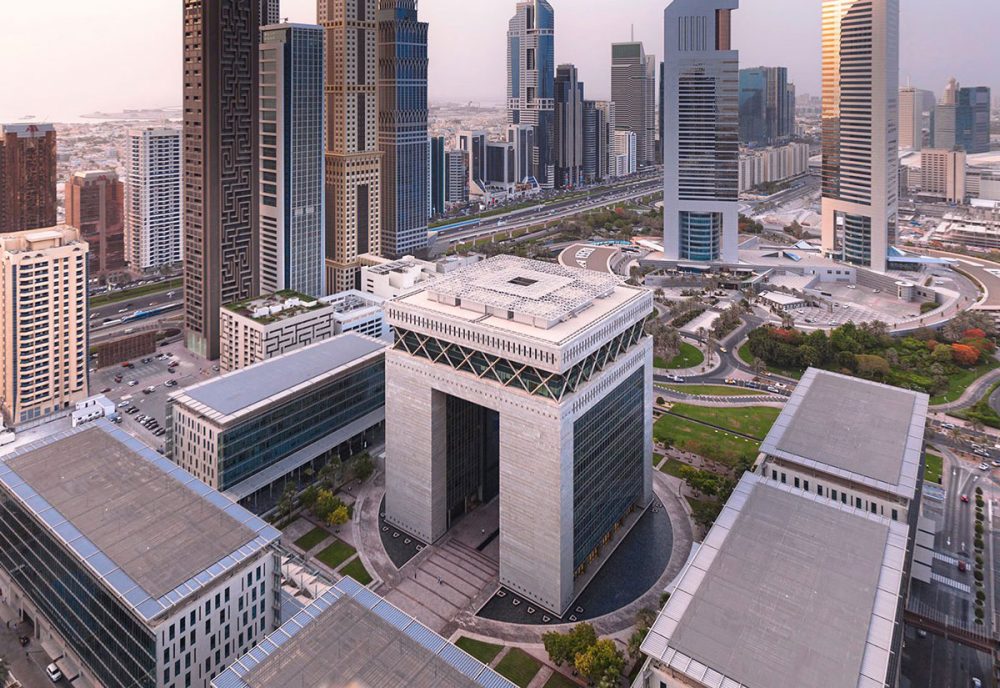
DIFC growth has accelerated sharply, with new business registrations rising 40 per cent, underscoring renewed investor confidence in Dubai’s financial ecosystem. The surge at the Dubai International Financial Centre highlights strong economic fundamentals in both the free zone and the wider UAE economy.
However, while headline registration numbers draw attention, industry experts stress that DIFC growth depends less on volume and more on what happens in the first 90 days after incorporation. They argue that this early phase determines whether a company merely registers or builds a sustainable presence.
DIFC Growth Reflects Economic Confidence
The 40 per cent increase in new registrations signals sustained global interest in Dubai as a financial and innovation hub. DIFC continues to attract fintech firms, asset managers, family offices and professional services companies seeking regulatory clarity and international connectivity.
Analysts note that DIFC growth mirrors broader UAE economic expansion, supported by stable policies, competitive tax structures and investor-friendly regulations. The free zone’s legal framework, based on English common law, also strengthens its global appeal.
At the same time, Dubai’s strategic location between Europe, Asia and Africa makes DIFC an ideal base for companies targeting emerging markets.
Why the First 90 Days Matter
Despite strong DIFC growth figures, experts caution that the first three months after registration are the most critical period for any new business.
Industry advisers explain that companies must focus immediately on operational setup, regulatory compliance, banking relationships and client acquisition. Delays in these areas can weaken early momentum and increase costs.
The first 90 days often define a company’s long-term trajectory. Businesses that secure early contracts, build strong partnerships and establish internal processes during this period are more likely to scale successfully.
On the other hand, firms that treat registration as the final milestone rather than the starting point may struggle to gain traction.
Operational Readiness Drives Long-Term Success
Experts emphasise that DIFC growth should not be measured by registration numbers alone. Instead, performance should be evaluated by how effectively businesses convert licenses into active operations.
Strong governance structures, clear business strategies and early revenue pipelines are key indicators of long-term sustainability. In addition, companies that leverage DIFC’s networking ecosystem, industry events and advisory services tend to accelerate faster.
Mentorship and professional support also play a significant role. Legal, compliance and financial advisory firms within DIFC help new entrants navigate regulatory requirements efficiently.
Dubai’s Startup Ecosystem Gains Momentum
DIFC growth forms part of Dubai’s wider ambition to position itself as a global centre for innovation and financial services. Government initiatives continue to streamline licensing processes and enhance digital infrastructure.
As global capital flows shift toward the Middle East, Dubai remains a preferred destination for entrepreneurs seeking stability and expansion opportunities.
While a 40 per cent rise in registrations signals strong momentum, experts reiterate that the real test begins after incorporation. The first 90 days, they argue, are the foundation upon which long-term success is built.
In a competitive global market, DIFC growth will ultimately depend on how effectively new businesses transform opportunity into execution