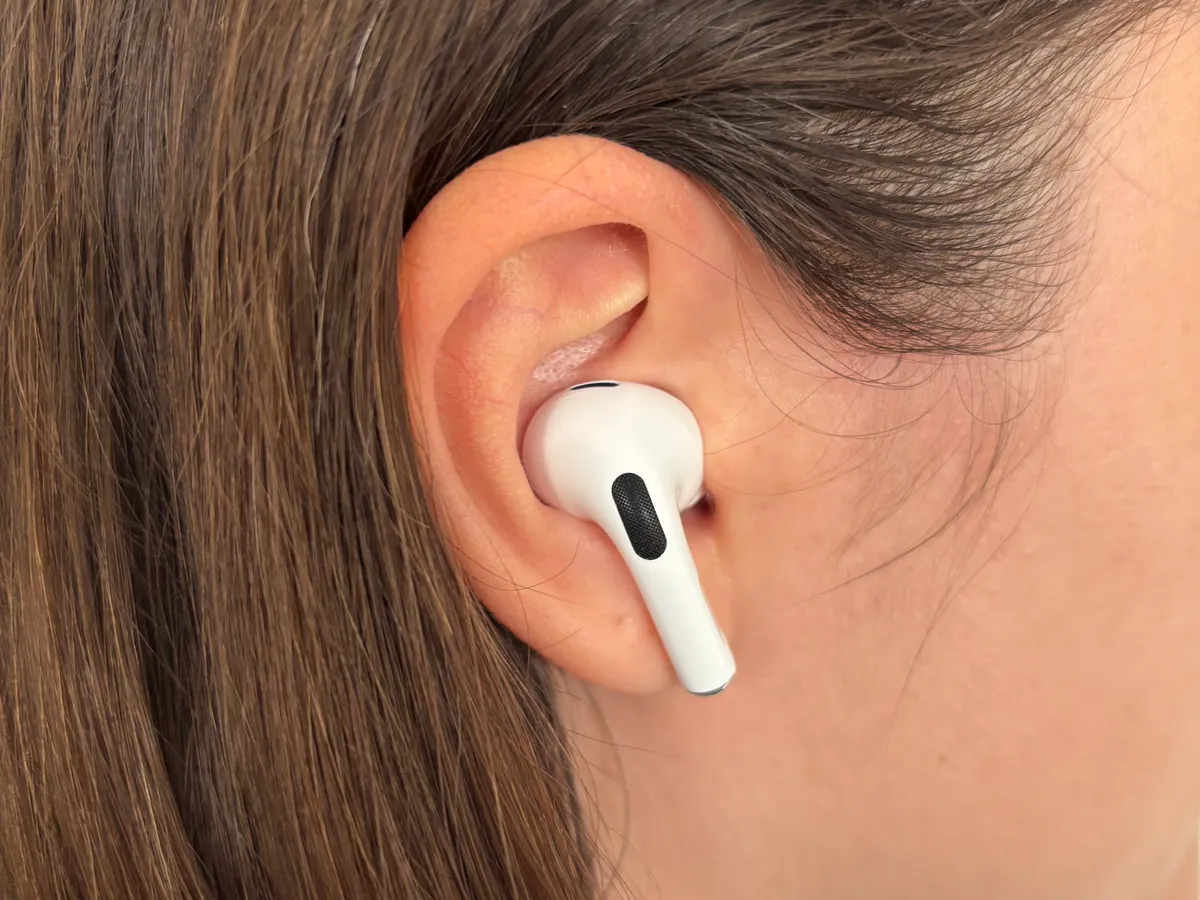
Earbuds hearing risk is a growing concern for parents and adults alike. Small and convenient, earbuds are used daily for music, gaming, online classes, and video calls. However, frequent use at high volumes can quietly damage hearing over time. The danger often develops without immediate pain, making prevention essential.
Health experts say the good news is that hearing loss linked to earbuds is largely preventable. By understanding how earbuds affect the ears and adopting simple listening habits, families can reduce long-term risks.
How earbuds hearing risk affects your ears
Earbuds deliver sound directly into the ear canal through air conduction. When volume levels are high, the inner ear’s tiny hair cells can become damaged. These cells do not regenerate. Once injured, the result may be permanent sensorineural hearing loss.
Children are especially vulnerable because they may use earbuds for longer periods and may not recognize early warning signs. Adults are not immune either. Listening at loud volumes for extended periods significantly increases earbuds hearing risk.
Temporary vs. permanent hearing damage
Many people notice muffled hearing or ringing in their ears after long listening sessions. This temporary shift in hearing is often the first warning sign. While hearing may seem to return to normal, repeated exposure can lead to permanent damage.
Experts explain that the louder the sound, the less time it takes for harm to occur. What feels harmless in the moment may quietly stress the auditory system. Therefore, paying attention to early symptoms is critical.
Fit and pressure issues
Improperly fitting earbuds can also cause irritation and discomfort. For children, adult-sized earbuds may not sit correctly in the ear canal. Poor fit may lead users to increase volume to hear clearly, raising earbuds hearing risk further.
Discomfort, ear canal pressure, and mild pain are signs that the device may not be suitable. Choosing the correct size and style helps improve both comfort and safety.
Are shared earbuds a hygiene concern?
Sharing earbuds may increase exposure to bacteria and fungi. Warmth and moisture inside the ear canal create conditions where germs can grow. While earbuds alone do not directly cause infections, poor hygiene can contribute to outer ear irritation and infections.
Regular cleaning helps reduce buildup. Wiping earbud tips with alcohol-based wipes and allowing them to dry fully before use can lower germ transfer. Avoiding sharing, especially among children, is the safest approach.
Are headphones safer than earbuds?
There is no strong evidence that over-the-ear headphones are automatically safer. What matters most is volume and duration. In noisy environments, people often raise the sound level to compete with background noise, regardless of device type.
Noise-canceling features can help. By reducing outside noise, they allow users to listen at lower volumes. When used correctly, noise-canceling technology may reduce earbuds hearing risk.
Protecting hearing for the long term
Hearing health connects closely to balance and brain function. Unfortunately, treatments cannot restore lost sensorineural hearing. Management often involves hearing aids or cochlear implants in severe cases. Prevention remains the best strategy.
A simple rule helps guide safe listening: if someone nearby can hear your audio, it is likely too loud. Limiting listening sessions and taking regular breaks also reduces strain on the ears.
Protective habits extend beyond earbuds. Wearing earplugs at concerts, sporting events, and other loud settings further protects long-term hearing.
Earbuds hearing risk should not cause panic, but it should encourage awareness. With mindful listening habits, both children and adults can enjoy their devices today while protecting their hearing for tomorrow.