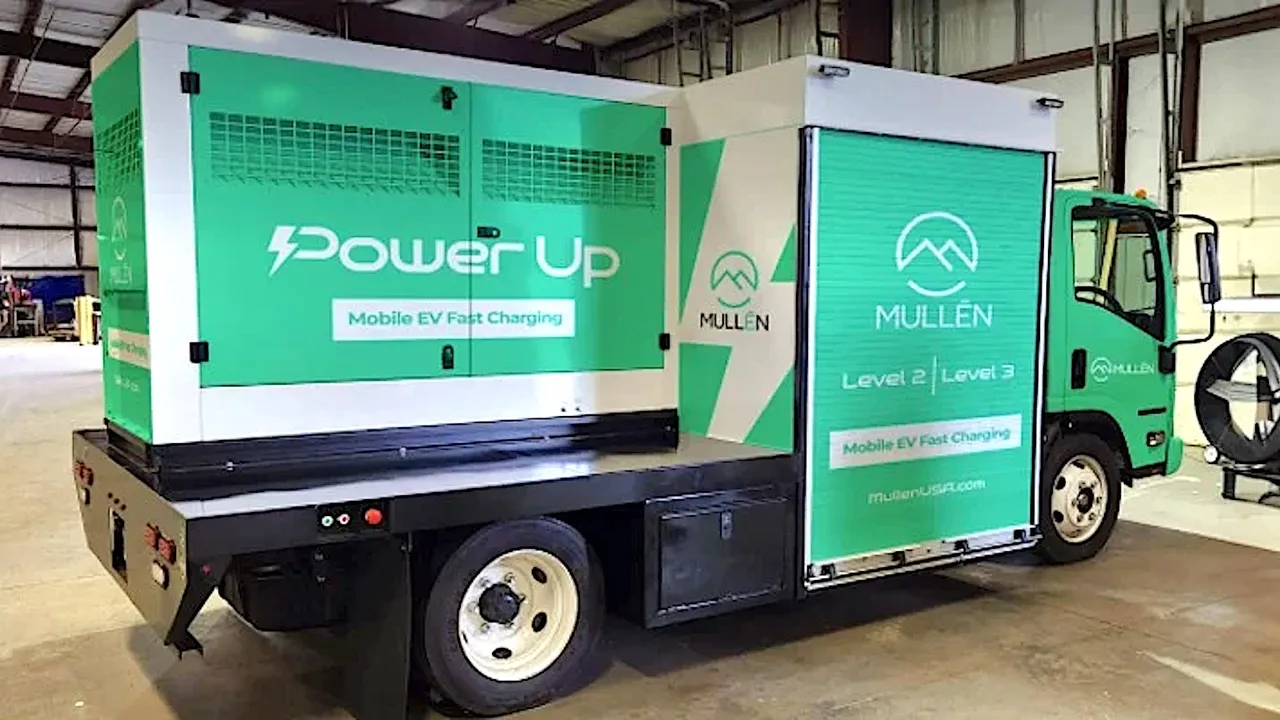
L-Charge, a California-based off-grid electric vehicle (EV) charging provider, has unveiled a groundbreaking innovation: a mobile EV charging and roadside assistance vehicle. This new product is being marketed as a first in the industry, combining high-power EV charging with all the features of a typical service truck. The Mobile EV Charging & Roadside Assistance Vehicle is equipped with a 60kW DC fast charger, capable of supporting up to 15 hours of continuous charging.
A Compact and Flexible Charging Solution
What sets this mobile charging truck apart from previous EV charging solutions is its compact design. L-Charge claims to have engineered the smallest 60kW mobile DC fast charger available in the market, allowing for full use of the truck bed and its storage compartments. This feature enables the vehicle to deliver reliable charging services while retaining its mobility and functionality as a service vehicle.
While portable EV charging has been around for some time, L-Charge’s new vehicle integrates the power source into the truck itself. This setup not only allows for roadside charging but also keeps the vehicle functional as a service truck, a key differentiator compared to other off-grid charging solutions.
Innovative Charging Without Compromising Functionality
Stephen Kelley, CEO of L-Charge, emphasized the vehicle’s versatility by describing it as “true mobile charging.” Unlike previous mobile charging solutions, this vehicle does not sacrifice space, safety, or productivity for the sake of power delivery. It combines the features of a service truck with high-power charging capabilities, making it an ideal tool for fleet operators, municipalities, and towing companies.
The mobile charging vehicle is based on the Ford 250-550 model, equipped with a 7.3L gas engine that powers the charging unit through a power take-off (PTO) system. This design eliminates the need for onboard batteries or additional fuel tanks, providing a clean and efficient solution for off-grid charging. Furthermore, the vehicle has the option to incorporate energy storage systems (ESS), providing even greater flexibility for mobile or off-grid charging solutions.
Off-Grid Charging That Reduces Emissions
What sets L-Charge apart from other off-grid charging solutions is its approach to reducing emissions. The company uses modular gas-powered generators that can operate on natural gas, renewable natural gas (RNG), or other low-carbon fuels. The generators are activated only when charging is in use, minimizing unnecessary emissions compared to traditional gas generators that run continuously.
L-Charge’s off-grid EV charging solutions are already gaining traction in the market. The company recently closed a $10 million funding round, led by Ultra Capital, with co-investment from L-Charge’s founder, Dmitry Lashin. This funding will support the continued development of L-Charge’s mobile charging solutions, as well as the broader expansion of their infrastructure in the EV industry.
Market Potential and Future Developments
The mobile EV charging truck from L-Charge is particularly important as the demand for EVs continues to rise. As more electric fleets hit the road, the need for reliable, flexible, and efficient charging solutions grows. This truck provides a much-needed alternative to static charging stations, particularly for areas that lack access to grid infrastructure or for fleets that need mobile solutions for their day-to-day operations.
L-Charge is positioning itself as a key player in the evolving EV charging ecosystem, helping to bridge the gap between traditional vehicles and the increasing need for sustainable energy solutions. With ongoing investments and continued innovation in their mobile charging technology, L-Charge is poised to play an essential role in the transition toward an electrified future.
The launch of the Mobile EV Charging & Roadside Assistance Vehicle marks a significant milestone in the EV infrastructure sector. As electric vehicles become more mainstream, solutions like these will be crucial in ensuring that the charging infrastructure can keep up with the demand and support the continued growth of the electric vehicle market.