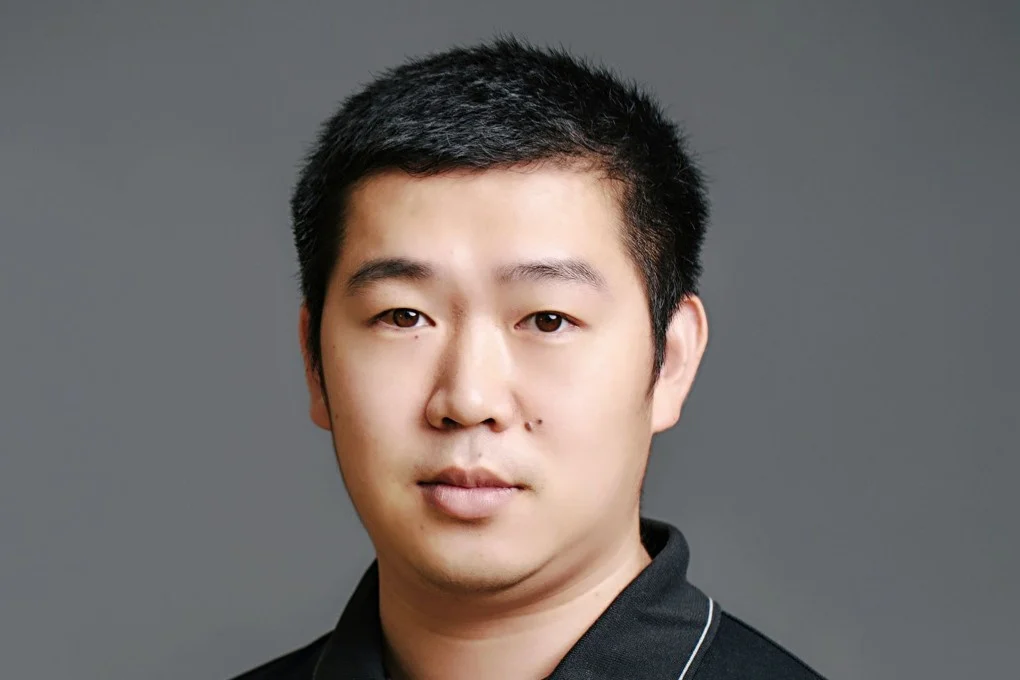
Li Hongzhi, a former senior artificial intelligence leader at Microsoft, has officially joined Tongji University in Shanghai, marking another significant return of global Chinese tech talent to the country’s growing AI sector.
The respected computer scientist previously led the GenAI Group at Microsoft AI Asia before accepting a new role as a distinguished tenured professor at Tongji University’s Institute of AI for Engineering.
His appointment highlights China’s continued push to strengthen its artificial intelligence capabilities through world-class research and international expertise.
Li Hongzhi Brings Years of Microsoft AI Experience
Li Hongzhi built much of his career inside Microsoft’s advanced research divisions after earning his PhD in computer science from Columbia University in 2016.
He joined Microsoft immediately after graduation and spent more than a decade working within Microsoft Research in the United States and Asia.
During his time at the company, Li Hongzhi held several senior positions, including:
- Principal researcher
- Principal architect
- Principal applied science manager
- Head of Microsoft AI Asia’s GenAI Group
His research focused heavily on machine intelligence, multimodal AI systems, cloud computing, and computer vision technologies.
Li Hongzhi Helped Shape Modern Computer Vision Research
One of Li Hongzhi’s best-known academic contributions came through the influential research paper “Rethinking Classification and Localisation for Object Detection.”
The paper became highly influential in the field of computer vision and has received more than 1,000 academic citations.
Published in 2020, the study introduced the “double-head method,” an AI strategy that separates classification and localisation tasks to improve object detection accuracy.
The research played an important role in advancing modern image recognition systems used across industries including:
- Autonomous driving
- Surveillance systems
- Robotics
- Medical imaging
- Smart manufacturing
Tongji University Expands AI Research Ambitions
At Tongji University, Li Hongzhi will work under Hua Xiansheng, executive dean of the university’s Institute of AI for Engineering.
Interestingly, Hua also spent more than 14 years at Microsoft Research before returning to China.
Tongji University describes its Institute of AI for Engineering as a next-generation research center focused on “AI4E,” short for AI for Engineering.
The institute aims to develop:
- Foundational AI models
- Intelligent engineering agents
- Advanced automation systems
- Industrial AI applications
The university is positioning the institute as one of Shanghai’s major artificial intelligence research hubs.
China Intensifies Global AI Talent Recruitment
The move by Li Hongzhi reflects a broader trend of Chinese scientists and AI experts returning from the United States and other global technology centers.
China has increased efforts to attract experienced researchers as competition intensifies in artificial intelligence, semiconductor development, and advanced computing.
The return of senior AI experts is viewed as strategically important as Beijing seeks to reduce dependence on Western technology ecosystems.
Several leading Chinese universities and research institutions have recently expanded hiring efforts targeting overseas Chinese scientists with experience at major firms including Microsoft, Google, and OpenAI rivals.
Why Li Hongzhi’s Return Matters
Li Hongzhi’s appointment signals the growing importance China places on advanced AI research and talent development.
His background in generative AI, cloud systems, and machine intelligence could help accelerate China’s efforts to build competitive AI platforms and engineering applications.
The move also reflects how universities are becoming central players in the global AI race, not just private technology companies.
As competition between China and the United States intensifies in artificial intelligence, researchers like Li Hongzhi are increasingly seen as valuable strategic assets.
What Happens Next
Tongji University is expected to expand its AI4E research initiatives further in the coming years.
Industry analysts believe the university may focus heavily on:
- Industrial AI systems
- Engineering-focused foundation models
- Smart city technologies
- Intelligent manufacturing
- AI agents for infrastructure development
Meanwhile, the global AI talent competition is likely to intensify as countries race to secure top researchers capable of shaping the future of artificial intelligence.