The Saudi housing market is showing clear signs of divergence, with major cities moving in different directions as property demand shifts across the kingdom. Recent data reveals that while some regions are booming, others are facing a notable slowdown.
Saudi housing market sees Jeddah reach new highs
The housing market recorded strong growth in Jeddah, where residential property sales hit a new annual record. The city’s performance highlights increasing demand driven by population growth, investment interest, and expanding urban development.
Jeddah’s real estate sector continues to attract buyers looking for both residential and investment opportunities. As a result, the city has emerged as one of the strongest performers in the Saudi housing market.
Saudi housing market growth spreads to Dammam
Dammam is also experiencing a rise in activity within the housing market. Property transactions have increased steadily, supported by improved infrastructure and growing economic activity in the Eastern Province.
This upward trend reflects a broader shift where secondary cities are gaining attention from investors and homebuyers. With more affordable pricing compared to larger cities, Dammam is becoming an attractive alternative for long-term investment.
Saudi housing market decline hits Riyadh
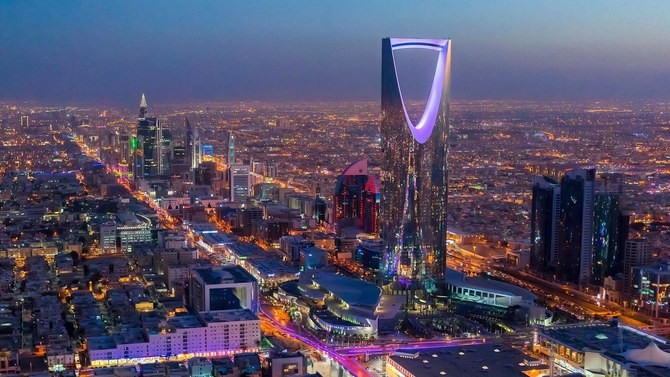
In contrast, the housing market in Riyadh has seen a significant drop in residential transactions. Despite high overall deal values, the number of sales has declined sharply, signaling reduced demand.
This slowdown may be linked to rising property prices, affordability concerns, and changing buyer preferences. Even with a growing supply of new housing units, demand has not kept pace, leading to a noticeable contraction in activity.
Saudi housing market influenced by supply trends
The housing market is also being shaped by an expanding housing supply. Riyadh alone added thousands of new residential units, with tens of thousands more expected in the coming years.
While increased supply supports long-term growth, it can create short-term pressure if demand does not match the pace of development. This imbalance is one of the key factors influencing the current market split.
Saudi housing market reflects shifting demand
Overall, the housing market is entering a more complex phase. Instead of moving in one direction, different cities are responding to local economic conditions, pricing, and buyer behavior.
Jeddah’s strong growth, Dammam’s steady rise, and Riyadh’s decline illustrate how the market is evolving. For investors and policymakers, understanding these regional differences will be essential in navigating the next phase of Saudi Arabia’s real estate development.