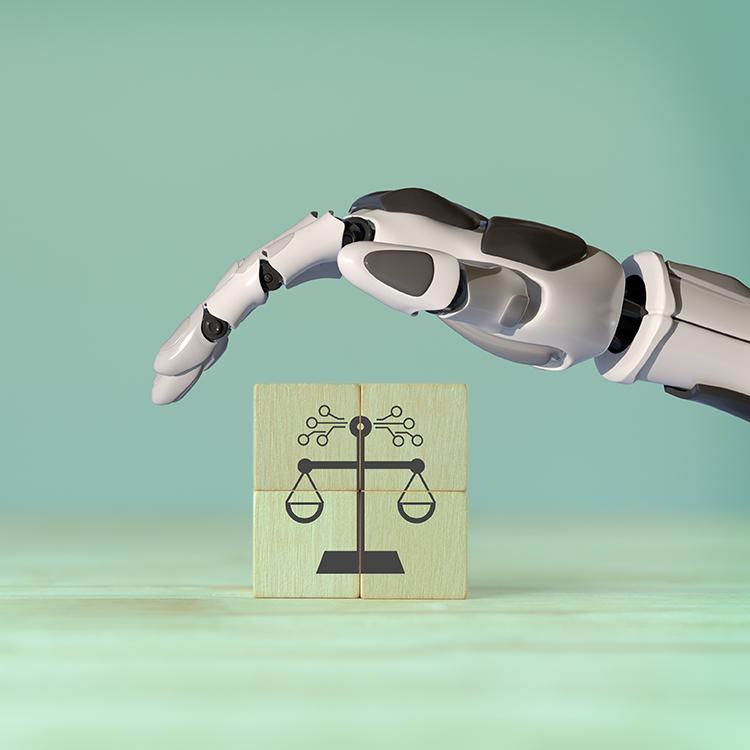
South Korea AI laws are reshaping the country’s technology landscape, introducing strict new rules aimed at boosting trust while raising concerns among startups. The government has rolled out a comprehensive legal framework to regulate artificial intelligence, marking one of the most ambitious efforts globally.
The move reflects a growing global push to control AI risks. However, it also highlights the tension between innovation and regulation, especially for emerging companies trying to scale quickly.
What South Korea AI laws require
South Korea AI laws introduce mandatory safeguards for high-impact AI systems. These include applications in healthcare, transport, finance, and critical infrastructure, where human oversight is now required.
Companies must also clearly label products that use generative or advanced AI. This ensures users can distinguish between human-created and AI-generated content.
In addition, businesses must inform users in advance when AI plays a significant role in a product or service. These measures aim to improve transparency and accountability across the industry.
Why South Korea AI laws worry startups
Despite the benefits, the AI laws have triggered concern among startups. Many founders argue that unclear language in the legislation could slow innovation.
Some companies fear they may take a cautious approach to avoid penalties. This could limit experimentation and reduce competitiveness in a fast-moving global market.
There is also concern about compliance costs. Startups often operate with limited resources, and meeting regulatory requirements could create additional pressure.
Government response to the AI laws
Officials have acknowledged these concerns and signaled willingness to support the industry. Authorities plan to provide guidance tools and establish support centres to help companies adapt.
A grace period of at least one year will give businesses time to comply before penalties are enforced. Regulators are also considering extending this period depending on industry conditions.
The government maintains that the goal is to balance innovation with safety. By setting clear standards, it aims to build trust and position the country as a global AI leader.
Global context of AI laws
South Korea AI laws arrive at a time when countries are taking different approaches to regulation. The United States has largely adopted a lighter framework to encourage innovation, while China has introduced targeted controls.
Meanwhile, Europe is implementing its AI Act in phases. Compared to these regions, South Korea’s approach stands out for its speed and scope.
This divergence reflects ongoing global debate. Policymakers are still trying to determine how to regulate AI without slowing progress.
South Korea AI laws represent a bold step toward regulating artificial intelligence. While they promise greater transparency and safety, they also raise important questions about the future of innovation.
As the rules take effect, the challenge will be finding the right balance. If managed well, the framework could strengthen trust and drive sustainable growth in the AI sector.