AI in education is rapidly reshaping classrooms, but a new book argues that human teaching practices will remain essential despite growing advances in artificial intelligence.
Researchers and educators are increasingly debating how AI tools should be used in schools as technology companies expand their presence in the education sector. A newly released book, Irreplaceable: How AI Changes Everything (And Nothing) in Teaching and Learning, explores both the opportunities and risks surrounding AI-driven learning systems.
AI in Education Sparks New Debate
The book was co-authored by Maya Bialik, a doctoral student at Boston University’s Wheelock College of Education & Human Development, alongside education technology expert Peter Nilsson.
According to Bialik, the goal of the project is to create a more balanced and practical discussion around artificial intelligence in schools rather than framing the issue as simply supporting or opposing AI.
She explained that conversations surrounding AI in education often lack nuance, with educators, researchers, and technology developers frequently approaching the issue from very different perspectives.
The authors argue that meaningful progress will require stronger collaboration between teachers, school leaders, researchers, and technology companies.
Why Human Teaching Still Matters
One of the book’s central arguments is that AI can support education but cannot replace the core human elements of teaching and learning.
Bialik said her research focuses on understanding how technology can enhance proven educational practices instead of disrupting them unnecessarily.
The book examines different teaching philosophies and explores how artificial intelligence creates both opportunities and risks depending on educational goals.
The authors highlight concerns that education technology is often shaped more by startup business models and marketing strategies than by research into how students actually learn.
They warn that schools could adopt poorly designed AI tools if decision-makers fail to prioritise teaching quality and student outcomes.
AI in Education Already Expanding
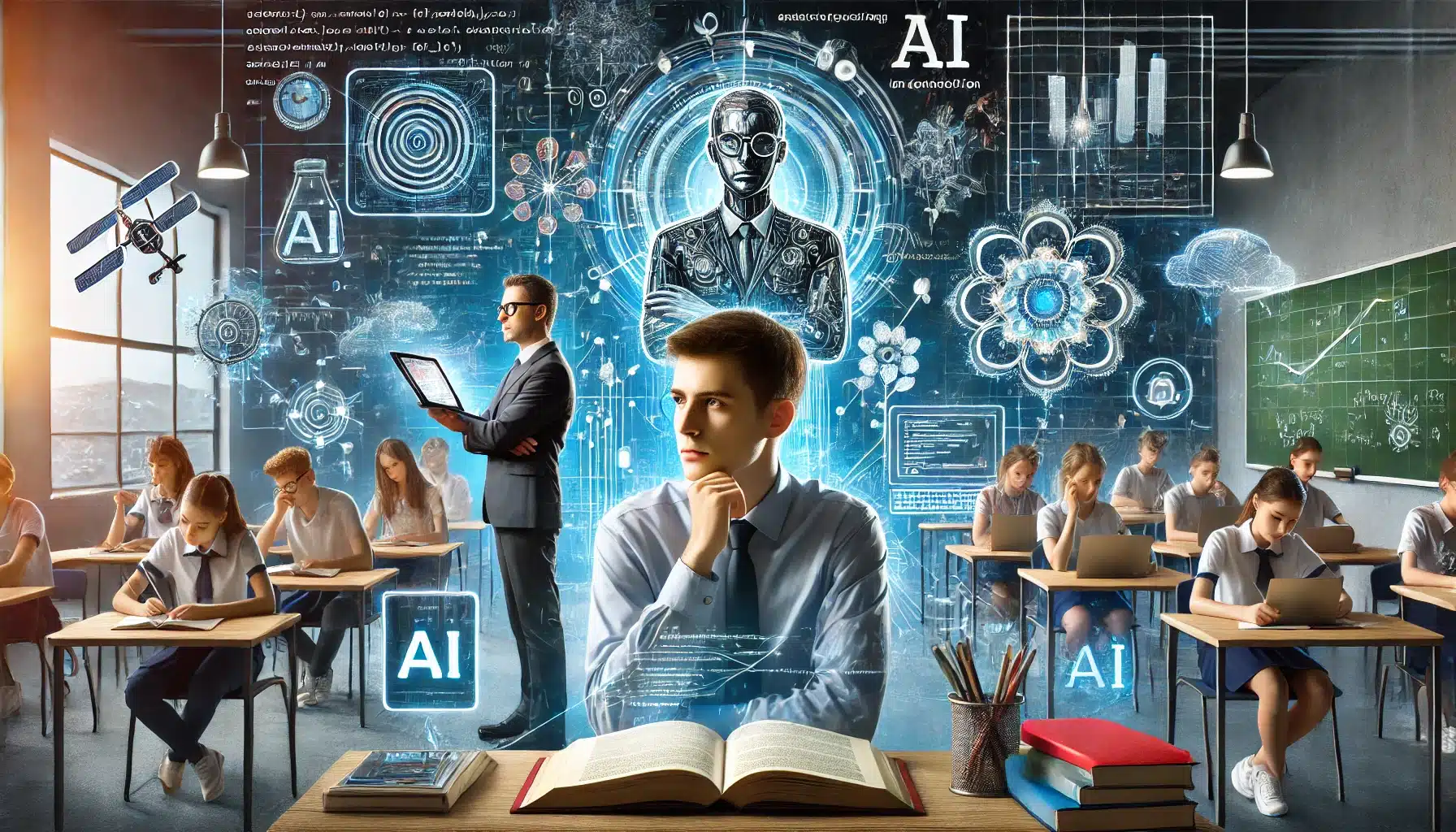
Artificial intelligence tools are already becoming more common in classrooms worldwide. Schools and universities increasingly use AI for personalised learning, automated feedback, lesson planning, tutoring systems, and administrative tasks.
The rise of platforms like ChatGPT has accelerated discussions about academic integrity, teacher workloads, and the future role of educators.
Supporters of AI in education believe the technology can improve efficiency, personalise instruction, and help students access information more quickly.
Critics, however, worry about overreliance on automation, reduced human interaction, privacy concerns, and the spread of inaccurate information.
Bialik said the conversation should focus less on whether AI is “good” or “bad” and more on how it can responsibly support learning goals.
Educators Seeking Balanced AI Strategies
The book encourages schools to adopt a human-centered approach to artificial intelligence by ensuring that technology supports educational values rather than replacing them.
Bialik believes educators and researchers must become more involved in shaping future AI systems instead of leaving development entirely to technology companies.
She warned that if education stakeholders fail to collaborate effectively, schools may end up using tools that are commercially successful but educationally harmful.
The authors also stress the importance of creating shared frameworks that allow educators, technologists, and policymakers to work together more effectively.
Future of AI in Education
Experts believe AI in education will continue evolving rapidly over the coming years as schools adopt new digital learning systems and governments invest more heavily in education technology.
However, the book argues that successful integration will depend on maintaining strong human involvement in teaching, decision-making, and student support.
As debates around AI continue growing globally, educators are increasingly searching for ways to balance innovation with ethical responsibility and meaningful learning experiences.
The authors hope the book helps shift the conversation away from extreme positions and toward more thoughtful discussions about how AI can improve education without undermining the role of teachers.