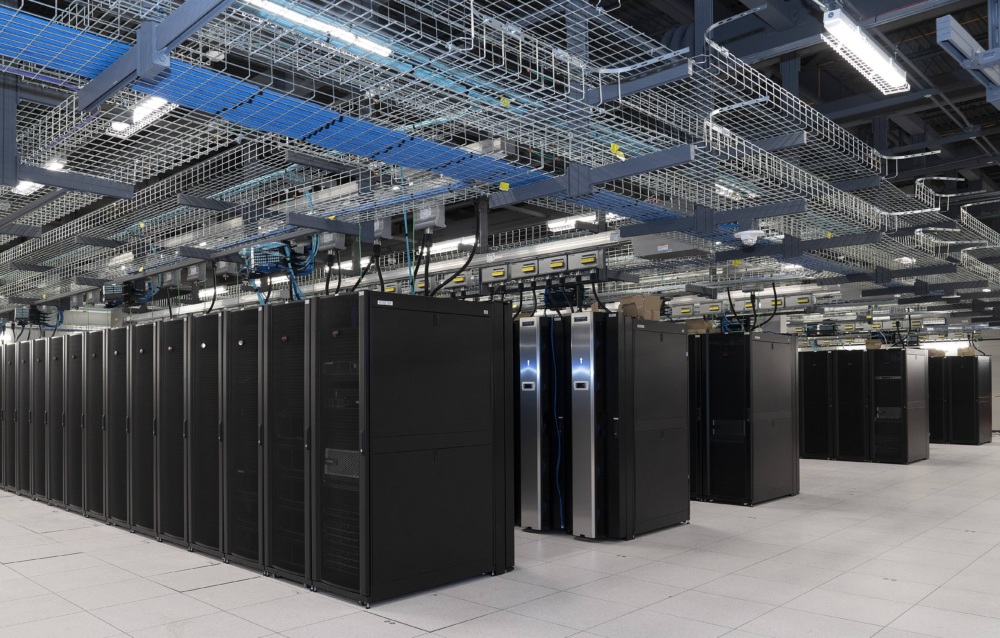
Africa is facing mounting pressure to overhaul its electricity infrastructure as artificial intelligence drives explosive growth in data center demand across the continent.
Industry experts warn that traditional energy planning models focused on incremental megawatt-scale expansion are no longer sufficient for the AI era.
The rapid expansion of Africa AI data centers is now forcing governments, utilities and investors to rethink how future electricity systems should be designed.
Analysts say the continent must begin preparing for gigawatt-scale digital infrastructure capable of supporting hyperscale computing and AI-driven economies.
Africa AI data centers reshape electricity demand
Artificial intelligence is triggering one of the largest structural changes in global electricity consumption in decades.
Modern AI systems require enormous computing power. This demand is driving rapid expansion of hyperscale data centers worldwide.
Facilities that once consumed tens of megawatts are now being developed at 100MW, 200MW and even gigawatt scale.
Experts project that global data center electricity demand could approach 945 terawatt-hours annually by 2030.
The rise of Africa AI data centers is linked to expanding cloud computing, generative AI adoption and growing enterprise digitisation.
African energy systems face new pressure
Many African electricity systems were originally designed around localized industrial loads and short-term supply expansion.
However, AI-focused data centers create very different demands.
Unlike traditional factories, hyperscale facilities require uninterrupted electricity, stable grid frequency and built-in redundancy systems.
They also need advanced cooling systems and long-term scalability.
Energy analysts say these requirements place enormous pressure on power generation capacity and transmission infrastructure.
As Africa AI data centers continue expanding, governments may need to accelerate investment in grid modernization and energy resilience.
Africa’s data center market growing rapidly
Africa’s operational data center capacity currently stands at roughly 300MW to 400MW.
However, projections suggest this could rise to between 1.5GW and 2.2GW by 2030.
Electricity consumption linked to data centers is also increasing rapidly, with annual growth rates estimated between 20% and 25%.
Industry growth is being driven by several factors, including:
- AI adoption
- Cloud services expansion
- Fintech growth
- E-commerce development
- Mobile internet penetration
- Digital government services
Countries such as South Africa, Kenya, Nigeria, Egypt and Morocco are increasingly emerging as digital infrastructure hubs.
Gigawatt-scale planning becoming essential
Experts say Africa AI data centers require a major shift in long-term energy strategy.
Instead of relying on piecemeal infrastructure expansion, policymakers are being urged to plan for:
- Gigawatt-scale power generation
- Dedicated data center energy corridors
- Integrated telecom and energy infrastructure
- Large transmission upgrades
- Strategic digital infrastructure zones
Industry stakeholders argue that future energy systems must anticipate AI-driven demand before it fully materializes.
Analysts say coordination between governments, telecom firms, cloud providers and infrastructure investors will become increasingly important.
Excess electricity capacity gaining new value
One of the biggest shifts involves how governments view spare electricity generation capacity.
Historically, excess power capacity was often considered financially inefficient because of underutilisation and infrastructure costs.
However, the growth of Africa AI data centers is changing this perspective.
Experts now argue that surplus electricity can improve grid stability, attract hyperscale investment and support future industrial growth.
Reliable energy availability is increasingly becoming a competitive advantage in the global digital economy.
Northern Virginia shows future scale of demand
Industry analysts frequently point to Northern Virginia as an example of how quickly AI infrastructure can scale.
The region has already surpassed 4GW of installed data center capacity, with more than 1GW added within a single year.
The expansion has been driven largely by cloud computing companies and AI firms.
Experts say Africa AI data centers could eventually follow similar growth patterns if digital adoption and investment accelerate.
African Energy Week to focus on AI infrastructure
The intersection of artificial intelligence, data centers and energy infrastructure is expected to become a major topic at African Energy Week 2026.
The conference will examine grid modernization, telecom-energy integration and investment strategies tied to AI infrastructure development.
NJ Ayuk warned that Africa risks falling behind if it continues planning energy systems only at megawatt scale.
He argued that future competitiveness will depend on building larger and more resilient electricity systems capable of supporting AI investment and digital industrialization.
As global economies increasingly depend on artificial intelligence, Africa AI data centers may become one of the continent’s most important long-term infrastructure and economic challenges.