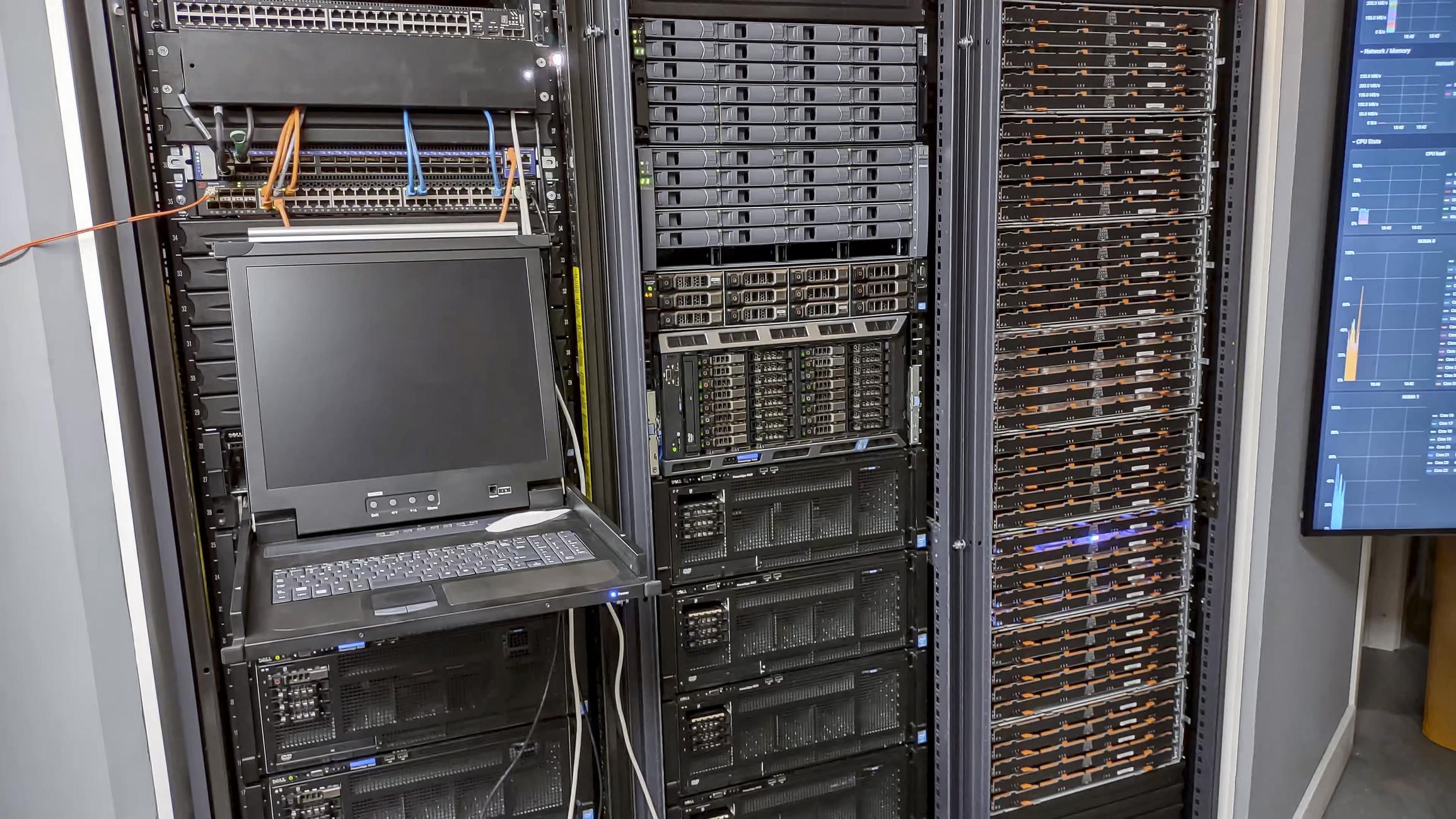
The emerging threat of AI data center attacks is raising serious concerns about the future of digital infrastructure in the Gulf. Recent drone strikes targeting commercial data centers in the United Arab Emirates and Bahrain have exposed a new dimension of modern warfare, where digital infrastructure becomes a strategic target.
Security analysts say the attacks signal a shift in conflict tactics. Instead of focusing only on military bases or energy facilities, adversaries may increasingly target the technology systems that power modern economies.
AI Data Center Attacks Mark New Warfare Strategy
The AI data center attacks reportedly involved drones striking large cloud computing facilities operated by Amazon Web Services. The incidents triggered fires and power disruptions that forced systems to shut down temporarily.
Such facilities play a crucial role in the global digital economy. Data centers store and process vast amounts of information used by businesses, financial systems, and everyday mobile applications.
Following the strikes, millions of people across the United Arab Emirates experienced disruptions to digital services. Some residents could not access banking apps, book transportation, or place online orders through mobile platforms.
The incidents demonstrate how attacks on digital infrastructure can quickly affect daily life.
Gulf AI Ambitions Face New Security Questions
The AI data center attacks also raise questions about the Gulf region’s ambitions to become a global hub for artificial intelligence development.
Countries such as the United Arab Emirates have invested billions of dollars in building large scale computing infrastructure to support AI innovation. Governments see artificial intelligence as a critical driver of future economic growth.
Analysts say the region’s abundant energy resources and strong investment capacity make it an attractive location for high performance computing centers.
However, the recent attacks highlight potential vulnerabilities that investors and governments may now need to address.
Protecting Data Infrastructure in the Gulf
Experts warn that protecting data infrastructure may require new security strategies. Traditionally, data centers rely on cybersecurity systems and physical security guards.
But the rise of AI data center attacks suggests that physical defense measures may also become necessary.
Some analysts argue that major data centers could eventually require air defense systems or other advanced protective technologies. Similar approaches have been used in other sectors where infrastructure faces high security risks.
The challenge is especially important for the Gulf, where digital infrastructure supports financial systems, logistics networks, and cloud computing services used across the region.
AI Data Center Attacks Could Influence Investment
The long term impact of AI data center attacks may depend on how governments and technology companies respond.
Investors are likely to ask whether digital infrastructure in the region can be adequately protected against future threats. If security measures improve, the Gulf could still remain an attractive destination for global technology investment.
At the same time, experts warn that cyber operations could also pose a serious risk. In addition to physical attacks, hackers could attempt to disrupt cloud services or compromise digital networks connected to major data centers.
Despite these concerns, analysts believe the Gulf’s ambition to become a global AI hub will continue. However, the recent incidents serve as a reminder that in the digital age, technology infrastructure can quickly become a frontline target in modern conflicts.