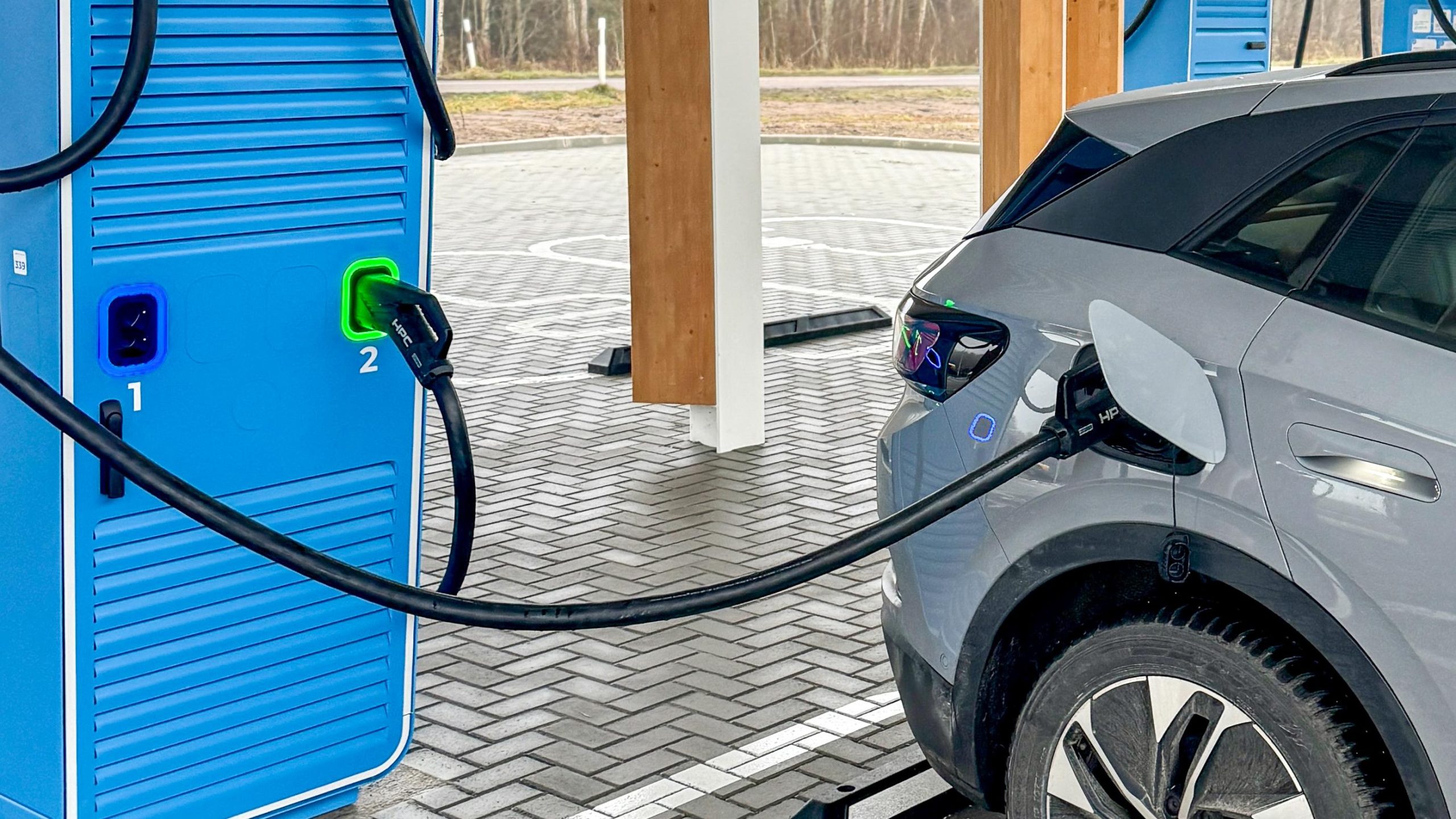
The EV sales decline in the United States is forcing automakers to rethink their electric vehicle strategies as demand slows sharply following policy changes and rising prices.
For several years, car manufacturers invested billions into electric vehicles, betting on a rapid transition away from gasoline engines. However, recent data suggests the EV market has lost momentum, raising questions about how quickly consumers are ready to adopt fully electric transportation.
EV Sales Decline After Tax Incentives Expire
The EV sales decline began shortly after the expiration of a $7,500 federal tax credit that previously helped make electric vehicles more affordable.
According to industry data, EVs accounted for nearly 12 percent of the U.S. auto market last September, marking a record high. By January, that share had dropped to around 6 percent.
Sales figures also showed a steep drop month-to-month. Electric vehicle purchases in January fell roughly 20 percent compared with December.
Analysts say the loss of government incentives has exposed the real challenge for the industry: convincing consumers to pay higher prices for electric models.
EV Sales Decline Forces Industry Write-Offs
The sales decline has already triggered major financial consequences across the auto industry. Several manufacturers have written off billions of dollars invested in new factories, battery technology and electric vehicle development.
Many companies are now shifting focus toward hybrid vehicles instead of fully electric models. Hybrids offer improved fuel efficiency while still using traditional engines, which some buyers currently prefer.
Industry experts say the transition to electric mobility may now move at a slower pace than previously expected.
EV Sales Decline Linked to Policy Changes
Government policy changes have also played a role in the EV sales decline. Several environmental regulations designed to accelerate electric vehicle adoption have been weakened or reversed.
Previous targets aimed for half of all new vehicles sold by 2030 to be electric. However, newer policy shifts have reduced pressure on automakers to meet aggressive EV production goals.
Fuel economy requirements have also been relaxed, allowing manufacturers to produce more gasoline-powered vehicles.
As a result, companies are now reconsidering how many electric models they plan to launch in the coming years.
EV Sales Decline Puts Pressure on EV-Only Brands
The sales decline presents particular challenges for companies focused primarily on electric vehicles.
Brands such as Tesla, Rivian and Lucid depend heavily on EV demand. To maintain sales momentum, some manufacturers are introducing incentives like zero-percent financing or price adjustments.
Traditional automakers, however, have more flexibility because they still sell gasoline and hybrid vehicles alongside electric models.
EV Sales Decline May Be Temporary
Despite the slowdown, analysts believe electric vehicles will remain an important part of the future automotive landscape.
Modern EVs now offer ranges exceeding 300 miles, reducing concerns about long-distance driving. Charging networks are also expanding across the United States, making ownership more practical.
The key challenge remains affordability. Many electric vehicles currently sell for more than $60,000, placing them beyond the reach of many consumers.
Industry observers say the next phase of EV growth will depend on manufacturers introducing lower-cost models with strong performance and reliable charging support.
While the EV sales decline has created uncertainty, experts argue the shift toward electric transportation is far from over. Instead, the market may simply be entering a more realistic stage of growth where technology, pricing and infrastructure must align with consumer expectations.