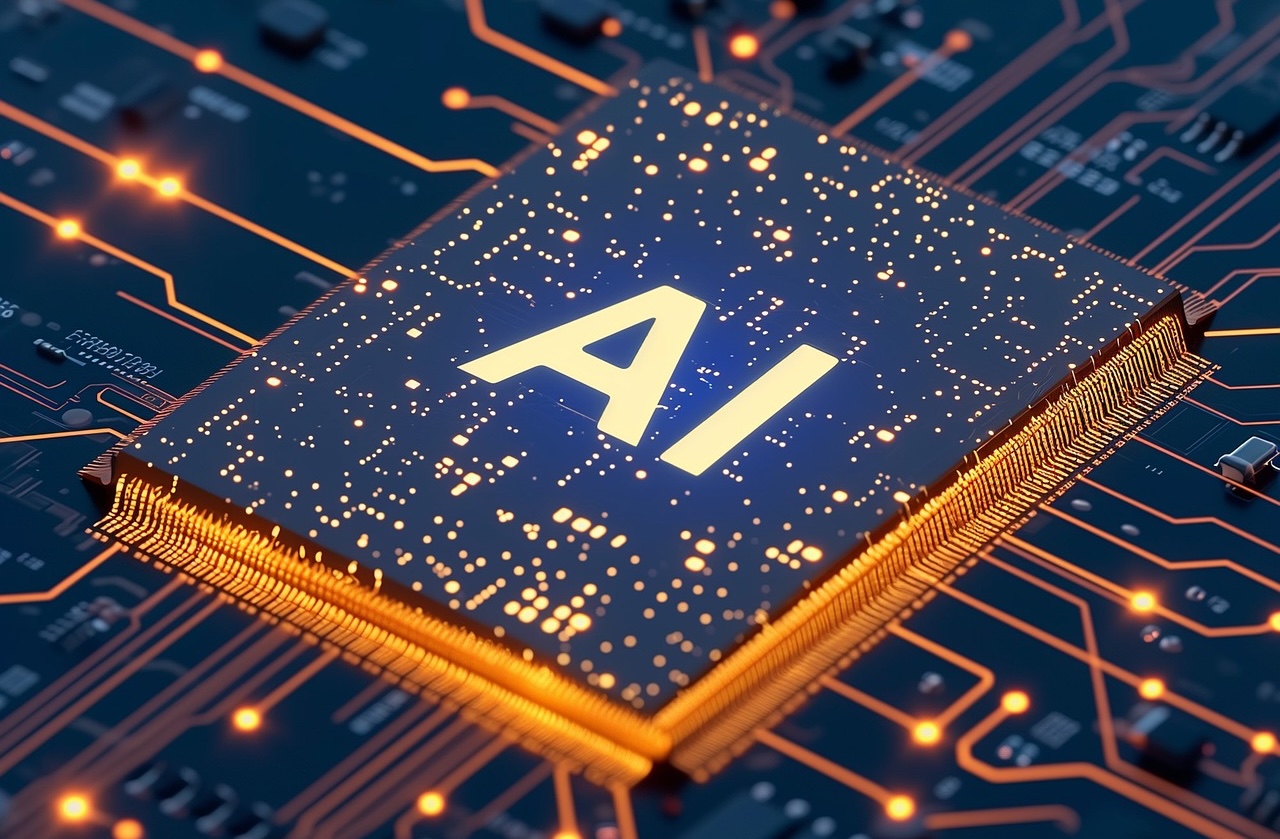
China is preparing a massive China AI fund that could invest about $295 billion over the next five years to strengthen the country’s artificial intelligence infrastructure.
The plan is aimed at building a nationwide network of AI-powered data centers and computing hubs as Beijing works to reduce reliance on foreign technology and compete more aggressively with the United States in advanced computing.
The proposed fund, reportedly worth around 2 trillion yuan, comes as global technology companies and governments race to secure chips, data centers, cloud systems and other infrastructure needed to support the next generation of artificial intelligence.
For China, the investment would mark another major step in its long-term push to build a stronger domestic AI ecosystem.
China AI Fund Could Transform National Computing Power
The China AI fund is expected to focus heavily on data centers and interconnected computing hubs across the country.
These facilities would support the massive processing power required for AI models, cloud services, robotics, research systems and advanced industrial applications.
The plan is reportedly being shaped with input from the National Development and Reform Commission, one of China’s key economic planning agencies.
If implemented, the strategy could help China expand its AI infrastructure at a time when computing power has become one of the most important foundations of technological competition.
Why China Is Investing Heavily in AI
China’s planned investment reflects the growing importance of artificial intelligence in national security, economic growth and industrial development.
AI is now central to areas such as manufacturing, healthcare, finance, transportation, education, defense technology, robotics and scientific research.
Countries that control stronger AI infrastructure are likely to have an advantage in developing advanced models, automating industries and supporting new digital services.
Beijing’s latest plan suggests it wants to move faster in building the infrastructure needed to support long-term AI innovation.
The China AI fund would also help local companies scale their technologies and reduce dependence on overseas suppliers.
Huawei Expected to Play Key Supplier Role
Huawei is expected to be one of the important suppliers in China’s AI infrastructure strategy.
The company has been working to strengthen its position in AI semiconductors and computing systems, especially as China faces continued restrictions on access to advanced chips from the United States.
Huawei’s role could include supplying AI chips and related technology for the new computing hubs.
That would support Beijing’s broader goal of relying more on domestic technology providers for critical components.
The plan reportedly targets 80% domestic sourcing for technology components used in the new infrastructure network.
China Mobile and China Telecom Could Manage Data Centers
Major Chinese telecom companies are also expected to be involved in the project.
China Mobile and China Telecom could help manage the data centers and ensure that the computing hubs are properly connected.
Their participation would make sense because telecom companies already operate large-scale network infrastructure and have experience managing national digital systems.
By linking data centers through a coordinated network, China could create a more efficient foundation for AI development.
This would allow institutions, companies and research centers to access stronger computing capacity across different regions.
A Response to Global AI Competition
The China AI fund comes at a time when the global AI race is becoming more intense.
In the United States, major technology companies have been spending heavily on data centers, chips and AI systems. Companies such as Nvidia have also expanded partnerships with international firms to strengthen AI hardware and infrastructure.
China’s proposed investment shows that Beijing does not want to fall behind in this race.
The country has already made major progress in areas such as chip development, cloud computing, robotics and AI applications. However, access to the most advanced semiconductors remains a challenge because of export restrictions.
That makes domestic AI infrastructure even more important for China’s long-term strategy.
Supporting Quantum Computing and Humanoid Robots
The planned AI infrastructure is not only about data centers.
China also wants to use stronger computing power to support emerging technologies such as quantum computing and humanoid robots.
Quantum computing could transform fields such as cryptography, scientific modeling, materials research and complex optimization.
Humanoid robots, meanwhile, are becoming a major focus for companies trying to combine AI, sensors, automation and advanced hardware.
Both sectors require powerful computing systems and strong AI development platforms.
By investing in national AI infrastructure, China could give these industries more room to grow.
Domestic Technology Becomes a Priority
One of the most important parts of the plan is the focus on local suppliers.
China reportedly wants 80% of the technology components used in the computing hubs to come from domestic companies.
This reflects a wider policy direction. Beijing has been encouraging more self-reliance in semiconductors, software, cloud services and advanced manufacturing.
The goal is to reduce vulnerability to foreign restrictions and build a technology ecosystem that can operate independently.
For Chinese firms, the China AI fund could create major new opportunities in chips, servers, networking equipment, data center construction, software and AI services.
AI Infrastructure Becomes the New Battleground
Artificial intelligence is often discussed in terms of apps, chatbots and software, but the real competition increasingly depends on infrastructure.
AI models need huge amounts of computing power. They also require reliable data centers, advanced chips, fast networks and energy supply.
Without that foundation, countries and companies cannot train or deploy powerful AI systems at scale.
China’s proposed fund shows that Beijing understands this reality.
The investment would help build the physical and digital backbone needed for AI development over the next five years.
What the Plan Means for Huawei
For Huawei, the plan could strengthen its position as one of China’s most important technology companies.
The company has been working to expand beyond smartphones and telecom networks into cloud computing, AI chips, enterprise systems and digital infrastructure.
If Huawei becomes a major supplier for China’s AI computing hubs, it could gain a stronger role in the country’s national AI strategy.
That would also support Huawei’s efforts to compete in advanced computing despite international pressure and technology restrictions.
The plan could help the company expand demand for its AI semiconductor products and related infrastructure solutions.
China’s AI Ambitions Are Accelerating
China has made clear that artificial intelligence is a major priority for the next stage of its technology development.
The proposed fund would support that ambition by giving the country more computing capacity, stronger domestic supply chains and better infrastructure for AI research and deployment.
It could also help Chinese companies compete more effectively with foreign rivals in areas such as generative AI, industrial automation, robotics and cloud intelligence.
The scale of the planned investment suggests Beijing sees AI as a strategic pillar of future economic and technological power.
China AI Fund Could Reshape the Global AI Race
The China AI fund could become one of the most important national AI infrastructure projects in the world if fully implemented.
By investing $295 billion over five years, China would be sending a strong signal that it intends to compete at the highest level of artificial intelligence development.
The plan could benefit domestic chipmakers, telecom operators, cloud providers, robotics companies and AI developers.
It could also intensify competition with the United States and other major technology powers.
As AI becomes more central to global influence, infrastructure will matter as much as innovation. China’s planned investment shows that the country is preparing for a long race, not a short technology cycle.