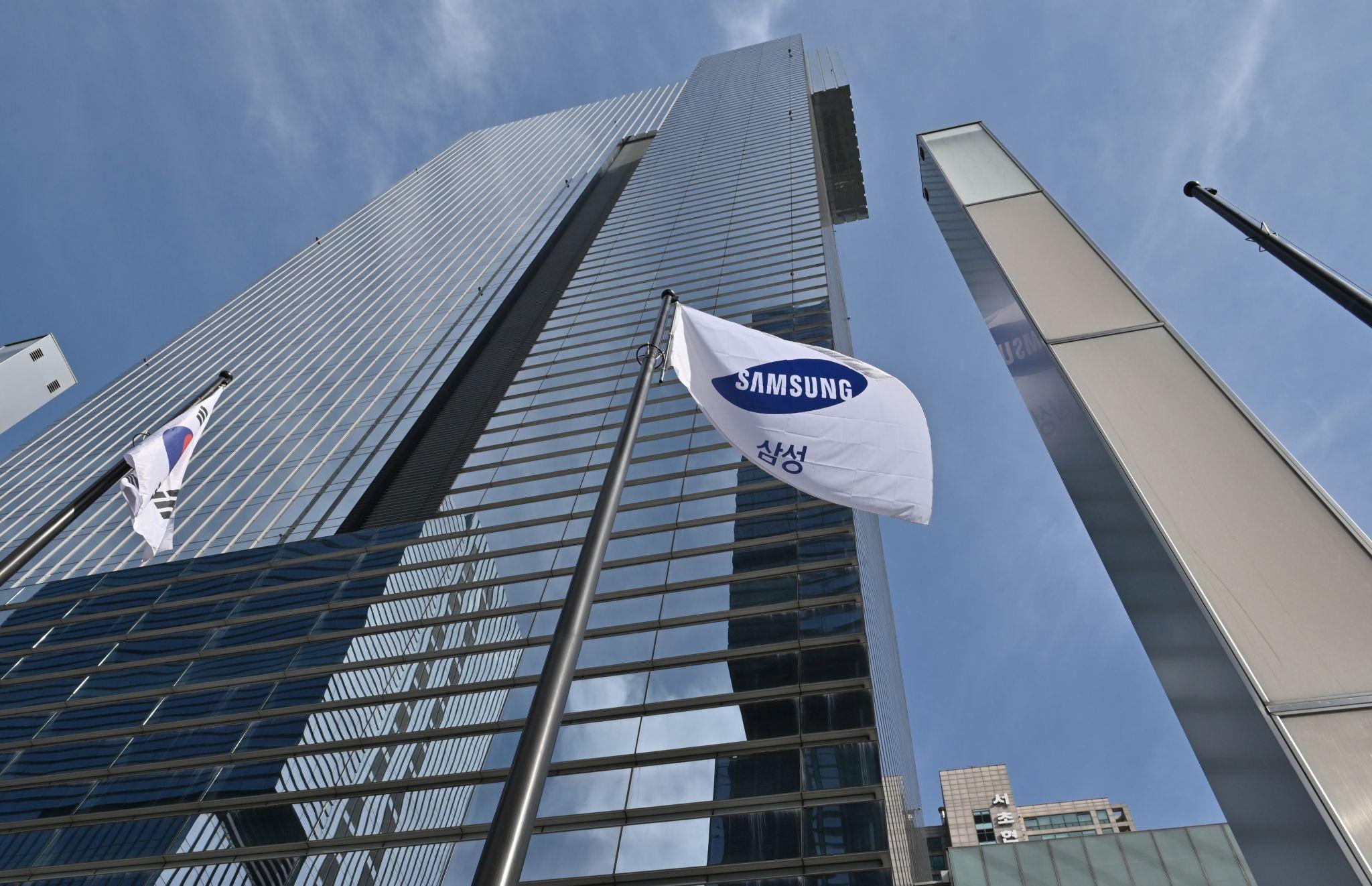
Samsung union strike tensions are rising inside South Korea’s largest technology company as employees accuse union leaders of pressuring members to support a planned walkout.
The controversy comes ahead of a crucial vote among union members that could lead to a major strike at Samsung Electronics. The dispute centers on wages and bonuses, but critics say the tactics used to rally support are now becoming the biggest issue.
Samsung Union Strike Vote Could Trigger Major Walkout
The Samsung union strike debate intensified after the company’s joint labor headquarters announced a strike vote scheduled to begin this week.
Union members will vote from Monday through March 18 to decide whether to approve industrial action. If more than half support the strike, the union plans to hold a rally in April before launching a large-scale walkout between May 21 and June 7.
The joint labor headquarters represents roughly 89,000 Samsung Electronics employees, making the vote one of the most significant labor decisions in the company’s history.
If approved, the Samsung union strike would mark only the second major strike since the company was founded decades ago.
Samsung Union Strike Pressure Sparks Employee Backlash
The Samsung union strike debate escalated after comments from union leader Choi Seung-ho during an online livestream.
Choi encouraged workers to join the strike and suggested that the union might track employees who continue working during the planned protest.
According to his remarks, union officials could maintain lists of workers who refuse to join the strike and consider those records when addressing transfers or layoffs.
The union is also reportedly discussing rewards for employees who report colleagues that continue working during the strike.
These statements triggered criticism from some employees who say they now feel trapped between company expectations and union pressure.
One employee said joining the strike could risk disciplinary action from the company, while refusing to join might lead to consequences from union leadership.
Samsung Union Strike Divides Workforce
Not all workers oppose the union’s strategy. Some employees argue that strong participation is necessary to force management to negotiate.
Supporters believe the strike could be the best chance for workers to secure improvements in compensation and workplace policies.
Many employees fear that missing the opportunity to take collective action now could weaken future bargaining power.
However, critics warn that internal divisions could deepen if the union continues using aggressive tactics to build support.
Samsung Union Strike Could Impact Chip Production
Industry analysts say the Samsung union strike could affect the company’s semiconductor production if a large number of workers participate.
About 50,000 union members are employed in Samsung’s Device Solutions division, which oversees the company’s critical semiconductor operations.
These facilities manufacture advanced memory products, including high bandwidth memory chips used in artificial intelligence systems and advanced graphics applications.
Any disruption could affect supply chains in the global technology industry, particularly in markets relying on high-performance memory components.
Bonus System Dispute Drives Samsung Union Strike
The root of the union strike dispute lies in disagreements over employee compensation and bonus structures.
The union has reduced its demand for a base salary increase to five percent. However, it is pushing for changes to the company’s performance-based bonus system.
Union leaders want Samsung to clarify how its overall performance incentive program works and remove the cap that limits bonus payouts.
Samsung management has proposed two possible formulas for calculating bonuses. One option uses twenty percent of company value after taxes and costs, while another uses ten percent of operating profit.
Company officials argue that removing bonus caps could create unfair advantages for divisions that generate higher profits than others.
As negotiations continue, the upcoming vote will determine whether the union strike becomes one of the most significant labor disputes in the global technology sector.