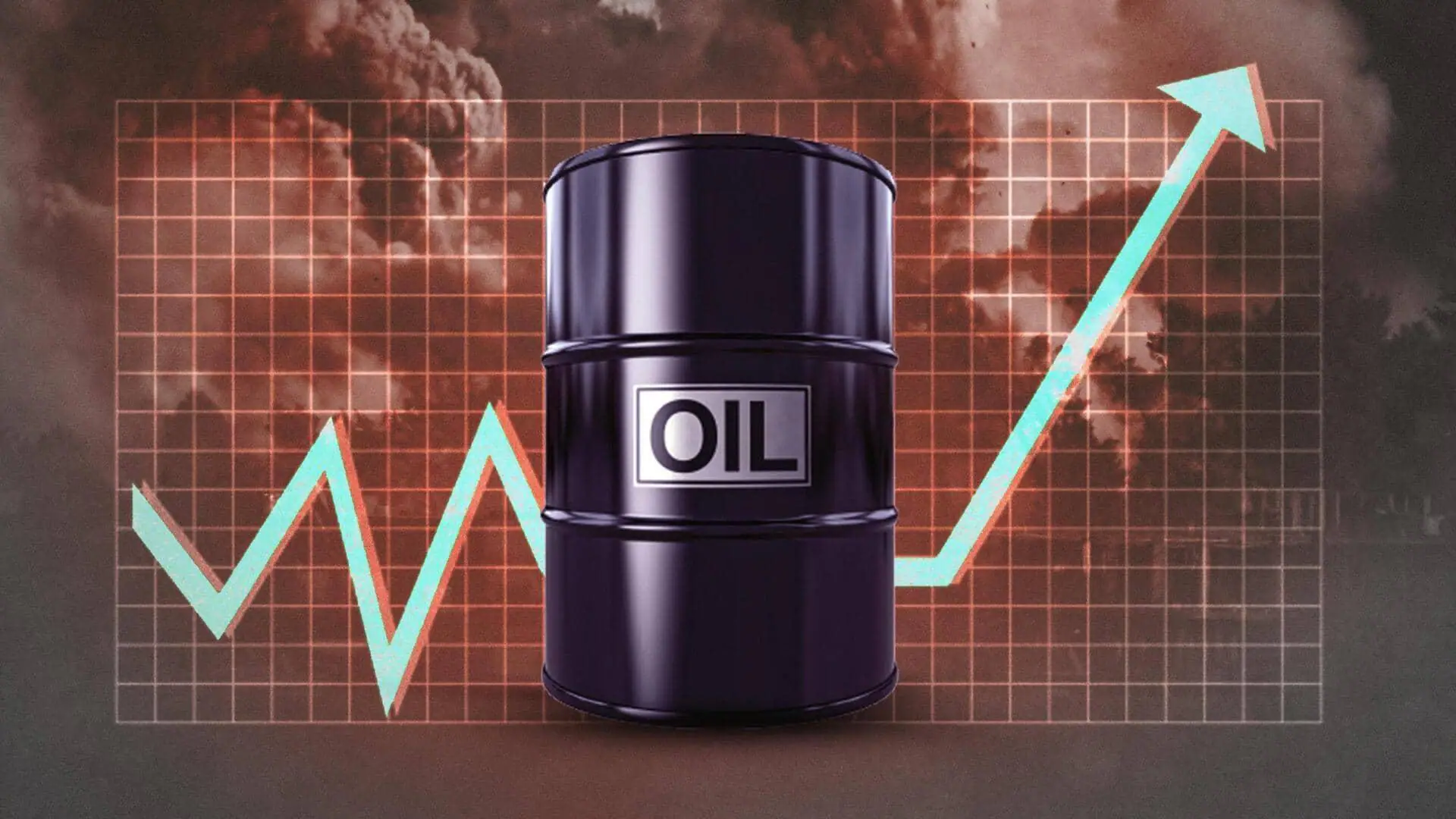
Oil prices dropped on Thursday, reversing the previous session’s gains. The decline followed U.S. President Donald Trump softening his stance on Greenland and Iran. Investors reassessed the supply and demand outlook, which led to market fluctuations. Brent crude fell by 61 cents, or 0.9%, to $64.63 a barrel at 0954 GMT. West Texas Intermediate (WTI) for March dropped by 54 cents, or 0.9%, to $60.08 a barrel.
The price increase earlier this week had been driven by OPEC+ member Kazakhstan halting production at its Tengiz and Korolev oilfields. The halt was due to power distribution issues. On Wednesday, prices had climbed more than 0.4%, following a 1.5% rise the day before. Ole Hansen, Saxo Bank’s chief commodity analyst, noted that the risk premium tied to Greenland and Iran had eased, causing the price drop.
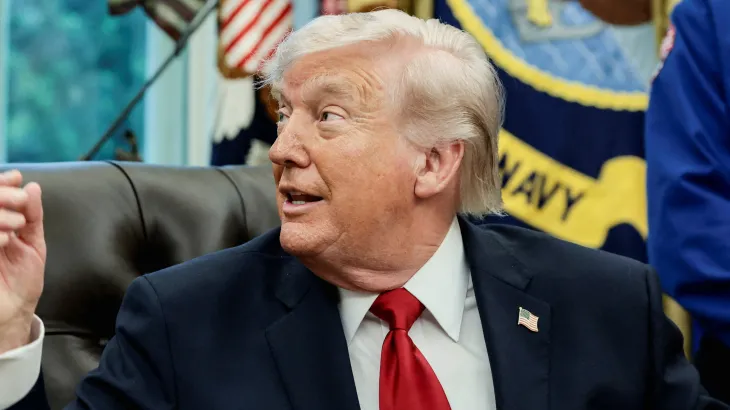
Trump’s comments about Greenland and Iran impacted the market. On Wednesday, Trump ruled out using force to take Greenland and backed off from tariff threats aimed at European allies. He also said he hoped the U.S. could avoid more military action in Iran, but added the U.S. would act if Iran resumed its nuclear program.
Despite these developments, analysts predict oil prices will hold around $60 a barrel. Tony Sycamore, an analyst with IG, said that the de-escalation on Greenland and Iran would keep oil prices stable.
Trump also commented on the possibility of ending the war between Russia and Ukraine. If a deal is reached, it could lead to the removal of U.S. sanctions on Russia, which would reduce supply disruptions and lower prices. The International Energy Agency (IEA) revised its 2026 global oil demand growth forecast higher. This suggests a slightly narrower surplus this year.
U.S. crude and gasoline stocks increased, while distillate inventories fell. According to the American Petroleum Institute (API), crude stocks rose by 3.04 million barrels for the week ending on January 16. Gasoline inventories grew by 6.21 million barrels, while distillate inventories dropped by 33,000 barrels.
These higher-than-expected inventories limited further oil price gains. The market remains oversupplied. Yang An from Haitong Futures noted that high crude inventories continue to suppress price increases.