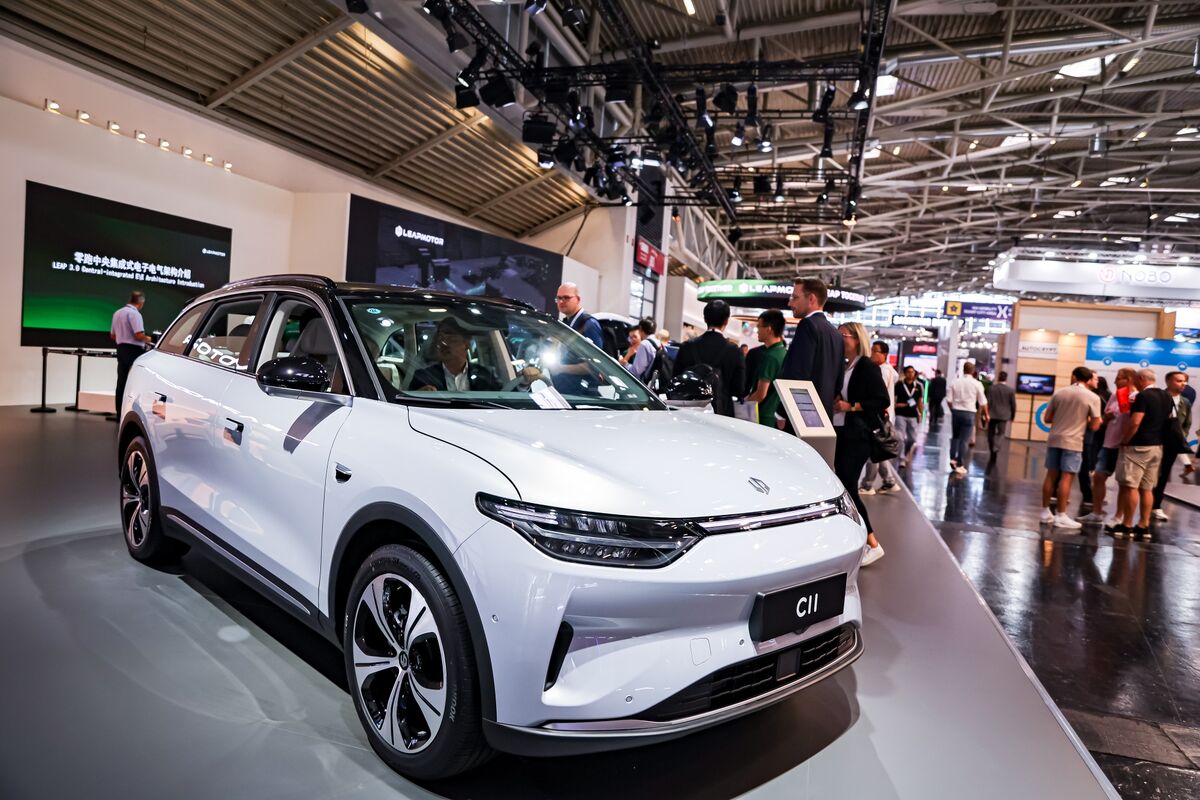
Electric cars Costa Rica are no longer a rarity on the streets of San José. What began as a novelty has quickly become a defining feature of the country’s transport landscape. From green license plates to sleek Chinese-made SUVs, electric mobility is reshaping how Costa Ricans drive.
Electric cars Costa Rica recorded the highest share of new vehicle sales in Latin America in 2024. According to BloombergNEF, electric vehicles accounted for 16 percent of all new car sales last year. Projections suggest that figure could rise to one in five vehicles in the near future.
Rapid Growth of Electric Cars Costa Rica
The growth of electric cars Costa Rica has been remarkable. Imports surged from just 611 units in 2020 to around 10,300 in 2025, according to the Electric Mobility Association. Government tax incentives introduced in 2018 played a major role in this shift, helping reduce costs and encourage adoption.
Green license plates, created to promote awareness, have become a common sight. However, electric vehicles still represent only about 2.5 percent of the country’s 1.2 million registered vehicles. This shows both strong progress and significant room for expansion.
Chinese Brands Power Electric Cars Costa Rica
Chinese manufacturers are central to the rise of electric cars Costa Rica. Brands such as BYD have gained a strong foothold in the market. In 2025 alone, BYD reportedly exported around 3,200 electric cars to Costa Rica, representing nearly a third of total EV imports.
Increased competition among manufacturers has pushed prices down. As a result, EVs are becoming more accessible to middle-income consumers. Word of mouth has further accelerated demand, with satisfied drivers influencing friends and family to make the switch.
Dealerships note that customer experience has become the strongest sales driver. Once hesitant buyers often change their views after trying electric mobility firsthand.
Charging Network and Infrastructure Challenges
Despite strong sales momentum, electric cars Costa Rica still face infrastructure limitations. The country has more than 300 charging stations, but fast-charging options remain limited. Many stations are concentrated in urban areas, leaving rural drivers concerned about long-distance travel.
Legal restrictions also prevent private companies from selling electricity directly. To work around this, businesses offer free charging as a way to attract customers. Currently, only 77 charging stations are fully public, while others are hosted by stores, banks, and restaurants.
Road infrastructure is another concern. Experts warn that while EV incentives reduce pollution, reduced fuel tax revenue could affect funding for road maintenance and public transport improvements.
Geopolitical Uncertainty and Market Stability
The rise of electric cars also intersects with global trade tensions. As the United States and China navigate trade disputes, concerns have emerged about possible tariffs on Chinese vehicles.
Industry leaders believe direct tariffs are unlikely, as the auto sector is not considered strategically sensitive compared to telecommunications or ports. Government officials emphasize that vehicle imports are selected based on safety and technical standards rather than geopolitical considerations.
Public Transport and Traffic Concerns
Costa Rica faces heavy traffic congestion, ranking among the worst globally in commuter delays. While electric cars reduce emissions, they do not directly solve congestion problems.
Government plans for an electric train in San José aim to complement private EV growth. Experts argue that expanding electric public transport will be essential for long-term sustainability.
Economic Opportunities in EV Recycling
The expansion of electric cars also creates new economic prospects. Fortech, a local company, claims to be Central America’s only lithium battery recycler. In 2025, its plant processed around 2,000 tonnes of batteries, including nearly 300 from EVs.
As neighboring countries adopt electric mobility, Costa Rica could benefit from its early investment in recycling infrastructure. This positions the country not only as a regional EV leader but also as a circular economy pioneer.
The Road Ahead for Electric Cars Costa Rica
Electric cars Costa Rica have moved beyond the early adoption phase and are entering a consolidation stage. Strong incentives, competitive pricing, and growing public awareness have fueled rapid expansion.
However, scaling up will require stronger charging infrastructure, improved public transport electrification, and balanced fiscal policies. If these challenges are addressed, Costa Rica could maintain its leadership as Latin America’s most dynamic electric vehicle market.